Skip to product information
1 of 3

Bio Shop

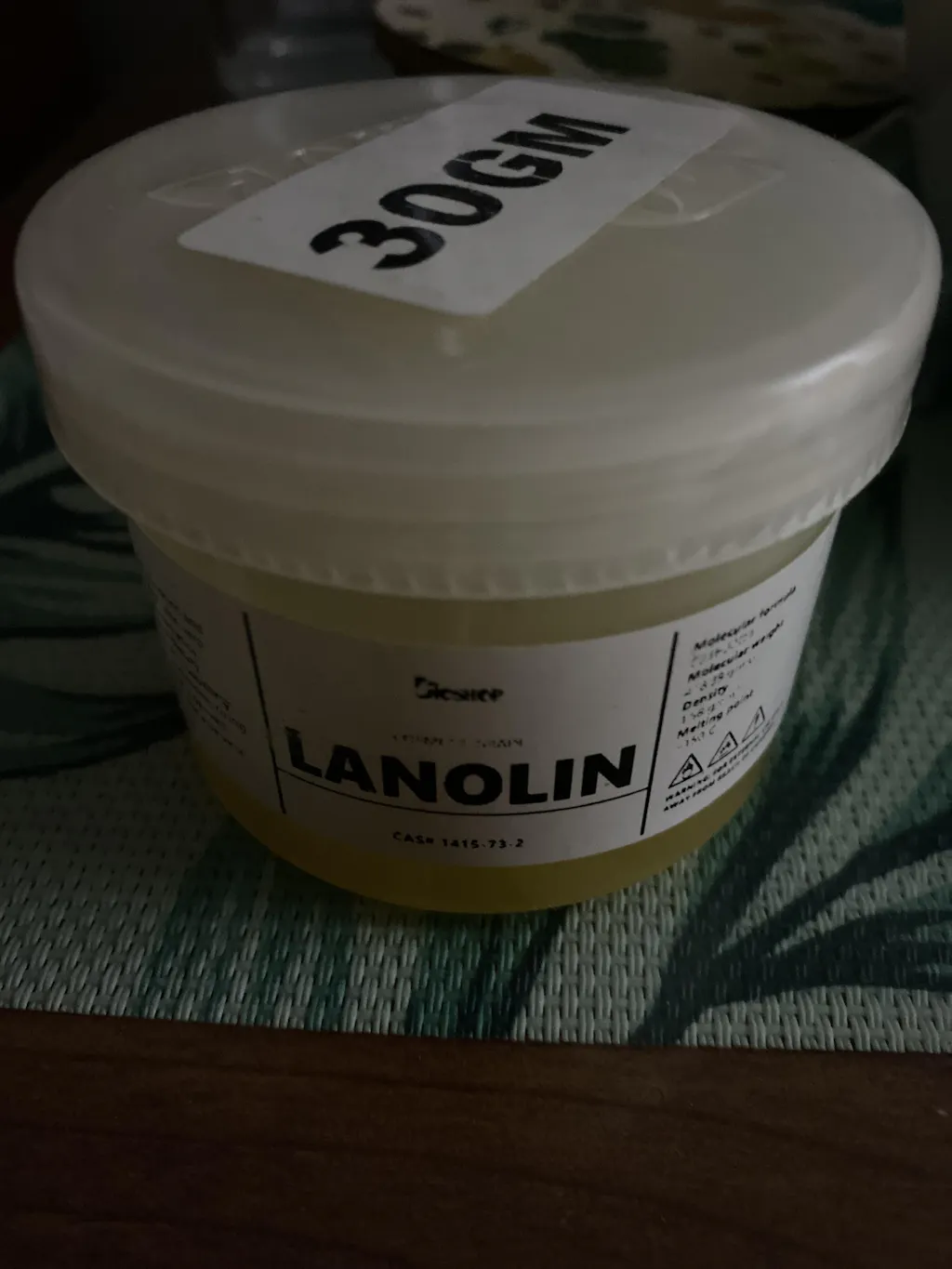
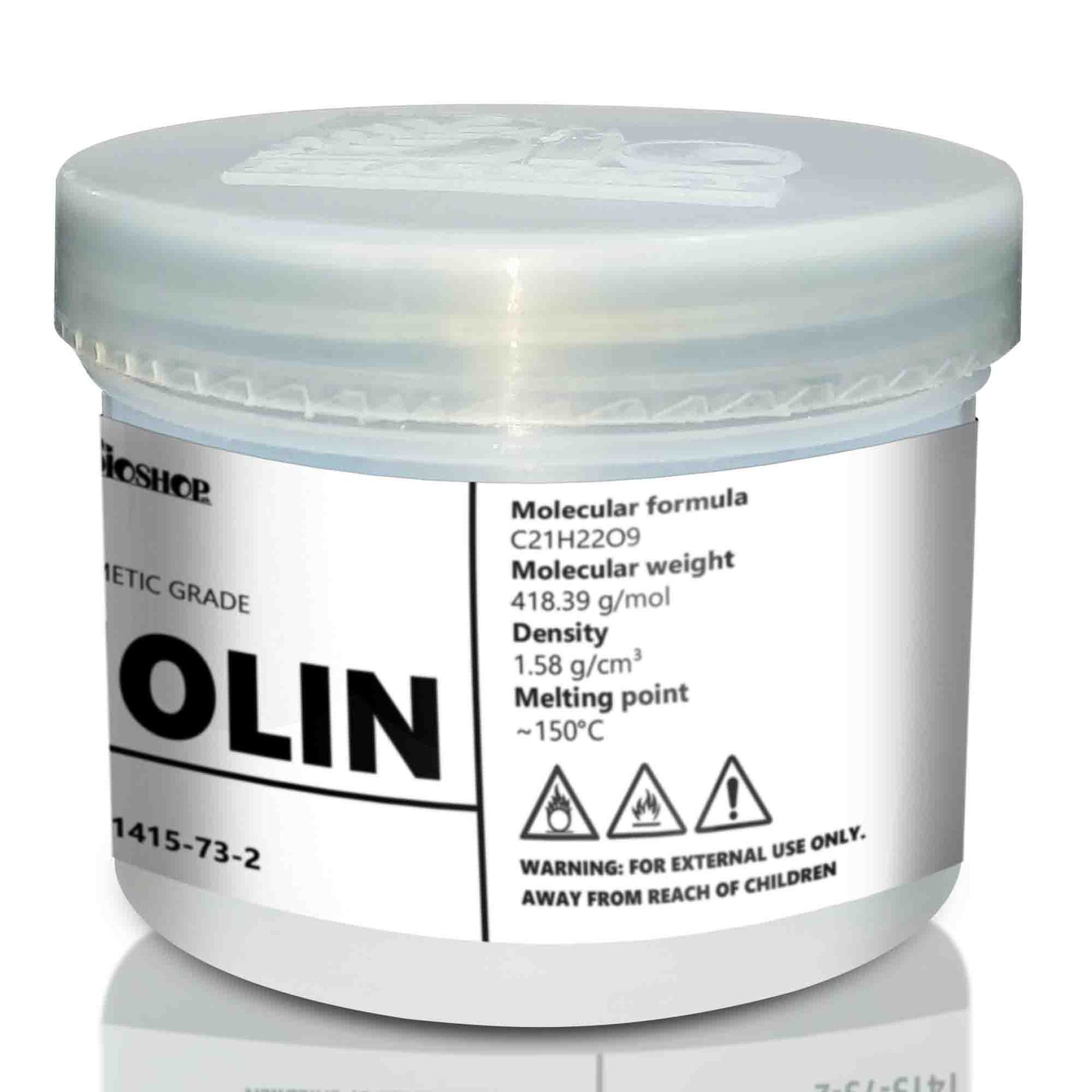
LANOLIN

LANOLIN

Regular price Rs.400.00
Regular price Sale price Rs.400.00
Sale Sold out
Shipping calculated at checkout.

Key Functions: Locks in moisture, repairs skin barrier, softens rough skin, and stabilizes emulsions.

Weight
Quantity
🚚 Estimated delivery time:
Learn More About This Ingredient View full details

Explore

Information About LANOLIN

✅ Key Features

✦ Absorbs up to 200% of its weight in water, providing unmatched deep and lasting hydration
✦ Forms a breathable occlusive barrier that prevents transepidermal water loss without clogging pores
✦ Closely mimics the natural lipid composition of human skin for superior compatibility and absorption
✦ Acts as a natural water-in-oil emulsifier, improving texture and stability of creams and balms
✦ Excellent for healing cracked, chapped, and extremely dry skin including lips, heels, and elbows
✦ Widely used in pharmaceutical-grade ointments, nipple creams, and protective barrier products
✦ Natural animal-derived ingredient — not vegan, but biodegradable and sustainably sourced from wool processing

🔬 Description

Lanolin is a waxy substance naturally secreted by the sebaceous glands of sheep to protect their wool from harsh weather. It has been harvested and used in skincare for thousands of years, with records of its medicinal application dating back to ancient Greece. In modern cosmetics, refined lanolin is a staple ingredient in ointments, creams, lip balms, and intensive repair products due to its remarkable affinity with human skin lipids.

What makes lanolin exceptional is its unique ability to absorb and retain water far beyond its own weight. This hygroscopic property creates a moisture reservoir on the skin surface that slowly releases hydration over hours, making it far more effective than simple occlusives like petroleum jelly. Additionally, lanolin contains a complex mixture of esters, fatty acids, and sterols that condition and soften skin while reinforcing the natural barrier function.

Bio Shop Pakistan supplies cosmetic-grade lanolin suitable for DIY skincare formulators, balm makers, soap crafters, pharmaceutical compounders, and professional cosmetic developers.

📊 Technical Data

INCI Name : Lanolin
Chemical Name : Wool Wax; Wool Fat; Adeps Lanae
CAS Number : 8006-54-0
Molecular Formula : Complex mixture (no single formula)
Appearance : Yellow to amber semi-solid waxy paste
Odor : Mild characteristic woolly odor
pH (1% solution) : Not Applicable (non-aqueous)
Solubility : Soluble in chloroform, ether, and warm oils; insoluble in water
Specific Gravity : 0.932 to 0.945 at 60°C
Flash Point : Approximately 220°C
HLB Value : Approximately 10 (functions as W/O emulsifier at lower HLB blends)
Recommended Use Level : 1% to 10% in most formulations; up to 30% in ointments and balms
Type : Natural animal-derived emollient and occlusive
Shelf Life : 24 months when stored properly in sealed containers

🧪 Recommended Usage

Skincare (Creams, Serums, Lotions) ★★★★★
Lanolin is outstanding in rich creams and lotions for dry and damaged skin, providing long-lasting hydration and barrier repair. Use at 3% to 8% in the oil phase of emulsions for a luxurious, protective skin feel.

Haircare (Shampoo, Conditioner, Masks) ★★★★☆
Excellent in deep conditioning masks and leave-in treatments for dry, brittle, or chemically treated hair. Use at 1% to 5% in conditioners and hair masks; avoid high levels in shampoos as it can feel heavy.

Soap Making (Cold Process, Melt and Pour) ★★★☆☆
Lanolin can be added to cold process soap at 1% to 3% of total oils for a more moisturizing bar, though it may reduce lather slightly. In melt and pour, add melted lanolin at trace levels for a conditioning effect.

Body Care (Scrubs, Butters, Balms) ★★★★★
This is where lanolin truly excels — thick balms, heel creams, cuticle treatments, and body butters benefit enormously from its occlusive moisture lock. Use at 5% to 30% depending on desired richness and protection level.

Pharmaceutical and Healing Products (Nipple Creams, Barrier Ointments, Wound Care) ★★★★★
Lanolin is the gold standard ingredient in nipple balms for nursing mothers and in protective ointments for cracked skin. Use ultra-refined grades at 15% to 100% concentration for maximum healing and barrier function.

💡 Pro Tip

In my formulation work, I consider lanolin one of the most underrated ingredients available. Many formulators avoid it because of its sticky texture in raw form, but when properly incorporated into an emulsion at the right percentage, it transforms into a silky, deeply nourishing skin feel that no synthetic emollient can replicate. The key is melting it thoroughly into your oil phase before emulsification and never adding it cold. I often pair it with lighter esters like isopropyl myristate to offset any tackiness while preserving its full moisture-binding power.

ADVANCED TIP: To create a superior overnight repair balm, blend lanolin at 20% with squalane at 15%, ceramide complex at 2%, and beeswax at 5%. Heat the oil phase to 70°C and stir lanolin until fully homogeneous before adding beeswax. This combination mimics the skin's natural lipid matrix and delivers dramatic overnight improvement on severely dehydrated or eczema-prone skin.

👩‍🔬 Skin Type Suitability

Normal Skin : ★★★★★ — Provides balanced hydration and barrier support without feeling heavy on healthy skin.
Dry Skin : ★★★★★ — Exceptional choice for dry skin due to its unmatched water-holding and occlusive properties.
Oily Skin : ★★☆☆☆ — Can feel too heavy and occlusive for oily skin types; use only at very low levels if at all.
Combination : ★★★☆☆ — Best applied only to dry zones; avoid the T-zone to prevent a greasy feel.
Sensitive Skin : ★★★☆☆ — Generally well tolerated, but lanolin alcohols can trigger contact dermatitis in sensitized individuals; patch test required.
Mature Skin : ★★★★★ — Ideal for mature skin as it intensely hydrates, softens fine lines, and reinforces the thinning lipid barrier.
Acne-Prone : ★★☆☆☆ — Moderately comedogenic; not recommended at high concentrations for acne-prone skin.

🧴 Formulation Ideas

CONCEPT 1: Intensive Overnight Barrier Repair Cream
Usage Level : 8%
Key Ingredients: Shea Butter, Squalane, Ceramide NP, Allantoin
Result : A rich, deeply hydrating night cream that repairs damaged skin barrier and visibly reduces flakiness by morning.

CONCEPT 2: Honey and Lanolin Lip Rescue Balm
Usage Level : 25%
Key Ingredients: Beeswax, Sweet Almond Oil, Honey Extract, Vitamin E
Result : A thick, protective lip balm that heals severely chapped lips and provides hours of comfortable moisture.

CONCEPT 3: Winter Shield Body Butter
Usage Level : 10%
Key Ingredients: Cocoa Butter, Coconut Oil, Jojoba Oil, Rosehip Seed Oil
Result : A luxurious whipped body butter designed for extreme cold weather protection, leaving skin soft and sealed against moisture loss.

💧 Safety and Regulatory:

INCI Declared : Yes — required in all cosmetic products
EU Cosmetics Reg : Permitted — no specific concentration restriction under EC 1223/2009; must meet purity standards
Rinse-Off Limit : No limit established
Leave-On Limit : No limit established
Allergen Alert : Yes — lanolin and lanolin alcohols are recognized contact allergens; estimated sensitization rate of 1% to 6% in dermatological patients
Skin Safety : Safe at recommended levels; patch test advised for first-time users and individuals with known wool allergy
Eye Area Use : Use with caution — refined grades are generally safe but may cause irritation in sensitive individuals
Ingestion : Not for internal use (cosmetic-grade)
Pregnancy Use : Safe for external use; ultra-refined lanolin is widely used in nipple creams during breastfeeding
Child Safety : Safe for children above 3 years at appropriate concentrations; use only ultra-refined medical grade for infant contact
Ventilation : Not required
Storage : Cool dry place away from direct sunlight; keep tightly sealed to prevent oxidation
Container : HDPE or glass jars preferred; avoid prolonged contact with reactive metals

⚠️ Lanolin is a known contact allergen listed in the European baseline patch test series. Individuals with a history of wool sensitivity or contact dermatitis should perform a 48-hour patch test before use. Always use refined cosmetic-grade or pharmaceutical-grade lanolin to minimize sensitization risk.

Stability and Compatibility

Working pH Range : Not pH-dependent (oil-phase ingredient); compatible across typical cosmetic pH 4 to 8
Heat Stability : Stable up to 100°C; melt at 38 to 44°C and incorporate into oil phase during heating
Freeze-Thaw Stable : Yes — returns to normal consistency after thawing with gentle warming
Emulsion Type : Primarily W/O; can function in O/W systems when combined with appropriate emulsifiers
Emulsification Phase: Hot phase — must be fully melted before combining with other phases
Compatible With : Fatty alcohols, vegetable butters, waxes, mineral oil, silicones
Incompatible With : Strong oxidizing agents; may separate in formulations with very high water content if not properly emulsified
Oxidation Risk : Medium — contains unsaturated components that can oxidize over time; add 0.05% to 0.1% tocopherol (Vitamin E) as antioxidant
Discoloration Risk : Possible — may darken slightly with prolonged heat exposure or oxidation; store away from light
Formulation Notes : Always melt lanolin completely into the oil phase at 65 to 75°C before emulsification. If using in anhydrous products, blend with a lighter carrier oil first to improve spreadability and reduce tackiness.

❓ FAQs

Q: What exactly is lanolin and where does it come from?
A: Lanolin is a natural waxy substance extracted from sheep wool during the cleaning process. It is not a fat but a complex wax composed of esters, fatty acids, and alcohols that sheep produce to waterproof and protect their fleece.

Q: Is lanolin comedogenic and will it cause breakouts?
A: Lanolin is considered moderately comedogenic with a rating of approximately 1 to 2 on the comedogenicity scale. At low concentrations in well-formulated products it is unlikely to cause breakouts for most people, but those with acne-prone skin should use it cautiously and at lower percentages.

Q: Can I use lanolin in hot process or cold process soap?
A: Yes, lanolin can be added to cold process soap at 1% to 3% of total oils. It creates a more moisturizing bar but may slightly reduce lather, so balance it with high-lather oils like coconut oil.

Q: How do I reduce the sticky feeling of lanolin in my formulations?
A: Blend lanolin with lightweight esters such as isopropyl myristate or caprylic capric triglyceride at a ratio of roughly 1 part lanolin to 2 parts light ester. This dramatically improves spreadability while retaining all the moisture-binding benefits.

Q: How does lanolin compare to petroleum jelly as a skin occlusive?
A: Both are effective occlusives, but lanolin is superior in moisture binding because it absorbs up to 200% of its weight in water, whereas petroleum jelly simply sits on the surface. Lanolin also delivers skin-conditioning sterols and fatty acids that petroleum jelly lacks, making it a more functional and nourishing barrier ingredient.

Where Can You Safely Use LANOLIN

Discover how LANOLIN performs across different products — rated for safety, stability, and effectiveness.

Skincare
Serums
4
Slight Issues
Creams & Lotions
9
Very Good
Eye Creams
7
Reasonable
Face Masks
7
Reasonable
Cleansers
4
Slight Issues
Toners
0
Not Recommended
Lip Balms
9
Very Good
Ointments
9
Very Good
Body & Hair Care
Body Butters
9
Very Good
Shampoos
3
Discoloration
Conditioners
7
Reasonable
Hair Masks
7
Reasonable
Soap & Specialty
Soaps
6
Fair
Deodorants
3
Discoloration