Bio Shop
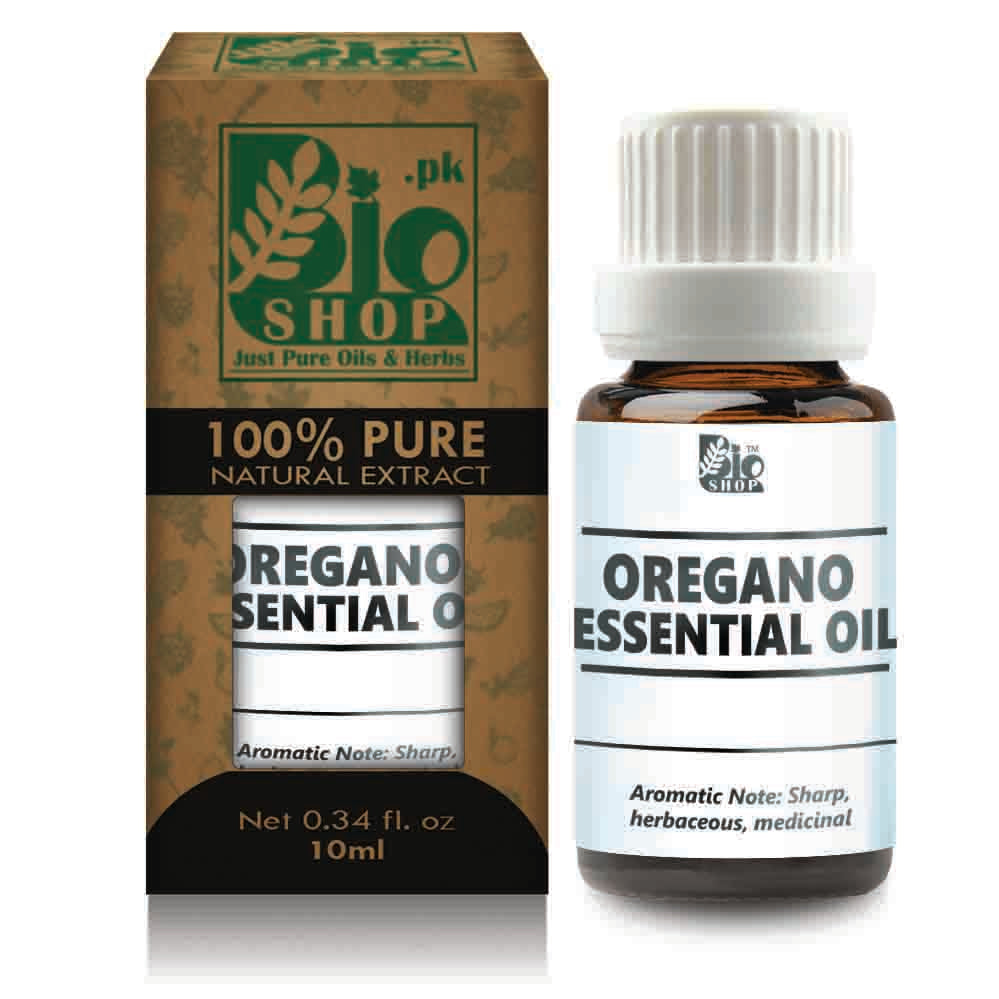
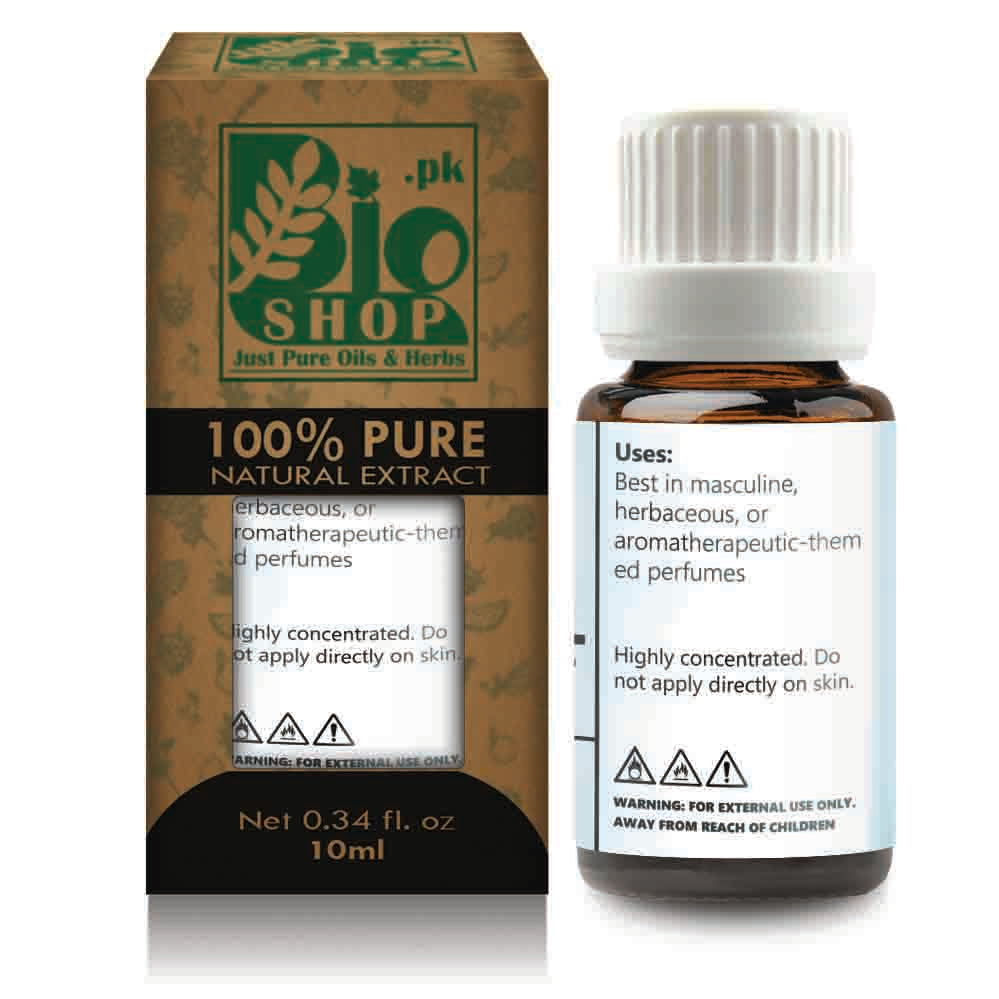
Oregano Essential Oil
Oregano Essential Oil
Olfactory Notes & Usage: Herbal · Spicy · Warm · Pungent · Aromatic · Slightly Medicinal
Couldn't load pickup availability
Explore
Information About Oregano Essential Oil
Key Features
✦ Steam-distilled from Origanum vulgare herb — 100% natural essential oil, undiluted and unadulterated
✦ High carvacrol content (60–80%) delivers a bold, warm, medicinal-spicy character with strong herbal backbone
✦ Excellent in masculine fougere, chypre, and outdoor-herb accords — adds naturalistic green depth
✦ Widely used in functional fragrance: antibacterial sprays, herbal room diffusers, and cleaning product scenting
✦ Active in aromatherapy applications — commonly used in diffusion for respiratory and wellness blends
✦ Natural, vegan, and cruelty-free — no animal-derived ingredients or animal testing
✦ Requires careful dilution in leave-on cosmetics due to skin sensitization potential at higher use levels
About Oregano Essential Oil
Oregano essential oil is extracted by steam distillation from the aerial parts and flowering tops of Origanum vulgare, a perennial herb native to the Mediterranean basin and cultivated across Europe, Turkey, and North Africa. The use of oregano in therapeutic and culinary contexts stretches back over two thousand years, with references found in ancient Greek and Roman texts. The essential oil was historically applied in herbal medicine for respiratory complaints, digestive support, and topical disinfection, and its aromatic signature — simultaneously green, spicy, and medicinal — reflects that deep functional heritage.
What sets oregano essential oil apart from other herbaceous oils is its exceptionally high concentration of carvacrol, a phenolic compound that gives the oil its pungent, warm, and almost antiseptic edge. This same compound is responsible for oregano oil's documented biological activity and its assertive, distinctive odour profile. Unlike softer herbal oils such as lavender or marjoram, oregano commands attention in a blend and must be used with purpose. Its tenacity in functional and home care fragrance applications is superior to most herbs, making it a reliable workhorse in natural cleaning and wellness product lines.
Bio Shop Pakistan supplies cosmetic-grade oregano essential oil suitable for aromatherapy blenders, natural fragrance formulators, soap makers, candle crafters, herbal product developers, and home care product manufacturers seeking authentic, high-carvacrol oregano oil.
Olfactory Profile
SCENT DESCRIPTION : Oregano essential oil opens with a sharp, penetrating green-herbal surge that immediately evokes freshly crushed Mediterranean herb. The heart is warm, spicy, and distinctly medicinal — driven by carvacrol's phenolic depth — with a dry, slightly woody-earthy undertone that gives the oil lasting presence. There is an almost antiseptic cleanliness to its character that makes it smell simultaneously rustic and functional. At low usage levels, it softens into a rich, warm herbal texture that bridges the gap between kitchen herbs and apothecary botanicals.
NOTE POSITION : Top-Mid
FRAGRANCE FAMILY : Herbaceous · Spicy · Medicinal
FACETS : Green-herbal · Warm-spicy · Phenolic · Medicinal · Earthy-dry
TENACITY : High — active in a blend for 6 to 10 hours; longer in functional and non-alcohol applications
SILLAGE : Medium to High — projects confidently at standard usage levels; diffuses broadly in room and home care applications
Technical Specifications
Chemical Name : Origanum vulgare Herb Oil
CAS Number : 84012-24-8 (verify with supplier CoA; 8007-11-2 also referenced in trade)
Synonyms : Oil of Oregano · Wild Marjoram Oil · Origanum Oil · Thyme of the Gods Oil
Purity : 100% pure, steam-distilled (verify with supplier CoA)
Appearance : Yellow to dark brownish-yellow mobile liquid
Odor Threshold : Very low — detectable at trace concentrations; carvacrol threshold approx. 0.5–2 ppm
Solubility : Insoluble in water; soluble in alcohol, carrier oils, and most fragrance solvents
Specific Gravity : 0.930 – 0.970 at 20°C (verify with supplier CoA)
Flash Point : Approx. 46–55°C (verify with supplier CoA)
Dominant Compounds : Carvacrol (60–80%), Thymol, p-Cymene, γ-Terpinene, β-Caryophyllene, Linalool
Type : Natural — steam-distilled essential oil
Applications & Usage Guidelines
AROMATHERAPY & WELLNESS : ★★★★★
Oregano essential oil is one of the most recognised oils in therapeutic aromatherapy. It is diffused for respiratory support, immune wellness routines, and mood-clearing air treatments. Blend with eucalyptus, tea tree, and thyme for a powerful clean-air diffuser formula. Always dilute for topical wellness applications.
FUNCTIONAL FRAGRANCE : ★★★★★
This is where oregano oil performs at its strongest commercial potential. It anchors herbal cleaning product fragrances, antibacterial room sprays, and natural disinfectant formulations with an unmistakable herbal-clean signature. Its carvacrol content reinforces the sensory perception of cleanliness and naturalness.
FINE FRAGRANCE : ★★★☆☆
Oregano is a niche material in perfumery — used as a supporting herbal accent in masculine fougeres, aromatic greens, and Mediterranean herb compositions. It is rarely a featured note but contributes to natural complexity when used at 0.5–2% alongside lavender, cedarwood, and clary sage. Requires a skilled hand to prevent it from dominating the blend.
HOME FRAGRANCE : ★★★★☆
Performs well in reed diffusers, wax melts, and room spray formulations. Its bold herbal projection makes it effective at low concentrations in home care products. Pairs well with lemon, rosemary, and pine for a natural, Mediterranean-inspired room fragrance. Stable in most wax and diffuser bases.
SOAP & RINSE-OFF PRODUCTS : ★★★☆☆
Oregano essential oil is used in herbal and natural soap formulations where it delivers a functional, medicinal-herbal scent. Due to its sensitization potential, usage levels must stay within IFRA-recommended limits. Suitable at safe concentrations in cold-process, hot-process, and melt-and-pour soaps targeted at the natural wellness segment.
IFRA & Usage Rate
RECOMMENDED USAGE RATES
EDP / Parfum : 0.5 – 2.0%
EDT : 0.3 – 1.5%
Body Lotion / Cream : 0.1 – 0.3% (stay within IFRA limits)
Shampoo / Body Wash : 0.2 – 0.5%
Cold-Process Soap : 0.5 – 1.5%
Candle (Soy/Paraffin) : 2.0 – 5.0%
Reed Diffuser : 5.0 – 15.0%
Room Spray : 1.0 – 3.0%
Cleaning Products : 0.5 – 2.0%
IFRA 51ST AMENDMENT LIMITS (Origanum vulgare Herb Oil)
⚠️ Oregano essential oil is a regulated material under IFRA guidelines due to carvacrol and thymol sensitization potential. Limits vary by application category.
Category 4 (Body lotion, unrinse-off skin) : 0.24% maximum
Category 5A (Face lotion, unrinse-off) : 0.12% maximum
Category 5B (Hand cream, unrinse-off) : 0.24% maximum
Category 5C (Body cream, unrinse-off) : 0.24% maximum
Category 7A (Rinse-off hair products) : 0.64% maximum
Category 9 (Rinse-off body, soap, shower gel) : 2.4% maximum
Category 10A (Household cleaning) : 2.4% maximum
Category 11A (Candles, non-skin contact) : Not restricted under IFRA
⚠️ Always verify current IFRA limits at ifrafragrance.org before finalising any formulation. IFRA limits are based on total fragrance weight in the finished product.
⚠️ Do not exceed recommended limits in leave-on cosmetics. Oregano oil is a known skin sensitizer at elevated concentrations.
Blending Guide
METHOD 1 — DIRECT DILUTION IN CARRIER OIL
For aromatherapy and topical wellness applications, dilute oregano essential oil in a fixed carrier oil such as fractionated coconut oil, sweet almond oil, or jojoba oil at 1–3% concentration. Never apply undiluted to skin. This method is used for massage blends, chest rubs, and topical herbal applications. Ensure the blend is patch-tested before use.
METHOD 2 — FRAGRANCE BLENDING IN ALCOHOL
In fine fragrance and cologne work, dissolve oregano essential oil in perfumers alcohol (IPP or ethanol) alongside your accord. Start at 0.5–1% as a supporting note — not as a featured element — and allow 48 hours of maceration before evaluating. It integrates best in aromatic-herbaceous masculine accords and Mediterranean chypres.
METHOD 3 — FUNCTIONAL FRAGRANCE IN CLEANING PRODUCTS
Add oregano essential oil to water-based cleaning sprays, antibacterial wipes, and household detergent fragrances at 0.5–2%. Its strong olfactory profile requires less material to deliver impact. Solubilise in a surfactant base or polysorbate-80 before adding to water-based formulations to avoid separation.
BEST PAIRINGS
Lavender → Softens oregano's sharpness; creates a classic Provençal herb accord
Rosemary → Reinforces the Mediterranean herbal profile; adds dry-green complexity
Cedarwood (Atlas) → Grounds the sharpness with warm wood; excellent for masculine cologne work
Clary Sage → Adds earthy, slightly sweet counterpoint; deepens herbal texture
Thyme → Synergistic herbal-phenolic combination; powerful in functional fragrance
Lemon / Bergamot → Brightens the opening; lifts the heaviness of carvacrol
Eucalyptus → Medicinal-clean pairing; ideal for wellness diffuser and cleaning product blends
Black Pepper → Adds spice and vivacity; useful in aromatic fougere accord work
Patchouli → Earthy-dark grounding; extends longevity in oriental-herb compositions
AVOID
Avoid combining oregano essential oil with delicate floral notes such as rose, jasmine, or ylang-ylang at anything above trace levels. Its phenolic weight will overpower and distort soft florals. Also avoid use in baby or children's cosmetic products.
Perfumer's Note
Oregano is not an ingredient you audition — it is one you commit to with intention. When I reach for it in a composition, I know I am building something that wants to feel grounded, real, and slightly unpolished in the best sense. In commercial perfumery, oregano is used sparingly as a herbal verité note in fougeres and aromatic aquatics where it adds a whisper of the sun-baked countryside. But in natural and functional product development, it genuinely earns its place — it is one of the few essential oils where the scent and the function tell the same story. The moment you smell it in a cleaning product or a wellness blend, you believe it is doing something. That is rare, and it is worth understanding.
ADVANCED TIP
To use oregano oil in a fine fragrance without it reading as medicinal or culinary, try pre-blending it with an equal weight of labdanum absolute and twice its weight of cedarwood atlas before incorporating it into your accord. The labdanum anchors and animalises the phenolic sharpness, while the cedarwood diffuses and dries it out, transforming oregano from a kitchen herb into a warm, resinous-herbaceous depth note. This pre-blend can be used at 3–5% of the total fragrance concentrate in a woody aromatic masculine composition.
Safety & Storage
Physical State : Mobile liquid at room temperature
Skin Safety : Dilute before any skin contact; known sensitizer at high concentrations; maximum dilution per IFRA guidelines in leave-on products
Eye Contact : Avoid all contact; rinse immediately with water if contact occurs; seek medical advice if irritation persists
Ingestion : Not for consumption; keep away from children; if ingested seek immediate medical attention
Ventilation : Use in well-ventilated areas; avoid prolonged inhalation of concentrated vapour; diffuse in short sessions
Storage : Store in a cool, dark place away from heat and direct sunlight; keep tightly sealed
Shelf Life : 12 to 24 months from date of manufacture if stored correctly; carvacrol-rich oils are relatively stable but can oxidise over time
Container : Amber or dark glass bottle preferred; avoid PET plastic for long-term storage
Flammability : Combustible liquid; flash point approx. 46–55°C; keep away from open flame and heat sources
FAQ
Q: Can I apply oregano essential oil directly to skin without diluting?
A: No. Oregano essential oil must always be diluted in a carrier oil before skin contact. It contains carvacrol, a potent phenolic compound that can cause irritation, redness, or sensitization when applied neat. A safe topical dilution is 1–3% in a suitable carrier oil.
Q: What is the difference between oregano essential oil and oregano oil capsules sold in health stores?
A: Health store oregano oil capsules are dietary supplements — they are diluted food-grade oregano oil in a carrier oil, intended for internal use under medical guidance. The essential oil supplied by Bio Shop Pakistan is a cosmetic-grade aromatic material for external use in fragrance, aromatherapy, and personal care formulations only. Do not ingest.
Q: Is oregano essential oil stable in candles and wax melts?
A: Yes. Oregano essential oil performs well in soy, paraffin, and coconut wax. Its carvacrol content is thermally stable at typical candle pour temperatures. Use at 3–6% of the wax weight for good scent throw. Flash point should always be verified against your wax pour temperature before use.
Q: Can I use oregano essential oil in soap making?
A: Yes, at safe usage levels. In cold-process soap, use up to 1–1.5% of the total oil weight. Note that oregano oil can accelerate trace in some soap formulations due to its phenolic content, so work quickly after adding it to your batter. It delivers a natural, herbal-medicinal scent in finished soap.
Q: How does oregano essential oil compare to thyme essential oil in perfumery and formulation?
A: Both oils are phenolic and herbaceous, but thyme is generally sharper, greener, and more astringent, while oregano is warmer, drier, and more rounded. Oregano reads as more Mediterranean and rustic; thyme reads as more clinical and culinary. In functional fragrance, both are interchangeable with minor profile adjustment, but in fine fragrance, oregano integrates more naturally into woody-aromatic accords, while thyme suits aquatic and herbal compositions.
Where Can You Safely Use Oregano Essential Oil?
Discover how Oregano Essential Oil performs across different applications—rated for safety, stability, and effectiveness.