Bio Shop
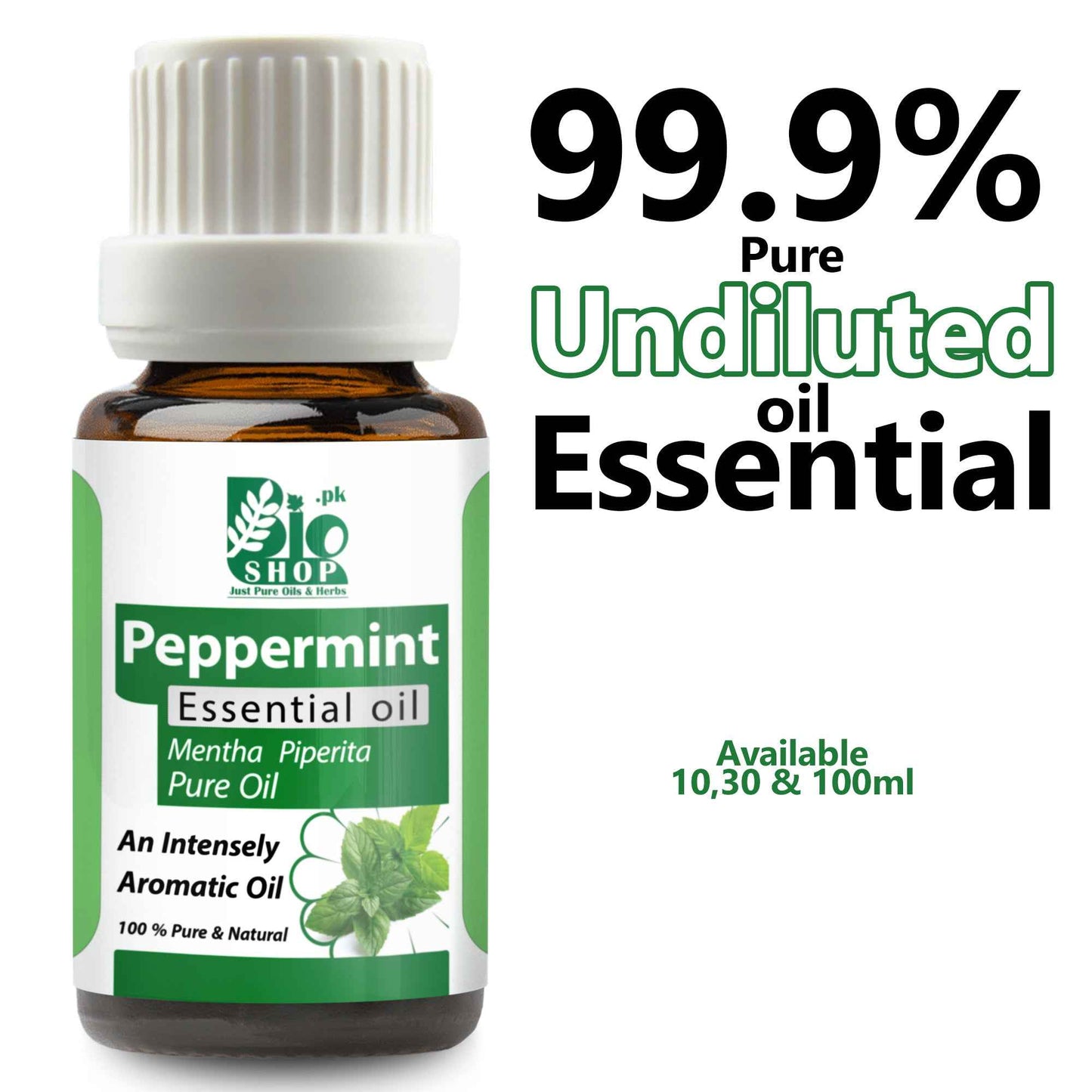
Peppermint Essential Oil
Peppermint Essential Oil
Olfactory Notes & Usage: Minty · Cool · Fresh · Herbal · Sharp · Slightly Sweet
Couldn't load pickup availability


Explore
Information About Peppermint Essential Oil
Key Features
✦ 100% pure steam-distilled essential oil from Mentha piperita flowering tops
✦ Intensely cooling and refreshing minty aroma driven by high natural menthol content
✦ Versatile top note used in fine fragrance, personal care, and home fragrance applications
✦ Delivers genuine tingling and cooling sensation in leave-on and rinse-off skin products
✦ Natural and vegan — no animal-derived ingredients, no synthetic substitutes
✦ Widely used in shampoos, deodorants, toothpastes, soaps, and diffuser blends globally
✦ Powerful odor diffusion — highly effective even at low usage rates in functional formulations
About Peppermint Essential Oil
Peppermint (Mentha piperita) is a naturally occurring hybrid of watermint and spearmint, believed to have originated in Europe and now cultivated across the world with major production regions in India, the United States, and China. The essential oil is obtained through steam distillation of the fresh or partly dried aerial flowering parts of the plant. Its use in medicine, food, and fragrance stretches back thousands of years across ancient Egyptian, Greek, and Roman civilizations, making it one of the oldest documented aromatic botanicals in human history. The modern essential oil industry recognizes it as a cornerstone commodity — consistently among the highest-volume essential oils traded globally.
What sets peppermint essential oil apart is the extraordinary richness and complexity of its natural chemistry. The oil is dominated by L-menthol, which typically constitutes 35 to 55 percent of the composition, responsible for both its characteristic minty aroma and its famous cooling effect on skin and mucous membranes. Complementing the menthol is menthone, which adds a slightly herbaceous and camphorous depth, along with menthyl acetate for a mild fruity sweetness, 1,8-cineole for a eucalyptus-like freshness, and trace amounts of limonene, pulegone, and menthofuran that round out the profile. This complex interplay of natural molecules is virtually impossible to replicate synthetically with the same naturalness and multi-dimensional sensory impact.
Bio Shop Pakistan supplies cosmetic-grade Peppermint Essential Oil suitable for DIY perfumers building fresh aromatic compositions, beauty formulators developing scalp treatments and cooling body care, soap and candle makers seeking a powerful and crowd-pleasing natural scent, and home care crafters formulating room sprays, diffuser blends, and cleaning products.
Olfactory Profile
SCENT DESCRIPTION : Peppermint Essential Oil opens with a blast of icy-sharp mintiness — piercing, clean, and bracing with a cooling sensation that seems to drop the temperature of the air itself. The heart reveals a slightly herbaceous, green, and camphorous underbody that gives it depth beyond simple sweetness. A faint floral-sweet facet from menthyl acetate softens the sharpness without losing its signature intensity. The dry-down is clean, slightly medicinal, and refreshingly dry — leaving a crisp, cool impression that lingers without heaviness.
NOTE POSITION : Top Note (very fast-opening with some mid-body tenacity)
FRAGRANCE FAMILY : Fresh · Herbal · Aromatic
FACETS : Minty · Cooling · Camphorous · Green-Herbaceous · Clean
TENACITY : Medium — strong initial blast, heart presence of 2 to 4 hours in fragrance applications
SILLAGE : High — projects powerfully in the opening; especially penetrating in functional and home fragrance contexts
Technical Specifications
CHEMICAL NAME : Mentha piperita herb oil
CAS NUMBER : 8006-90-4
SYNONYMS : Peppermint Oil, Oil of Peppermint, Mentha piperita essential oil, Corn Mint alternative (note: distinct from Mentha arvensis)
PURITY : 100% pure essential oil (undiluted, unadulterated)
APPEARANCE : Colorless to pale yellow mobile liquid
ODOR THRESHOLD : Approximately 0.02 ppm (extremely potent — perceivable at very low concentrations)
SOLUBILITY : Soluble in alcohol and fixed oils; practically insoluble in water
SPECIFIC GRAVITY : 0.896 – 0.908 at 20°C (verify with supplier CoA)
FLASH POINT : Approximately 65°C (verify with supplier CoA)
TYPE : Natural — 100% steam-distilled botanical essential oil
Applications & Usage Guidelines
FINE FRAGRANCE : ★★★★★
Peppermint essential oil is a powerful top note in fresh, aquatic, aromatic fougère, and chypre compositions. It pairs exceptionally well with lavender, citrus, eucalyptus, and woody bases for clean masculine and unisex fragrances. Its naturalness adds genuine complexity that synthetic menthol-based replacements rarely achieve. Usage rates are typically low — 0.5 to 2% in an EDP is often sufficient to register strongly.
ATTAR & ORIENTAL BLENDING : ★★★★☆
In oriental and attar-style compositions, peppermint adds a cooling herbal top note that contrasts beautifully with warm resins, ouds, and sandalwood bases. Traditional Indian and Middle Eastern attars occasionally feature herbal mint notes as lift and brightness. Peppermint pairs surprisingly well with rose, geranium, and cardamom in such contexts, creating a cool-warm interplay that is distinctly South Asian in character.
FUNCTIONAL FRAGRANCE : ★★★★★
Peppermint essential oil is a functional fragrance powerhouse — its cooling, refreshing, and stimulating character is purpose-designed for deodorants, shampoos, body washes, toothpastes, cooling creams, foot care products, and muscle rubs. Beyond pure scent, consumers associate peppermint with cleanliness, freshness, and efficacy, making it a commercially high-value ingredient in personal care formulations across all market segments.
COSMETICS & SKINCARE : ★★★★☆
In skincare applications peppermint essential oil is used for its toning, refreshing, and mildly stimulating properties, particularly in scalp serums, foot creams, cooling gels, and cleansers. It must be used at skin-safe levels — sensitization and irritation are possible at higher concentrations, and it is generally avoided in sensitive skin formulations and products for infants. IFRA limits and dermatologist guidance should be consulted for leave-on products.
HOME FRAGRANCE : ★★★★★
Peppermint oil is outstanding in reed diffusers, room sprays, candles, and potpourri where its sharp projection fills spaces quickly and effectively. Its natural origin is a strong selling point in the growing clean home fragrance category. The cooling, medicinal-fresh profile is popular in minimalist, wellness, and spa-inspired home fragrance collections globally, including the Pakistani home care and gift market.
IFRA & Usage Rate
RECOMMENDED USAGE RATES
EDP (Eau de Parfum) : 0.5 – 2.0%
EDT (Eau de Toilette) : 0.5 – 3.0%
Body Lotion / Cream : 0.2 – 1.0% (patch test recommended)
Shampoo / Body Wash : 0.5 – 2.0%
Bar Soap (cold process) : 1.0 – 3.0%
Candle (soy/paraffin) : 5.0 – 10.0% (dependent on wax type)
Reed Diffuser : 10.0 – 25.0%
Room Spray : 3.0 – 8.0%
IFRA 51ST AMENDMENT LIMITS (Mentha piperita oil)
⚠️ Peppermint oil is subject to IFRA restrictions due to its pulegone content and sensitization potential. Key limits from the IFRA 51st Amendment:
IFRA Category 1 (Lip products) : 0.14% — maximum
IFRA Category 2 (Deodorant, body spray) : 0.19% — maximum
IFRA Category 4 (Body lotion, moisturizer) : 2.6% — maximum
IFRA Category 5a (Face cream, moisturizer) : 0.35% — maximum
IFRA Category 7a (Rinse-off hair products) : 1.2% — maximum
IFRA Category 9 (Rinse-off body — soap, shower) : 1.2% — maximum
IFRA Category 10a (Fabric softener) : 0.75% — maximum
IFRA Category 11a (Reed diffuser, air freshener) : No restriction specified
⚠️ Always verify current limits at ifrafragrance.org before formulating for commercial sale. IFRA limits for essential oils can be updated as new safety data becomes available.
⚠️ Not recommended for use in products for children under 3 years of age. Avoid application near the face and nose of infants and young children due to potential respiratory sensitization.
Blending Guide
METHOD 1 — DIRECT ADDITION TO FRAGRANCE BASE
Add peppermint essential oil directly to your fragrance base in alcohol or carrier oil. Due to its high volatility and penetrating strength, start at 0.5% and scale up incrementally. In perfumery, even 1% can dominate lighter accords — measure carefully and evaluate over 24 to 48 hours as the sharper top notes settle.
METHOD 2 — PRE-BLEND WITH A CARRIER BEFORE SKINCARE USE
For topical skincare, body wash, or shampoo applications, pre-dilute peppermint essential oil in a small amount of carrier oil or a non-ionic emulsifier before incorporation. This prevents uneven distribution, reduces localized irritation risk, and ensures homogeneous dispersion throughout the formula.
METHOD 3 — COMBINING WITH COMPLEMENTARY NATURALS FOR ATTAR WORK
In attar and traditional blending, peppermint works best when introduced into a diluted base — typically a light sandalwood or fractionated coconut oil carrier — alongside floral or resinous materials. Build the base and heart first, then introduce peppermint as a top-note brightener at the end of the blending session to preserve its volatility.
BEST PAIRINGS
Lavender EO → Classic aromatherapy and fougère accord; calming yet refreshing
Eucalyptus EO → Intensifies cooling and medicinal freshness for spa and wellness products
Spearmint EO → Sweetens and softens the mint character; less aggressive than peppermint alone
Lemon EO → Bright citrus-mint combination ideal for household cleaners and fresh colognes
Rosemary EO → Herbal-aromatic depth; excellent for stimulating hair care and masculine colognes
Bergamot EO → Adds floral-citrus elegance; lifts the mint into fine fragrance territory
Cedarwood EO → Woody grounding note that anchors peppermint's volatility in longer-lasting blends
Clary Sage EO → Adds complexity; creates a distinctive herbal-cool accord with unisex appeal
Cardamom EO → Spicy warmth contrasting the coolness for oriental-inspired attar compositions
AVOID
✦ Avoid combining at high concentrations with other highly menthol-rich materials (e.g., corn mint oil) unless intentionally building an extreme mint accord — the combined effect can overwhelm the composition and cause sensitization in skin-contact formulas
✦ Avoid high levels in leave-on products near mucous membranes and avoid entirely in infant-facing formulations
Perfumer's Note
Among the materials I return to most reliably, peppermint essential oil occupies a unique position — it is at once the most obvious and the most underestimated ingredient on the palette. Beginners reach for it as a mint note. Serious formulators use it as a precision tool for mood and energy. A single percentage point of this oil in a lavender-citrus base transforms a pleasant blend into something that feels alive and purposeful — the kind of freshness that reads as confidence in a deodorant, clarity in a shampoo, and vitality in an eau de toilette. What I find endlessly interesting is how peppermint's natural menthol creates not just an olfactory event but a tactile one — it is one of the rare ingredients in our toolkit where skin and nose respond simultaneously.
ADVANCED TIP : Try using peppermint essential oil at a sub-threshold level — between 0.1 and 0.3% in a complex floral or oriental accord — not as a mint note, but as an invisible freshener. At this level it will not register as peppermint to most evaluators, but it will introduce an airy, clean lift to the entire composition that prevents heavier musks and resins from reading as stuffy or dated. I call this technique "ghost-minting" — the mint is present everywhere and nowhere, and it is one of the most effective tricks for modernizing a classic oriental base.
Safety & Storage
PHYSICAL STATE : Clear mobile liquid at room temperature
SKIN SAFETY : Use within recommended IFRA limits; dilute before skin application; can cause irritation and sensitization at high concentrations; patch test recommended for leave-on products
EYE CONTACT : Avoid contact; flush immediately with clean running water for 15 minutes if contact occurs; seek medical advice if irritation persists
INGESTION : Not for consumption; essential oils are not food-safe in cosmetic-grade supply; keep out of reach of children
VENTILATION : Use in well-ventilated workspace; high vapor concentration can cause eye and respiratory irritation during handling
STORAGE : Store in a tightly sealed dark glass bottle, away from heat, light, and humidity; do not store in plastic
SHELF LIFE : 3 to 5 years when stored properly; menthol-rich oils are relatively stable but can oxidize over time — discard if aroma profile changes significantly
CONTAINER : Dark amber or cobalt glass preferred; keep away from plastics that may be permeated by terpene-rich oils
FLAMMABILITY : Combustible liquid; flash point approximately 65°C; keep away from open flame and ignition sources
FAQ
Q: Can I apply peppermint essential oil directly to my skin?
A: No — always dilute before skin contact. For most leave-on applications a maximum of 0.5 to 1% in a suitable carrier is a safe starting point. Higher concentrations can cause irritation, redness, or sensitization, especially on sensitive skin.
Q: What is the difference between peppermint essential oil and corn mint oil?
A: Both are mint oils but from different plants. Corn mint (Mentha arvensis) is typically higher in menthol content and is used more industrially and for menthol isolation. Peppermint (Mentha piperita) has a more rounded, complex, and refined aroma with menthyl acetate contributing a slight sweetness — it is the preferred choice for fine fragrance and premium personal care.
Q: Can I use peppermint essential oil in candles?
A: Yes, it works well in candles at 5 to 10% depending on your wax system. However its lower flash point relative to some synthetic fragrance oils means it should be incorporated carefully once the wax has cooled to an appropriate pour temperature. Always test burn behavior before production.
Q: Is peppermint essential oil safe for use in hair care products?
A: Yes and it is a popular choice for shampoos and scalp serums due to its stimulating and cooling properties. Keep usage within the IFRA Category 7 limit of 1.2% for rinse-off hair products. Avoid concentrations that may cause scalp irritation and do not formulate leave-on scalp products above IFRA Category 5b limits without allergen safety review.
Q: How does peppermint essential oil compare to natural menthol crystals in formulation?
A: Peppermint essential oil delivers the full natural complexity of the Mentha piperita plant — including menthol, menthone, menthyl acetate, cineole, and trace aromatics — creating a rounder, more multidimensional mint character. Natural menthol crystals are isolated L-menthol only, providing a purer, more concentrated cooling effect but with less olfactory nuance. Peppermint essential oil is preferred for fragrance applications; menthol crystals are preferred where a clinical, functional cooling effect is the primary goal.
Where Can You Safely Use Peppermint Essential Oil?
Discover how Peppermint Essential Oil performs across different applications—rated for safety, stability, and effectiveness.
First experience ....very good packing , very nice product, delivery so smooth . overall 5 star from my side . Thank you Bioshop
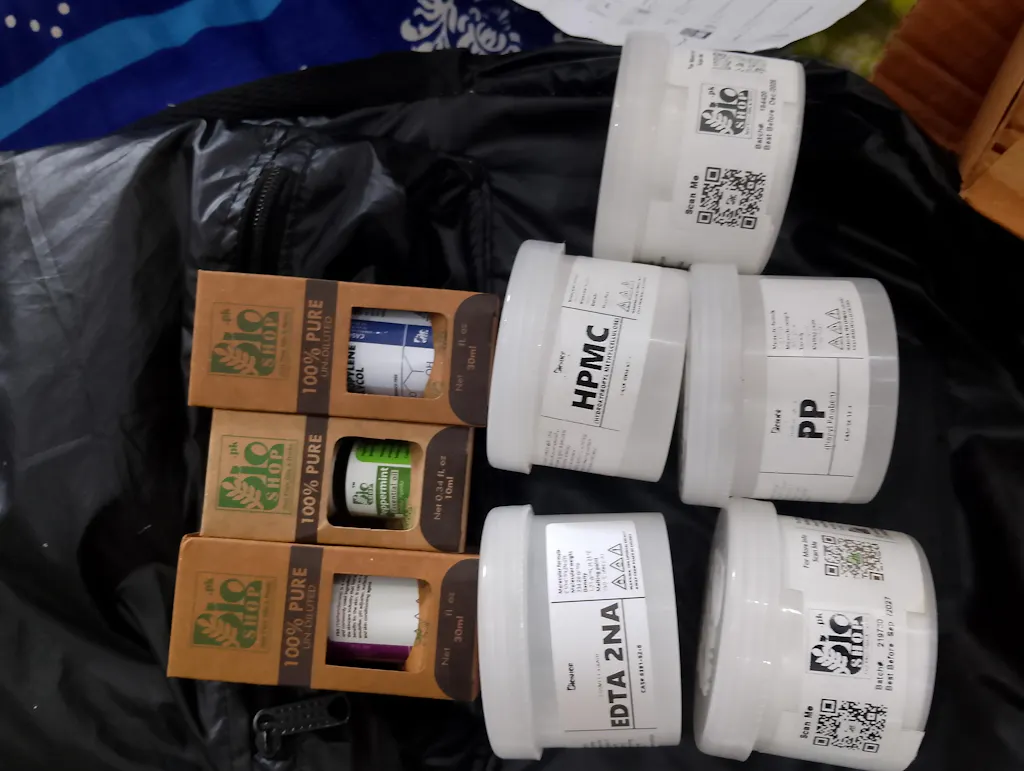
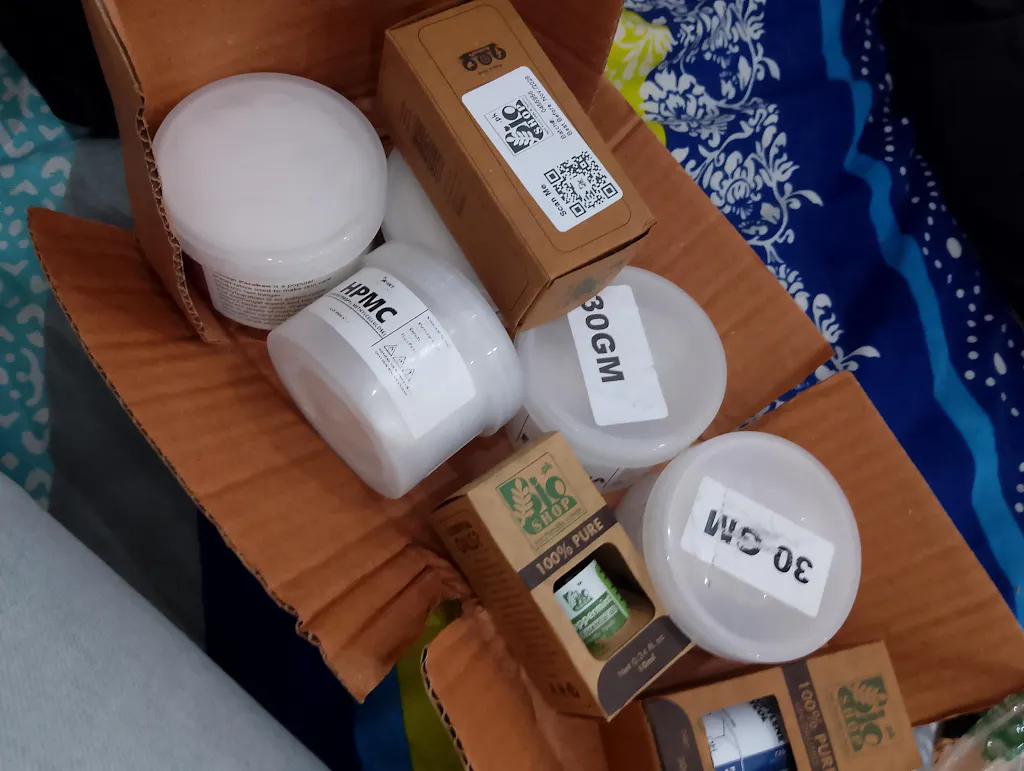
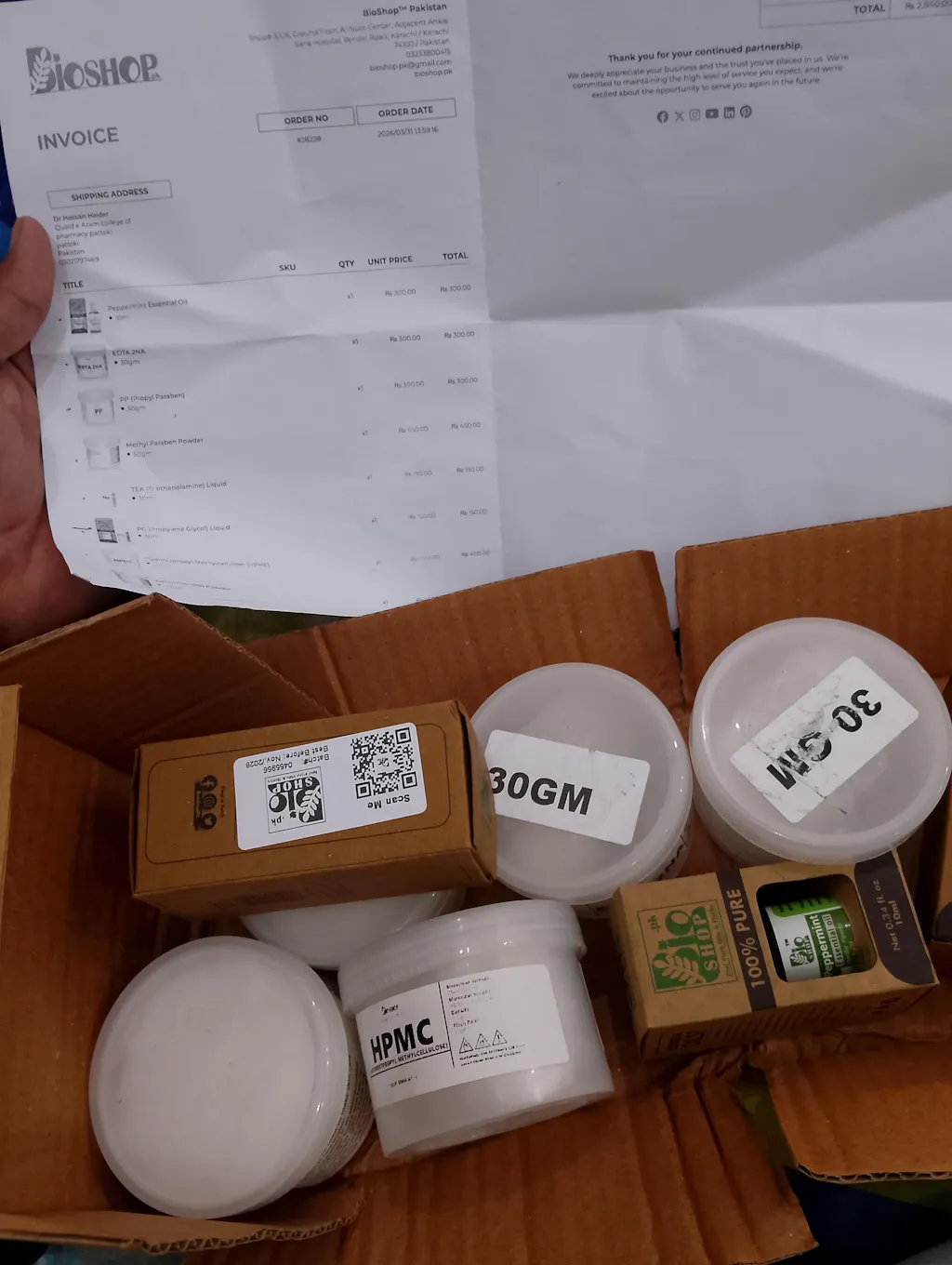
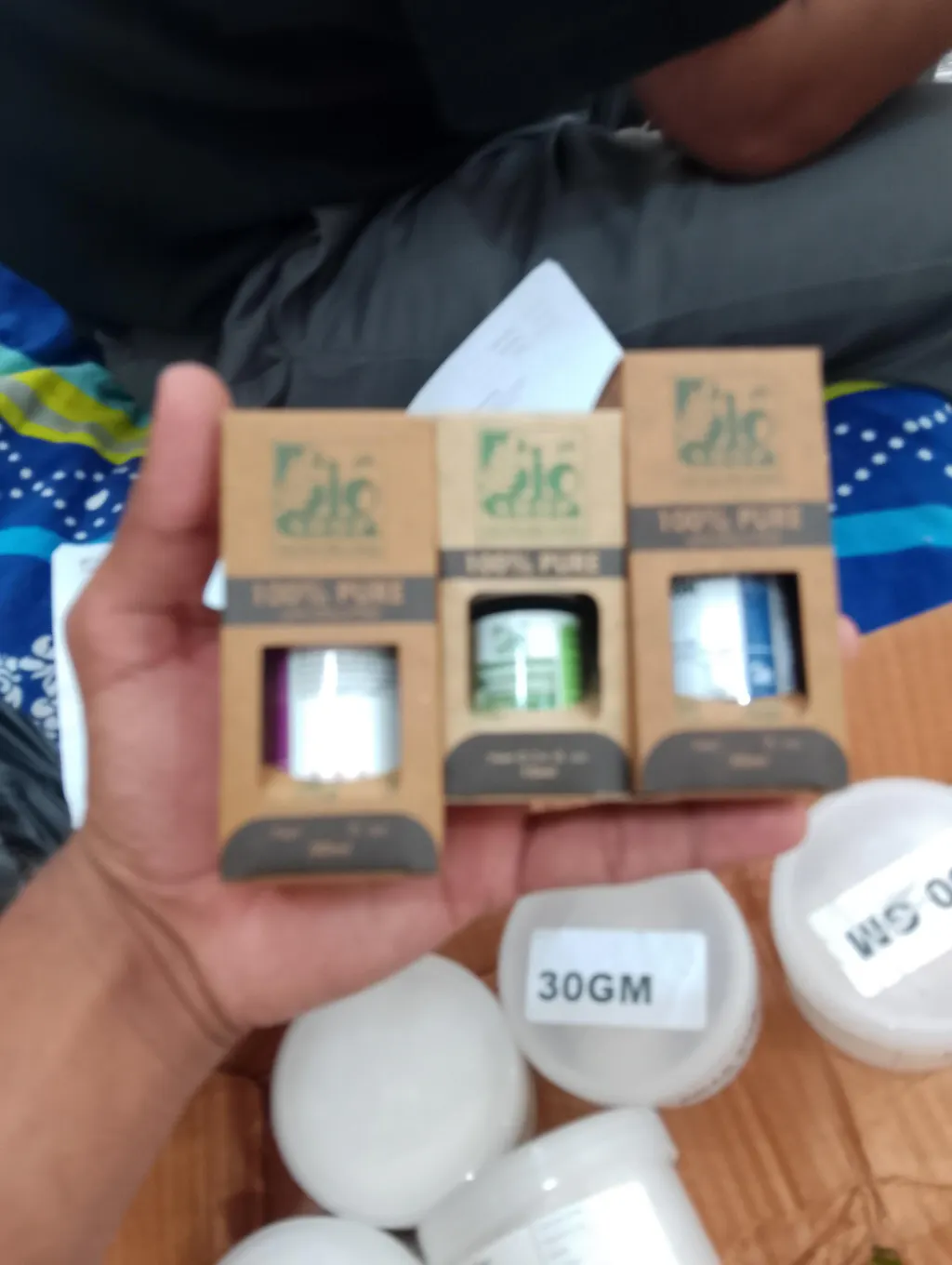
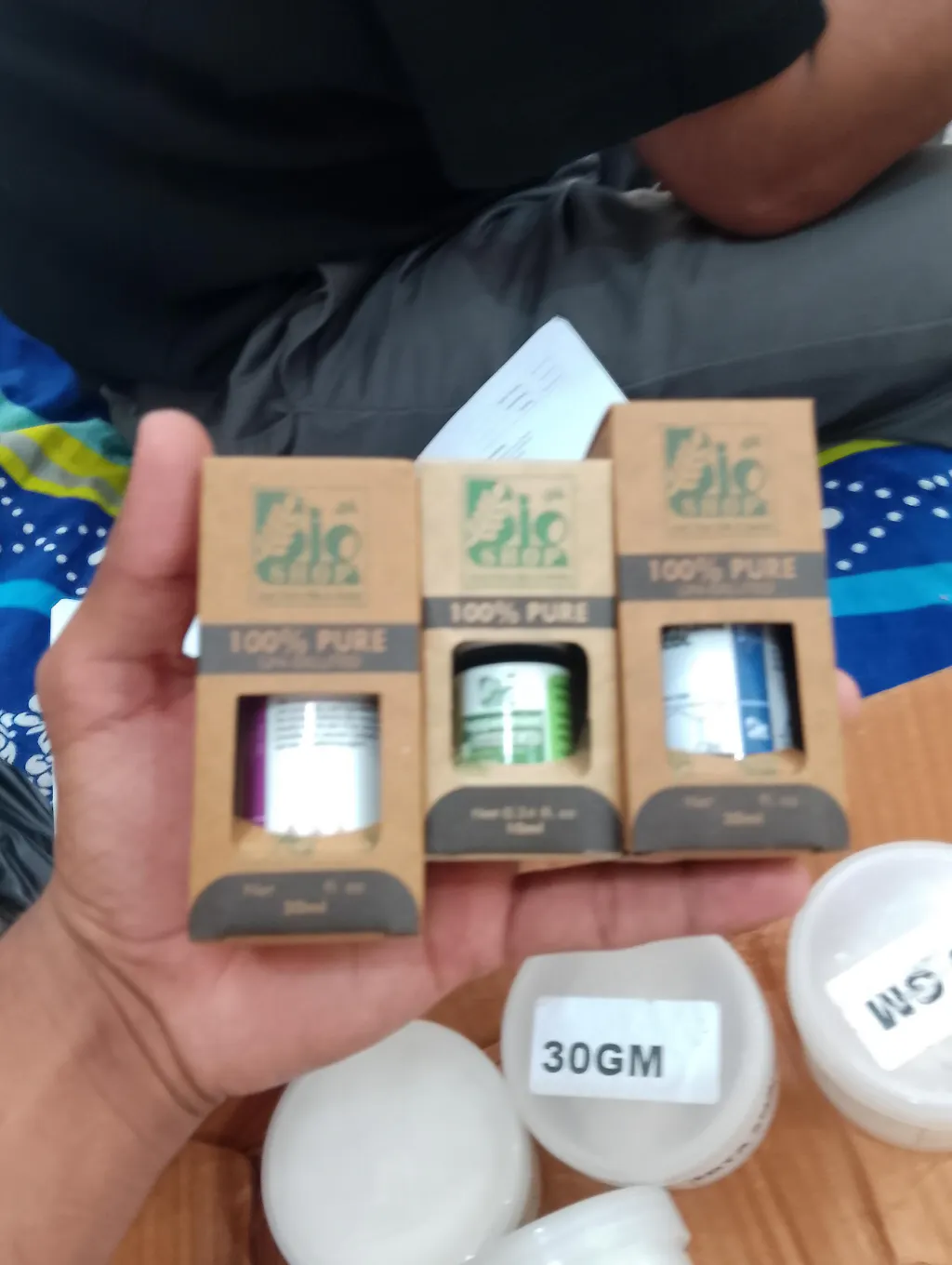
Pehli baar Bio Shop se order kiya. Packaging acha tha sealed aur secure. Oil ki smell ekdum authentic sharp menthol-minty hai - pata chalta hai genuine hai. Price bhi fair hai. Ab aur oils bhi order karne ka plan hai.
Yeh kuch ajeeb lagta hai but sardiyon mein bhi peppermint acha lagta hai. Pehle cooling phir warming sensation aata hai. Chai mein ek drop - ekdum mint chai jaisi ho jaati hai. Oil pure aur authentic hai. 5 stars without doubt.
Ghar mein peppermint oil ka ek bada bottle rehta hai hamesha. Sir dard naak band insect repellent foot soak cleaning - sab mein kaam aati hai. Bio Shop ki quality consistent hai. Kai months se isi se le rahe hain. Value for money.
Shukriya Mariam! Peppermint truly is one of the most versatile oils in any home kit. Happy to be your family's go-to supplier!
Bathroom aur kitchen ke liye best natural room freshener. Pani mein 5-6 drops daal ke spray karo. Synthetic sprays se kahin better aur healthy. Oil potent hai - zyada mat dalein warna bohot intense ho jata hai.