Bio Shop
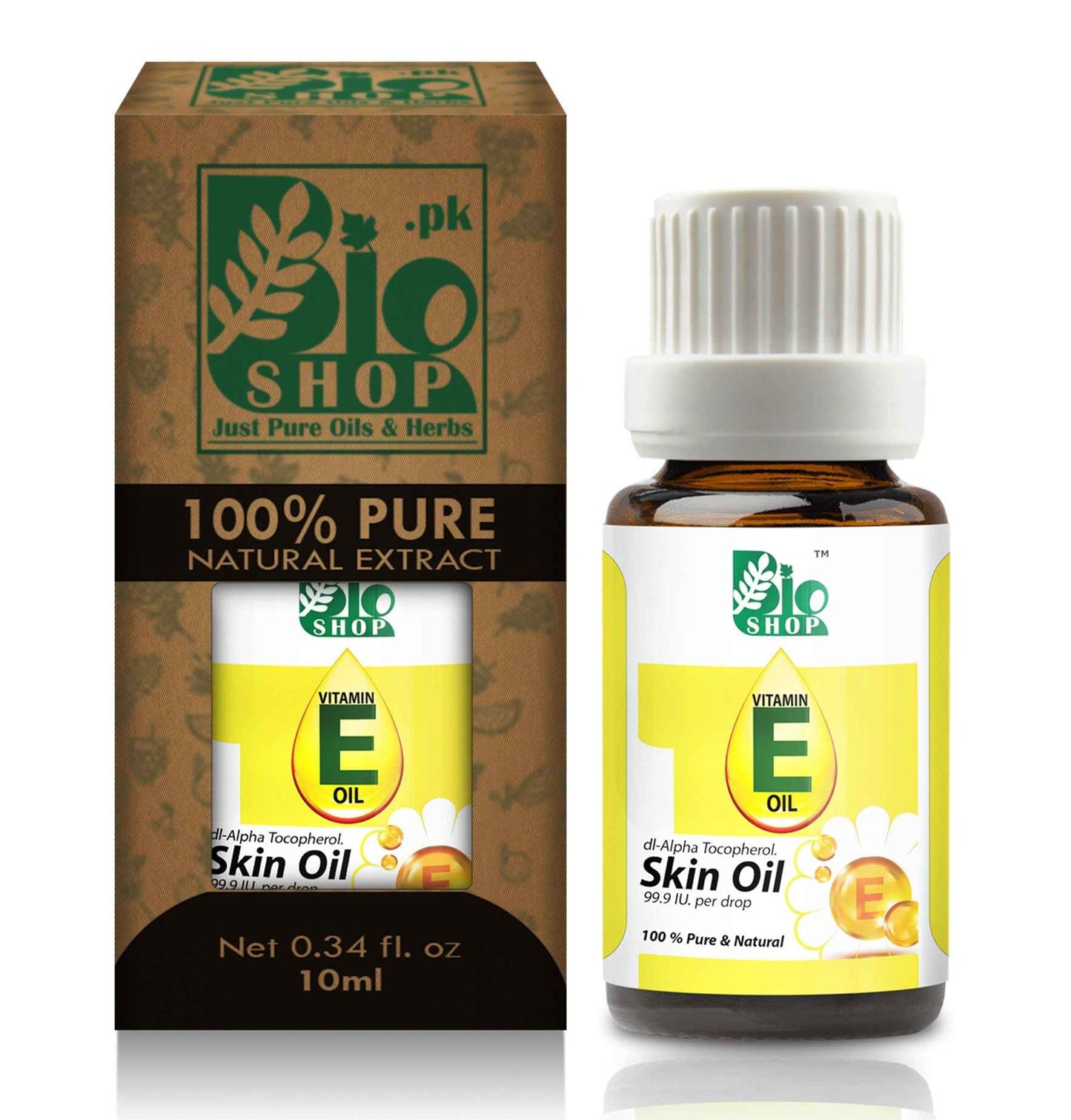
Vitamin E Oil
Vitamin E Oil
Key Functions: A powerful antioxidant that protects, heals, and deeply nourishes skin.
Couldn't load pickup availability
Explore
Information About Vitamin E Oil
✅ Key Features
✦ Potent fat-soluble antioxidant that neutralizes free radicals and protects skin from oxidative stress
✦ Extends the shelf life of oils, butters, and oil-phase cosmetic formulations by retarding rancidity
✦ Deeply conditions and softens skin while supporting natural moisture retention
✦ Promotes skin barrier repair and assists in healing dry, cracked, or environmentally damaged skin
✦ Suitable for use across skincare, haircare, lip care, body care, and anti-aging formulations
✦ Derived from natural vegetable oil sources — vegan-compatible and plant-based
✦ Effective at very low usage levels (0.1–1%) making it highly economical per formulation
🔬 Description
Vitamin E Oil, identified by the INCI name Tocopherol, is a naturally occurring fat-soluble vitamin and antioxidant extracted from vegetable oils including sunflower, soybean, corn, and wheat germ oil. It has been used in cosmetic formulations for over five decades and remains one of the most studied and trusted ingredients in professional skincare. The most biologically active natural form is d-alpha-Tocopherol, though mixed tocopherols containing beta, gamma, and delta fractions are also widely used in cosmetics for their combined antioxidant profile.
What makes Tocopherol exceptional in formulation is its dual function — it works simultaneously as an active skin benefit ingredient and as a functional preservative for the formulation itself. By donating hydrogen atoms to free radical species, it interrupts lipid peroxidation chains in both the skin's lipid barrier and the oil phase of the formula. This makes it one of the few ingredients that protects the product and the consumer at the same time. When used alongside Vitamin C (ascorbic acid) or Ferulic Acid, its antioxidant potency increases significantly due to synergistic regeneration.
Bio Shop Pakistan supplies cosmetic-grade Vitamin E Oil (Tocopherol) suitable for DIY skincare formulators, professional cosmetic manufacturers, soap makers, hair care brands, and home beauty crafters.
📊 Technical Data
INCI Name : Tocopherol
Chemical Name : (2R)-2,5,7,8-Tetramethyl-2-[(4R,8R)-4,8,16-trimethylheptadecyl]-3,4-dihydro-2H-chromen-6-ol
CAS Number : 59-02-9 (d-alpha-Tocopherol); 1406-18-4 (mixed tocopherols)
Molecular Formula : C29H50O2
Appearance : Clear to pale yellow viscous oily liquid
Odor : Mild, faintly characteristic — nearly odorless
pH (1% solution) : Not Applicable — oil-soluble ingredient
Solubility : Freely soluble in oils, fats, and ethanol; insoluble in water
Specific Gravity : 0.947 – 0.958 at 20°C
Flash Point : >150°C
HLB Value : Not Applicable
Recommended Use Level : 0.1–1% as antioxidant; 0.5–5% as skin conditioning active
Type : Natural antioxidant, skin conditioning agent, free radical scavenger
Shelf Life : 24 months from date of manufacture when stored correctly
🧪 Recommended Usage
Skincare (Creams, Serums, Lotions) ★★★★★
Tocopherol is a foundational ingredient in anti-aging creams, facial serums, eye creams, and barrier repair formulations. Add it directly to the oil phase at 0.5–2% for skin conditioning, or at 0.1–0.5% to protect formulation stability.
Haircare (Shampoo, Conditioner, Masks) ★★★★☆
Vitamin E improves scalp health, reduces oxidative damage to hair proteins, and adds shine and softness in conditioning formulations. Use at 0.5–1% in hair oils, masks, and leave-in conditioners for best results.
Soap Making (Cold Process, Melt and Pour) ★★★☆☆
Tocopherol helps delay dreaded orange spots (rancidity) in soap by protecting unsaturated oils in the recipe. Add at 0.1–0.5% of total oil weight — higher levels can accelerate trace in cold process soap.
Body Care (Scrubs, Butters, Balms) ★★★★★
Body butters, lip balms, and healing salves benefit greatly from Tocopherol both as a skin repair active and as a natural antioxidant preservative for rich oil-based bases. Use at 0.5–1% for dual function benefit.
Lip Care and Ointments ★★★★★
Tocopherol is particularly well suited for lip balms, healing ointments, and cuticle treatments where its emollient and antioxidant properties deliver visible results. Pair with castor oil and beeswax for a classic protective lip formula.
💡 Pro Tip
When I formulate with Tocopherol, I never treat it as an afterthought. Most beginners add it as a last-minute preservative, but professionals understand that placement and pairing matter enormously. I always add Tocopherol during the cool-down phase of heated formulas — below 40°C ideally — to preserve its antioxidant activity, since prolonged heat exposure can degrade its potency. In oil-heavy formulas containing polyunsaturated fatty acids like rosehip, sea buckthorn, or hemp seed oil, I increase the Tocopherol inclusion to 0.5–1% specifically to protect those vulnerable oils from going rancid. Pairing it with Rosemary Antioxidant (ROE) creates a broad-spectrum protection system that is far more effective than either ingredient used alone.
ADVANCED TIP: To build a synergistic antioxidant system that mimics pharmaceutical-grade skin protection, combine Tocopherol at 1% with L-Ascorbic Acid (Vitamin C) at 10–15% and Ferulic Acid at 0.5% in a water-free or low-water serum base at pH 2.5–3.5. This trio — known in formulation science as the C+E+Ferulic combination — has been documented to increase photoprotection and antioxidant efficacy by four to eight times compared to Vitamin E alone. Stabilize the formula in an opaque, airless pump to prevent premature oxidation.
👩🔬 Skin Type Suitability
Normal Skin : ★★★★★ — Enhances natural radiance and provides excellent antioxidant protection without disrupting balanced skin.
Dry Skin : ★★★★★ — Exceptional for dry skin due to its emollient, barrier-supporting, and moisture-locking properties.
Oily Skin : ★★★☆☆ — Can feel heavy in high concentrations; effective at low levels (0.1–0.5%) in lightweight, water-based formulas.
Combination : ★★★★☆ — Works well in balanced formulations; keep concentrations moderate and pair with lighter carriers for T-zone areas.
Sensitive Skin : ★★★★☆ — Generally well-tolerated; rare cases of contact sensitivity exist, so patch testing is advised for reactive skin.
Mature Skin : ★★★★★ — Highly beneficial for mature skin due to its ability to reduce oxidative damage, support collagen protection, and improve skin texture.
Acne-Prone : ★★★☆☆ — High concentrations may be comedogenic for acne-prone types; use at 0.1–0.5% in non-comedogenic bases only.
🧴 Formulation Ideas
CONCEPT 1: Vitamin C + E Brightening Serum
Usage Level : 1%
Key Ingredients: L-Ascorbic Acid (15%), Ferulic Acid (0.5%), Niacinamide (5%), Hyaluronic Acid
Result : A high-potency brightening and antioxidant serum that targets hyperpigmentation, protects against environmental damage, and delivers lasting skin radiance.
CONCEPT 2: Intensive Overnight Repair Face Oil
Usage Level : 2%
Key Ingredients: Rosehip Seed Oil (40%), Sea Buckthorn CO2 Extract (1%), Bakuchiol (1%), Squalane
Result : A luxurious overnight facial oil that repairs oxidative damage, fades uneven tone, and visibly restores skin firmness and softness by morning.
CONCEPT 3: Healing Lip Balm with SPF Boost
Usage Level : 1%
Key Ingredients: Castor Oil (30%), Beeswax (20%), Candelilla Wax, Zinc Oxide (10%)
Result : A protective, conditioning lip balm with natural UV-deflecting properties that heals dry and chapped lips while providing daily environmental defense.
💧 Safety and Regulatory:
INCI Declared : Yes — must be declared on all finished cosmetic products
EU Cosmetics Reg : Permitted — Tocopherol is listed as an approved antioxidant and skin conditioning agent; no concentration restriction for leave-on cosmetics at standard use levels
Rinse-Off Limit : No limit established at recommended cosmetic use levels
Leave-On Limit : No limit established at recommended cosmetic use levels
Allergen Alert : Rare — isolated cases of contact dermatitis reported; not a recognized EU fragrance allergen
Skin Safety : Safe at recommended levels; patch test advised for sensitive individuals at higher concentrations
Eye Area Use : Use with caution — avoid direct contact with eyes; suitable in eye creams at low concentrations
Ingestion : Not for internal use in cosmetic preparations
Pregnancy Use : Generally considered safe in cosmetic topical use; consult physician for high-dose applications
Child Safety : Safe for topical use in children's products at standard concentrations; avoid eye contact
Ventilation : Not required under normal cosmetic formulation conditions
Storage : Store in a cool, dark place away from heat and direct light; refrigeration extends potency
Container : Dark glass (amber), HDPE, or PET — avoid prolonged exposure to reactive metals and open air
⚠️ Tocopherol is susceptible to oxidation when exposed to air, light, and elevated temperatures. Store in tightly sealed, opaque containers. At very high concentrations (above 5%), some individuals may experience contact sensitization. Always recommend patch testing on finished products. In cold process soap, excessive amounts can accelerate trace and cause separation — keep within 0.5% of total oil weight.
Stability and Compatibility
Working pH Range : Not Applicable — oil-soluble; pH does not directly affect Tocopherol activity
Heat Stability : Moderate — stable up to 80°C for short periods; best added below 40°C to preserve full antioxidant potency
Freeze-Thaw Stable : Yes — viscosity may increase at low temperatures but returns to normal upon warming
Emulsion Type : O/W and W/O — incorporated into oil phase in both emulsion types
Emulsification Phase: Add to oil phase; for cold-process emulsions, mix directly with carrier oils
Compatible With : Carrier oils and vegetable butters, wax-based formulations, fat-soluble vitamins (A, D, K), Ferulic Acid, Rosemary Antioxidant (ROE)
Incompatible With : Strong oxidizing agents, ferrous and reactive metal ions (iron, copper accelerate oxidation), very high heat for extended periods
Oxidation Risk : Medium — Tocopherol itself is an antioxidant but can oxidize once sacrificially depleted; combine with ROE or BHT for synergistic protection in long-shelf-life products
Discoloration Risk : Possible — natural Tocopherol may impart a pale yellow to amber tint in formulas at higher concentrations; this is normal and does not indicate instability
Formulation Notes : Always incorporate into the oil phase before emulsification. In anhydrous formulations containing polyunsaturated oils, use at the higher end of the recommended range to ensure adequate protection against rancidity throughout shelf life.
❓ FAQs
Q: What is the difference between Tocopherol and Tocopheryl Acetate?
A: Tocopherol is the free, active form of Vitamin E and provides immediate antioxidant activity in formulations. Tocopheryl Acetate is an esterified, stabilized version that is more shelf-stable but must be converted by the skin to become active. For antioxidant preservation of formulas, Tocopherol is the preferred choice.
Q: How much Vitamin E Oil should I add to my face cream?
A: For antioxidant preservation of the formula, use 0.1–0.5%. For active skin conditioning and repair benefits, use 0.5–2%. Adding more than 2% in leave-on face products is generally unnecessary and may feel greasy or cause sensitivity in some users.
Q: Can I add Vitamin E Oil to my cold process soap?
A: Yes, but keep it at 0.1–0.5% of total oil weight. Its primary role in soap is to protect unstable oils like hemp or rosehip from going rancid. Exceeding 0.5% can accelerate trace and complicate your pour, so measure carefully.
Q: Will Vitamin E Oil alone preserve my product against microbial contamination?
A: No. Tocopherol is an antioxidant preservative that prevents rancidity and oxidation — it does not protect against bacteria, mold, or yeast. You still need a broad-spectrum antimicrobial preservative system in any water-containing formula.
Q: How does natural Tocopherol compare to Rosemary Antioxidant (ROE) for preserving oils?
A: Both protect oils from oxidative rancidity, but they work through different mechanisms and are strongest when combined. Tocopherol is a chain-breaking antioxidant that neutralizes free radicals directly, while Rosemary Antioxidant contains carnosic acid and carnosol that chelate pro-oxidant metals. Using both at 0.1–0.5% each provides significantly better protection than either ingredient alone.
Where Can You Safely Use Vitamin E Oil
Discover how Vitamin E Oil performs across different products — rated for safety, stability, and effectiveness.
Nice
"Yes,my opinion is, your almond oil and vitamin E oil are good-quality products."
Quality kabhi nahi badli. Pure concentrated effective. Bio Shop reliable supplier. 5 stars hamesha.
Versatile ingredient hai. Scars nails hair skin sab pe kaam karta hai. Bio Shop best.
Raat ko cuticles aur edon pe vitamin E oil lagayi. Subah dono soft. Simple daily routine se badi improvement. Kharidat bhi aur baar baar. Bio Shop quality consistent aur price reasonable. Highly recommend for dry skin concerns.