Bio Shop
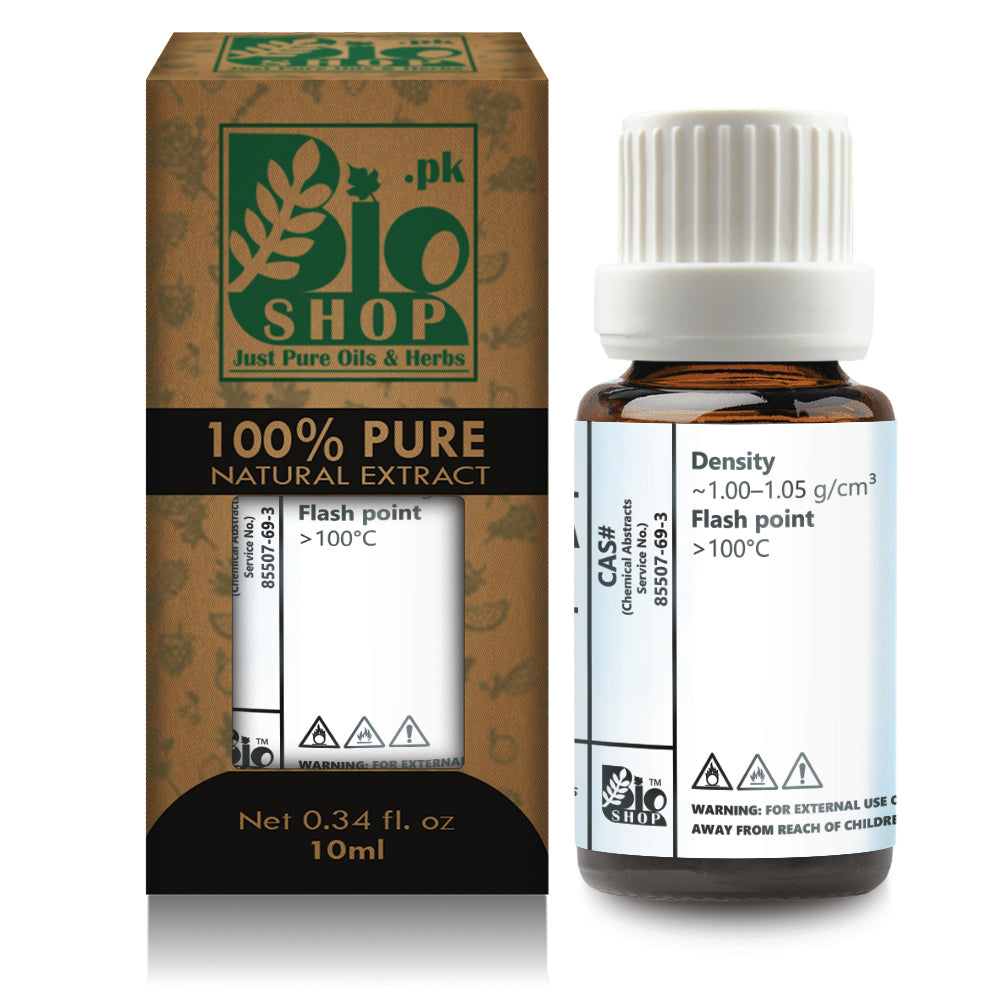
Aloe Vera Extract Liquid
Aloe Vera Extract Liquid
Key Functions: Soothes inflammation, deeply hydrates, supports healing, and calms sensitive skin.
Couldn't load pickup availability

Explore
Information About Aloe Vera Extract Liquid
✅ Key Features
✦ Potent soothing active — reduces redness, irritation, and inflammation through polysaccharide and enzyme activity
✦ High-performance humectant — draws moisture into skin and maintains hydration levels throughout the day
✦ Water-soluble botanical — integrates directly into the water phase of emulsions, gels, toners, and serums without any solubilization required
✦ Rich in bioactives — contains acemannan, vitamins A, C, E, B12, amino acids, and over 75 naturally occurring compounds
✦ Supports wound healing and barrier recovery — historically and clinically associated with accelerating skin repair after minor damage or irritation
✦ Suitable for sensitive, acne-prone, and post-procedure skin — gentle enough for reactive skin types and compatible with most cosmetic actives
✦ Plant-derived and vegan — sourced from Aloe barbadensis Miller, free from animal-derived components
🔬 Description
Aloe Vera Extract Liquid is obtained from the inner leaf parenchyma gel of Aloe barbadensis Miller, a succulent plant native to the Arabian Peninsula that has been cultivated and used medicinally and cosmetically for over five thousand years. Ancient Egyptian, Greek, and Ayurvedic traditions documented its use for skin burns, wounds, and inflammatory conditions, and modern cosmetic science has validated many of these traditional applications through clinical and in vitro research. Cosmetic-grade aloe vera liquid undergoes filtration, decolorization, and concentration to remove anthraquinones and impurities while preserving the active polysaccharide and nutrient profile.
What makes Aloe Vera Extract Liquid exceptional in cosmetic formulation is the presence of acemannan, a beta-1,4-linked acetylated polymannose, which is primarily responsible for its documented anti-inflammatory, wound-healing, and immunomodulatory activity. Combined with its natural complement of vitamins, enzymes such as aliiase and peroxidase, and amino acids including lysine and threonine, the extract delivers multifunctional skin benefits that few synthetic actives can replicate in a single ingredient. Its ability to act as a humectant, soothing agent, and bioactive delivery vehicle simultaneously makes it indispensable in modern skincare formulation.
Bio Shop Pakistan supplies cosmetic-grade Aloe Vera Extract Liquid suitable for DIY formulators, indie skincare brands, and professional cosmetic chemists working across skincare, haircare, and specialty cosmetic categories.
📊 Technical Data
INCI Name : Aloe Barbadensis Leaf Juice
Chemical Name : Aloe barbadensis leaf juice (complex mixture — polysaccharides, vitamins, minerals, amino acids, enzymes)
CAS Number : 85507-69-3
Molecular Formula : Not Applicable (complex botanical mixture)
Appearance : Clear to pale yellow mobile liquid
Odor : Characteristic mild herbal, low intensity
pH (1% solution) : 3.5 – 4.5
Solubility : Fully water-soluble; not soluble in oils
Specific Gravity : 1.00 – 1.02 at 25°C
Flash Point : Not Applicable (aqueous solution)
HLB Value : Not Applicable
Recommended Use Level : 2% – 98% (as active or full water-phase replacement)
Type : Plant extract / Humectant / Soothing active / Anti-inflammatory
Shelf Life : 24 months unopened; use within 6 months of opening
🧪 Recommended Usage
Skincare (Creams, Serums, Lotions) ★★★★★
Aloe Vera Extract Liquid is one of the most versatile actives in skincare formulation, functioning as both a water-phase base and a soothing bioactive. Use at 5–30% as an active addition or replace up to 98% of the water phase in lightweight gel serums and essences.
Haircare (Shampoo, Conditioner, Masks) ★★★★☆
Aloe vera reduces scalp inflammation, conditions the hair shaft, and improves manageability, making it highly effective in rinse-off and leave-on hair treatments. Incorporate at 5–20% in conditioners and masks for detangling, shine, and scalp-calming benefits.
Soap Making (Cold Process, Melt and Pour) ★★★☆☆
Aloe vera liquid can replace a portion of water in cold process soap formulations, contributing a soft skin feel and a natural greenish hue in the finished bar. Use at 25–50% water replacement, as the sugars in aloe accelerate trace and may cause overheating — work quickly and consider soaping at cooler temperatures.
Body Care (Scrubs, Butters, Balms) ★★★☆☆
Aloe vera is water-soluble and unsuitable for anhydrous body butters and balms, but it performs well in water-based body gels, scrub bases, and emulsified body lotions. Use at 10–40% in water-based body care formats for added soothing and hydrating performance.
After-Sun and Sensitive Skin Care (Gels, Mists, Cooling Sprays) ★★★★★
Aloe vera is the gold-standard ingredient for after-sun and calming formulas, providing immediate cooling, anti-inflammatory activity, and hydration to sun-stressed or irritated skin. Use at 70–95% as the dominant base in after-sun gels paired with panthenol and allantoin for maximum recovery support.
💡 Pro Tip
I treat Aloe Vera Extract Liquid as both a functional active and a strategic water-phase builder in the same formula. When I need a serum or toner to do real work — calming post-procedure skin, supporting barrier recovery, or managing inflammatory acne — I do not use aloe at the token 2–5% level most beginners default to. I replace 50–80% of the distilled water in the formula with aloe liquid and pair it with complementary actives like panthenol, allantoin, and low-molecular-weight hyaluronic acid. The result is a synergistically anti-inflammatory water phase that carries all the actives simultaneously. One practical note: aloe vera is a nutrient-rich substrate that supports microbial growth aggressively — I always pair it with a broad-spectrum preservative system and confirm efficacy with challenge testing before any batch goes out.
ADVANCED TIP: To create a high-performance calming serum base, replace 70% of your water phase with Aloe Vera Extract Liquid, add 0.5% sodium hyaluronate (high MW), 2% panthenol, and 0.5% allantoin. Adjust pH to 5.0–5.5 with lactic acid before adding any heat-sensitive actives. This base remains stable under a phenoxyethanol-ethylhexylglycerin system at 0.8–1.0% and performs measurably better than distilled water bases in transepidermal water loss reduction testing.
👩🔬 Skin Type Suitability
Normal Skin : ★★★★★ — Enhances hydration and radiance without disrupting a balanced skin profile.
Dry Skin : ★★★★☆ — Excellent humectant for surface hydration, though dry skin may need additional occlusive or emollient support alongside aloe.
Oily Skin : ★★★★★ — Ideal for oily skin — provides lightweight, non-comedogenic hydration and helps regulate surface inflammation without adding oils.
Combination : ★★★★★ — Works seamlessly across both dry and oily zones, providing balanced hydration without aggravating the T-zone.
Sensitive Skin : ★★★★★ — Among the safest and most effective botanicals for reactive and sensitized skin due to its anti-inflammatory polysaccharide content.
Mature Skin : ★★★★☆ — Hydrating and supportive, though mature skin typically requires additional emollients and occlusives alongside aloe for comprehensive anti-aging benefit.
Acne-Prone : ★★★★★ — Non-comedogenic, anti-inflammatory, and lightweight — well-tolerated by acne-prone skin and beneficial for reducing peri-lesional redness.
🧴 Formulation Ideas
CONCEPT 1: Aloe Vera and Niacinamide Brightening Serum
Usage Level : 70%
Key Ingredients: Niacinamide (5%), Sodium Hyaluronate (0.5%), Allantoin (0.5%), Panthenol (2%)
Result : A lightweight, fast-absorbing serum that soothes redness, brightens uneven tone, and delivers sustained hydration without any greasy residue.
CONCEPT 2: Calming After-Sun Cooling Gel
Usage Level : 85%
Key Ingredients: Panthenol (3%), Allantoin (0.5%), Cucumber Extract (2%), Carbomer (0.5%)
Result : A translucent cooling gel that calms sun-exposed, reddened skin instantly while supporting rapid barrier recovery.
CONCEPT 3: Soothing Scalp and Hair Treatment Mist
Usage Level : 60%
Key Ingredients: Hydrolyzed Wheat Protein (2%), Glycerin (3%), Peppermint Essential Oil (0.5%), Polyquaternium-7 (0.5%)
Result : A leave-in scalp mist that reduces itching and inflammation, strengthens the hair shaft, and improves manageability with each application.
💧 Safety and Regulatory:
INCI Declared : Yes — required on all finished cosmetic products in EU and most regulated markets
EU Cosmetics Reg : Permitted — inner leaf gel juice is considered safe for cosmetic use; anthraquinone-containing whole leaf preparations are subject to SCCS restrictions (SCCS/1498/12)
Rinse-Off Limit : No limit established for inner leaf juice
Leave-On Limit : No limit established for inner leaf juice
Allergen Alert : Yes — rare; individuals with latex hypersensitivity may experience cross-reactivity (latex-aloe cross-sensitization); patch test advised for sensitive users
Skin Safety : Safe at recommended levels when using anthraquinone-free (decolorized inner leaf) cosmetic grade
Eye Area Use : Use with caution — diluted use generally tolerated but avoid contact with ocular surface
Ingestion : Not for internal use
Pregnancy Use : Safe for topical use at standard cosmetic concentrations
Child Safety : Safe for topical use; suitable for sensitive baby formulations when properly preserved and diluted
Ventilation : Not required
Storage : Refrigerate after opening; store away from direct light and heat; do not freeze
Container : HDPE or glass preferred; avoid reactive metal containers
⚠️ Warning: Aloe Vera Extract Liquid is highly susceptible to microbial contamination due to its nutrient-rich composition — always incorporate a validated broad-spectrum preservative system. Use only anthraquinone-free, decolorized inner leaf juice grade for leave-on cosmetic applications in compliance with SCCS guidance. Patch test is recommended for individuals with known latex sensitivity.
Stability and Compatibility
Working pH Range : 3.5 – 7.0 (optimal activity maintained between 4.0 – 6.0)
Heat Stability : Sensitive above 40°C — add in cool-down phase at or below 40°C to preserve bioactive polysaccharides
Freeze-Thaw Stable : No — freezing may cause turbidity, viscosity changes, and loss of clarity
Emulsion Type : O/W preferred; not suitable for anhydrous or W/O systems
Emulsification Phase: Cold / Cool-down phase addition only
Compatible With : Hyaluronic acid, glycerin, niacinamide, allantoin, panthenol, most water-soluble actives and botanical extracts
Incompatible With : Strongly alkaline environments above pH 9, high concentrations of ethanol above 20%, oxidizing agents, cationic polymers at high concentrations (may cause turbidity)
Oxidation Risk : Low — contains natural antioxidants; no additional antioxidant required under normal formulation conditions
Discoloration Risk : Possible — may develop yellow to brown coloration upon prolonged heat exposure or UV light; protect finished formulas with UV-stable packaging
Formulation Notes : Aloe vera liquid requires a robust, broad-spectrum preservative system — phenoxyethanol-ethylhexylglycerin or sodium benzoate-potassium sorbate combinations perform well. Always confirm preservative efficacy via challenge testing as aloe supports rapid microbial growth.
❓ FAQs
Q: What concentration of Aloe Vera Extract Liquid should a beginner use in a face serum?
A: Beginners can safely use Aloe Vera Extract Liquid at 30–50% of the water phase as a starting point, replacing distilled water proportionally. At these levels the soothing and hydrating benefits are clearly noticeable without the preservation challenges that come with higher concentrations. Ensure you have an adequate preservative system in place before increasing usage beyond 50%.
Q: Does Aloe Vera Extract Liquid need to be preserved in the finished formula?
A: Yes, absolutely — aloe vera liquid is one of the most microbiologically vulnerable cosmetic ingredients due to its high nutrient content and near-neutral pH. A validated broad-spectrum preservative system is non-negotiable in any water-phase formula containing aloe. Rely on challenge testing (PET) to confirm your chosen preservative performs adequately in the specific formula matrix.
Q: Can I use Aloe Vera Extract Liquid in cold process soap?
A: Yes, it can replace 25–50% of the water in cold process soap, but the natural sugars in aloe accelerate saponification and can cause overheating or a volcano effect if not managed. Soap at cooler temperatures (below 30°C), work quickly, and monitor the soap closely through the first 24 hours to avoid issues. Active compounds largely degrade under high-pH conditions, so the benefit in finished soap is primarily a skin-feel contribution rather than bioactive performance.
Q: Why is my Aloe Vera Extract Liquid turning yellow or brown?
A: Discoloration in aloe vera liquid is typically caused by heat exposure during formulation, prolonged UV light exposure, or natural oxidation over time. To prevent this, always add aloe in the cool-down phase below 40°C, use UV-protective packaging for finished products, and ensure the product is stored away from direct light. Discolored aloe liquid that smells off should be discarded as microbial contamination may have occurred.
Q: How does Aloe Vera Extract Liquid compare to cucumber extract as a soothing active?
A: Both are water-soluble botanical actives with anti-inflammatory and cooling properties, but aloe vera liquid is significantly more bioactive due to its acemannan polysaccharides and complex nutrient profile. Cucumber extract delivers a lighter, freshening sensation and is particularly suited to toners and mists, while aloe vera provides deeper, more clinically supported anti-inflammatory and wound-recovery benefits. For maximum soothing performance, the two can be used together as complementary co-actives in the same water phase.
Where Can You Safely Use Aloe Vera Extract Liquid
Discover how Aloe Vera Extract Liquid performs across different products — rated for safety, stability, and effectiveness.
REALLY NICE PRODUCT. PLEASE KEEP THE QUALITY UP. I AM A REGULAR BUYER OF STUFF FROM YOUR WEBSITE
perfect
Very useful product and authentic for skin💯
Excellent experience