Bio Shop
Anisaldehyde
Anisaldehyde
Olfactory Notes: Powdery, sweet floral (hawthorn) and balsamic.
Couldn't load pickup availability


Explore
Information About Anisaldehyde
Key Features
✦ Sweet, floral hawthorn aroma with anisic, almond, and powdery facets — one of perfumery's most versatile radiance-boosters
✦ Mid-to-base note with excellent diffusion; adds lift and brightness to oriental, floral, and gourmand accords
✦ Core ingredient in hawthorn, mimosa, ylang-ylang, and anise-type fragrance compositions
✦ Used in Chanel No. 5, many classic florals, and traditional oriental attars for its warm, anisic sweetness
✦ Suitable for fine fragrance, soap, shampoo, body care, candles, and reed diffusers at appropriate IFRA limits
✦ High-purity synthetic — vegan-friendly, consistent quality, and free from natural crop variability
✦ IFRA 51st Amendment regulated — usage rates must be observed in all leave-on skin applications
About Anisaldehyde
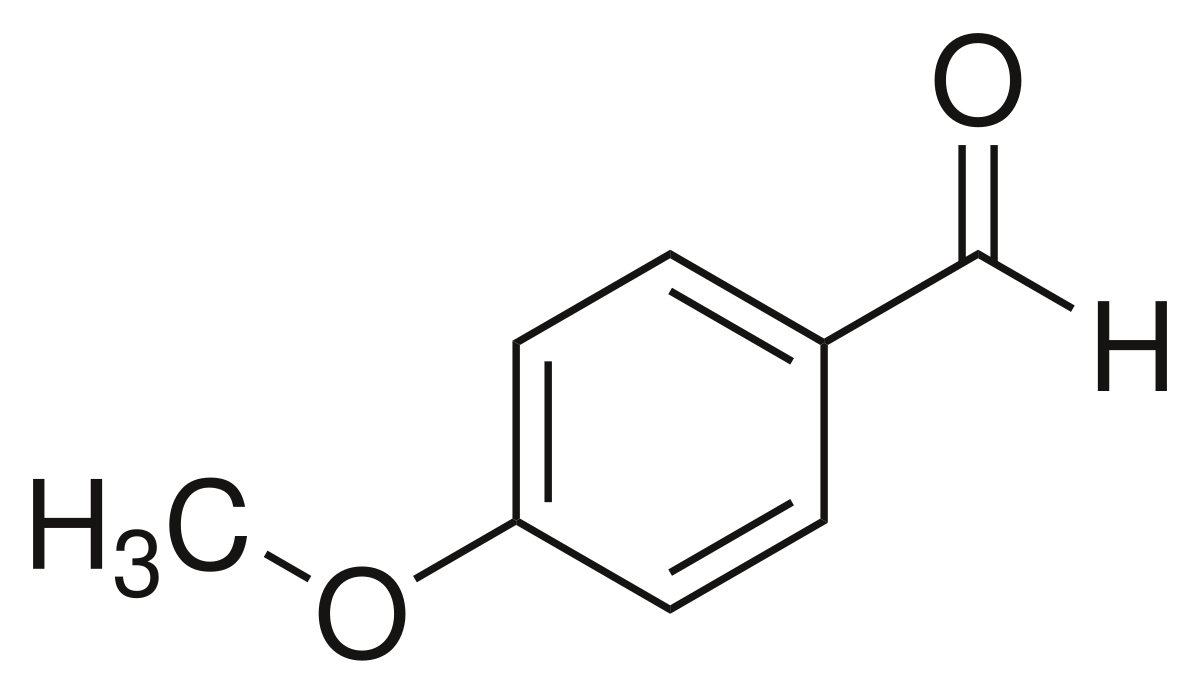
Anisaldehyde, or 4-methoxybenzaldehyde, is an aromatic aldehyde that has been used in perfumery and flavoring since the early twentieth century. It occurs naturally in the essential oils of anise, fennel, star anise, and certain cherry blossom species, but the commercial material used in fragrance is produced synthetically through the oxidation of anethole or the methylation of hydroxybenzaldehyde. Its distinctive sweet, hawthorn-floral character made it indispensable in the great classical perfumes, particularly in floral bouquets, aldehydic florals, and oriental compositions where it contributes warmth, depth, and a soft anisic radiance.
What makes anisaldehyde particularly special is its dual character — it reads simultaneously as fresh and warm, floral and spicy, sweet and dry depending on context and concentration. At low doses it functions as a transparent radiance modifier that lifts surrounding ingredients and improves sillage without dominating. At higher concentrations it becomes the central anisic-hawthorn note in its own right. It also acts as a natural fixative, extending the longevity of lighter top notes in a blend. Its versatility across fine fragrance, soap, and functional products makes it one of the most productive single-molecule investments for any formulator.
Bio Shop Pakistan supplies cosmetic-grade anisaldehyde suitable for fine fragrance houses, attar blenders, DIY perfumers, soap makers, and home fragrance formulators across Pakistan.
Olfactory Profile
SCENT DESCRIPTION : Anisaldehyde opens with a clean, radiant sweetness that instantly evokes spring hawthorn blossoms and freshly cut fennel. The heart reveals a soft almond-like warmth with a distinctly anisic, almost confectionery quality. At low concentrations a delicate powdery creaminess emerges, adding elegance to the overall character. The dry-down is warm, lingering, and subtly balsamic, anchoring floral and oriental accords with smooth tenacity.
NOTE POSITION : Mid to Base (also functions as a bloom amplifier at top-mid concentrations)
FRAGRANCE FAMILY : Floral / Oriental / Gourmand
FACETS : Hawthorn · Anisic · Almond · Powdery · Sweet-Spicy
TENACITY : High — detectable on skin for 6 to 10 hours at standard perfumery concentrations
SILLAGE : Medium to High — projects well in alcohol; diffusive and radiant without being aggressive
Technical Specifications
Chemical Name : 4-Methoxybenzaldehyde
CAS Number : 123-11-5
Synonyms : p-Anisaldehyde, para-Anisaldehyde, Anise Aldehyde, Aubepine, Anisic Aldehyde
Purity : 98% minimum (cosmetic and fragrance grade)
Appearance : Colorless to pale yellow clear liquid
Odor Threshold : Approximately 0.04 to 0.1 ppm (extremely potent — use with precision)
Solubility : Slightly soluble in water; freely soluble in ethanol, DPG, IPM, and most fragrance carriers
Specific Gravity : 1.119 to 1.123 g/cm³ at 20°C
Flash Point : Approximately 87°C (189°F)
Type : Synthetic aromatic aldehyde (also naturally occurring in anise and fennel)
Applications & Usage Guidelines
Fine Fragrance : ★★★★★
Anisaldehyde is a cornerstone ingredient in classical and contemporary fine fragrance. It adds hawthorn radiance to floral hearts, warms oriental bases, and adds a distinctive luminous lift to aldehydic compositions. It is particularly effective in rose, ylang-ylang, and mimosa accords, where its anisic sweetness complements the floral materials beautifully.
Attar and Oriental Blending : ★★★★★
In Pakistani and Gulf-style attar blending, anisaldehyde delivers the characteristic warm anisic sweetness that defines many traditional oriental compositions. It blends seamlessly with oud bases, rose absolutes, sandalwood, and amber to create deeply characterful attars. Formulators working with Indian and Middle Eastern-style mukhallats will find it indispensable.
Functional Fragrance : ★★★★☆
Anisaldehyde performs well in soap, shampoo, and body wash applications, where its diffusive anisic-floral character survives rinse-off conditions and contributes to a perceived freshness on the skin and hair. IFRA limits must be respected for leave-on products such as body lotions and creams, where usage rates are more conservative.
Cosmetics and Skin Care : ★★★☆☆
Usable in creams, lotions, and talc at low concentrations within IFRA guidelines. Its sensitization potential requires careful QRA calculation for any leave-on application. Not recommended for eye-area products, lip products, or baby formulations without specialist regulatory review. Suitable for rinse-off cosmetic applications at appropriate rates.
Home Fragrance : ★★★★☆
Anisaldehyde contributes well to reed diffusers, potpourri blends, and candle compositions. Its warm, sweet hawthorn character is well-suited to spring and oriental home fragrance themes. In candle applications it should be tested for scent throw and stability as some aldehydes can diminish under high wick temperatures.
IFRA & Usage Rate
Recommended Usage Rates by Application
EDP (Eau de Parfum) : 0.5 to 1.5%
EDT (Eau de Toilette) : 0.3 to 1.2%
Body Lotion (leave-on) : 0.1 to 0.4% (IFRA limit applies)
Shampoo / Body Wash : 0.3 to 1.0%
Candle : 0.5 to 2.0% (test for hot throw stability)
Reed Diffuser : 1.0 to 3.0%
Soap (bar) : 0.5 to 1.4%
IFRA 51st Amendment Limits (p-Anisaldehyde — CAS 123-11-5)
Category 1 (Lip products) : 0.02%
Category 2 (Deodorants, face powders) : 0.09%
Category 3 (Eye area, baby leave-on) : 0.09%
Category 4 (Fine fragrance, cologne) : 1.40%
Category 5A (Body lotion, body cream) : 0.36%
Category 5B (Face moisturizer, sunscreen) : 0.09%
Category 5C (Hand cream) : 0.09%
Category 5D (Baby wipes, nappy cream) : 0.09%
Category 6 (Mouthwash, toothpaste) : Not permitted
Category 7A (Rinse-off hair products) : 1.40%
Category 7B (Leave-on hair products) : 0.36%
Category 8 (Shampoo, body wash, bar soap) : 1.40%
Category 9 (Household surface cleaners) : 1.40%
Category 10A (Laundry products) : 1.40%
Category 11A (Candles, air fresheners) : Not restricted under IFRA 51st
⚠️ Anisaldehyde is a known skin sensitizer. Always perform QRA calculations before use in leave-on skin applications.
⚠️ Do not use in lip products, mouthwash, or oral hygiene products above Category 1 limits.
⚠️ Declare as fragrance allergen on EU-market cosmetic labels if present above 0.01% (leave-on) or 0.1% (rinse-off).
⚠️ Verify exact limits against the current IFRA 51st Amendment standard sheet before production. Figures above are guidance values.
Blending Guide
Method 1 — Direct Dilution in DPG or IPM
Anisaldehyde is a potent material with a low odor threshold. For precise blending and ease of handling, pre-dilute to a 10% solution in dipropylene glycol (DPG) or isopropyl myristate (IPM) before incorporating into your formula. This allows far more accurate dosing at small percentages and prevents over-addition, which can result in an aggressive medicinal or anisic sharpness that overpowers the blend.
Method 2 — As a Bloom and Radiance Agent in Floral Accords
At very low concentrations (0.05 to 0.2% in the final formula), anisaldehyde functions as a transparent bloom enhancer. Add it to rose, ylang-ylang, jasmine, or mimosa accords to elevate their radiance and extend their diffusion. In this role it is not perceived as anisic — it simply makes the surrounding floral ingredients smell more vivid, airier, and alive.
Method 3 — As a Character Note in Oriental and Attar Compositions
At concentrations of 0.5 to 1.0% in an EDP or attar, anisaldehyde becomes a recognizable character ingredient. Build hawthorn or anise-forward accords by pairing it with heliotropin, coumarin, and musks. In oud-based attars, a small addition adds a luminous anisic-sweet bridge between the woody base and the floral top, preventing the composition from becoming too dark or heavy.
BEST PAIRINGS
Rose Absolute / Rose Oxide → Deepens the floral facets; creates a classic rosy-hawthorn accord
Heliotropin (Piperonal) → Combines into a powdery almond-cherry blossom heart
Coumarin → Warm fougère effect; hawthorn and hay sweetness
Ylang Ylang EO / Absolute → Intensifies ylang's anisic-floral character naturally
Jasmine Absolute / Hedione → Adds bright anisic lift to jasmine-centred florals
Benzyl Acetate → Fresh jasmine-anisic bridge for floral top notes
Sandalwood / Mysore Sandela → Anchors and warms the anisic sweetness into a creamy-woody base
Vanilla / Ethyl Vanillin → Rich oriental gourmand effect — sweet, warm, bakery-like
Ambroxan / Ambergris Ketone → Lifts the anisic note into a modern skin-scent sensibility
Muguet Bases / Lily of Valley → Spring garden effect with green-floral brightness
Cinnamon / Eugenol → Spiced oriental depth; anisic-cinnamon accord for attar work
Iso E Super → Adds diffusive woody cedar texture under the anisic-floral heart
AVOID
Do not combine anisaldehyde with strongly alkaline bases without stability testing — aldehydes can degrade or discolor under high pH.
Do not use in formulas containing free amines (certain hair permanent wave chemicals) as condensation reactions may occur.
Avoid combining with strong oxidizing agents.
Perfumer's Note
Anisaldehyde is one of those materials you either underuse or accidentally overuse — there is very little middle ground when you are learning how to work with it. When I first encountered it, I used it as a floral ingredient and wondered why my rose soliflores kept turning soapy and anisic. Over time I learned that its true power lies in its role as an amplifier rather than a soloist. At sub-threshold levels it adds a luminous, blooming quality to surrounding florals that you cannot replicate with any other material. It has a kind of atmospheric diffusion — it makes other ingredients smell more present, more radiant, and more alive without announcing itself overtly. In oriental and attar work, a touch of anisaldehyde is the difference between a flat heavy mukhallat and one that breathes and projects into the room.
ADVANCED TIP : Try using anisaldehyde in a 1:1 molar ratio concept with heliotropin to build a hawthorn accord base. Start with 0.3% anisaldehyde and 0.4% heliotropin in your formula, add 0.2% coumarin for warmth, and a trace of benzyl acetate for freshness. This four-material micro-accord produces a convincing hawthorn blossom effect that reads as simultaneously fresh, warm, and powdery. It functions as an invisible heart modifier in floral, chypre, and fougère compositions — transparent enough to not dominate, distinctive enough to give the final scent an identifiable character that is difficult to deconstruct.
Safety & Storage
Physical State : Clear to pale yellow liquid at room temperature
Skin Safety : Known skin sensitizer — avoid undiluted skin contact; always use within IFRA limits in finished products
Eye Contact : Irritant — avoid contact; flush with water for 15 minutes and seek medical advice if exposure occurs
Ingestion : Not for internal use; seek immediate medical attention if swallowed
Ventilation : Work in a well-ventilated area or under a fume hood when handling undiluted material in bulk
Storage : Store in a cool, dark place away from heat, light, and oxidizing agents; ideal temperature 15 to 25°C
Shelf Life : 24 to 36 months when stored correctly in sealed containers; aldehydes can oxidize over time
Container : Store in original amber glass or HDPE container; keep tightly sealed to prevent oxidation and evaporation
Flammability : Combustible liquid — flash point approximately 87°C; keep away from open flames and sparks
FAQ
Q: What does anisaldehyde smell like?
A: Sweet, floral, and anisic — it evokes hawthorn blossoms, almond, and a soft powdery warmth. At low doses it smells radiant and luminous; at higher doses the anise character becomes more pronounced.
Q: How much anisaldehyde should I use in a perfume?
A: For fine fragrance (EDP), start at 0.3 to 0.5% and adjust upward to a maximum of 1.4% per IFRA Category 4 limits. It is potent — a little goes a long way. Diluting to a 10% DPG solution first makes dosing far more accurate.
Q: Is anisaldehyde safe for soap and shampoo?
A: Yes, at appropriate concentrations. The IFRA 51st Amendment permits up to 1.4% in rinse-off products (Category 8). Always calculate your final concentration in the finished product, not just the fragrance compound.
Q: Can I use anisaldehyde in lip balms or lip products?
A: No. IFRA limits anisaldehyde in lip products (Category 1) to 0.02% — an extremely low threshold. It is not practical or safe to use in lip formulations for most purposes. Avoid it in oral care products entirely.
Q: How does anisaldehyde compare to star anise essential oil?
A: Star anise essential oil is primarily anethole (80 to 90%), which has a similar anisic character but is rounder, less sharp, and without the floral hawthorn facets of anisaldehyde. Anisaldehyde is more potent, more diffusive, and more floral in character. It offers greater precision and control in formulation compared to the essential oil, and its performance in complex accords is significantly superior.
Where Can You Safely Use Anisaldehyde?
Discover how Anisaldehyde performs across different applications—rated for safety, stability, and effectiveness.