Skip to product information
1 of 2

Bio Shop

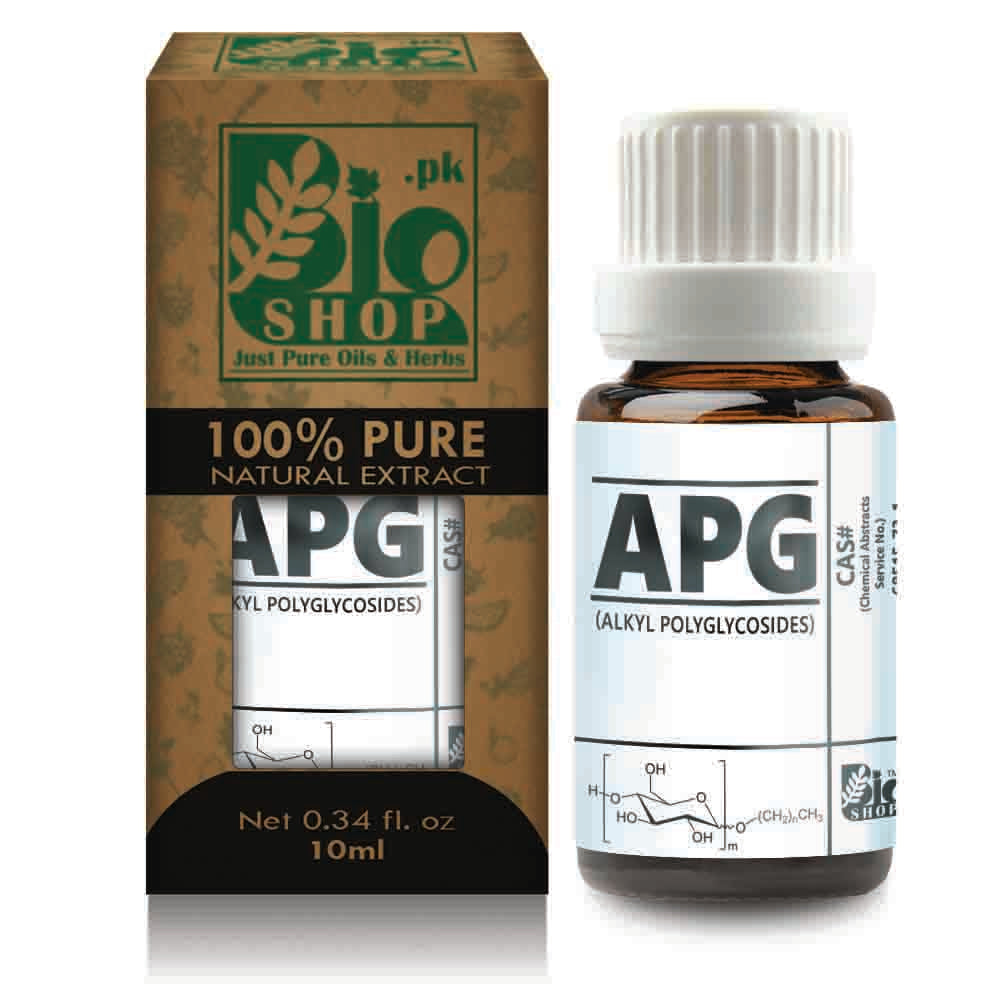
APG (Alkyl Polyglycosides)

APG (Alkyl Polyglycosides)

Regular price Rs.200.00
Regular price Sale price Rs.200.00
Sale Sold out
Shipping calculated at checkout.

Key Functions: Mild cleansing, gentle foaming, emulsion stabilizing, and skin barrier protection.

Weight
Quantity
🚚 Estimated delivery time:
View full details

Explore

Information About APG (Alkyl Polyglycosides)

✅ Key Features

✦ Ultra-mild plant-derived surfactant that cleanses without stripping natural skin oils
✦ Produces rich, creamy foam with excellent rinseability and no residue
✦ 100% biodegradable and derived from renewable coconut and corn glucose sources
✦ Compatible with anionic, cationic, and amphoteric surfactants for versatile formulation
✦ Safe for sensitive skin, baby care, and intimate hygiene products
✦ Functions as both a primary surfactant and a foam-boosting co-surfactant
✦ Maintains stable performance across a wide pH range from 3 to 12

🔬 Description

Alkyl Polyglycosides (APG) are a family of non-ionic surfactants synthesized from fatty alcohols derived from coconut or palm kernel oil and glucose obtained from corn starch. First developed in the 1890s, APG surfactants gained commercial prominence in the 1990s as the cosmetics industry shifted toward milder, environmentally responsible cleansing agents. Today they are among the most widely used green surfactants in personal care worldwide.

What makes APG exceptional is its unique molecular structure combining a sugar head group with a fatty alcohol tail, producing a surfactant that delivers effective cleansing and generous foam without the irritation profile of sulfates. APG has an extremely low irritation index, often outperforming even betaines and amphoterics in dermatological mildness tests. It also acts as a natural thickening synergist when combined with anionic surfactants, improving viscosity and foam density without additional rheology modifiers.

Bio Shop Pakistan supplies cosmetic-grade APG (Alkyl Polyglycosides) suitable for DIY beauty formulators, professional cosmetic chemists, baby care developers, and clean beauty brands.

📊 Technical Data

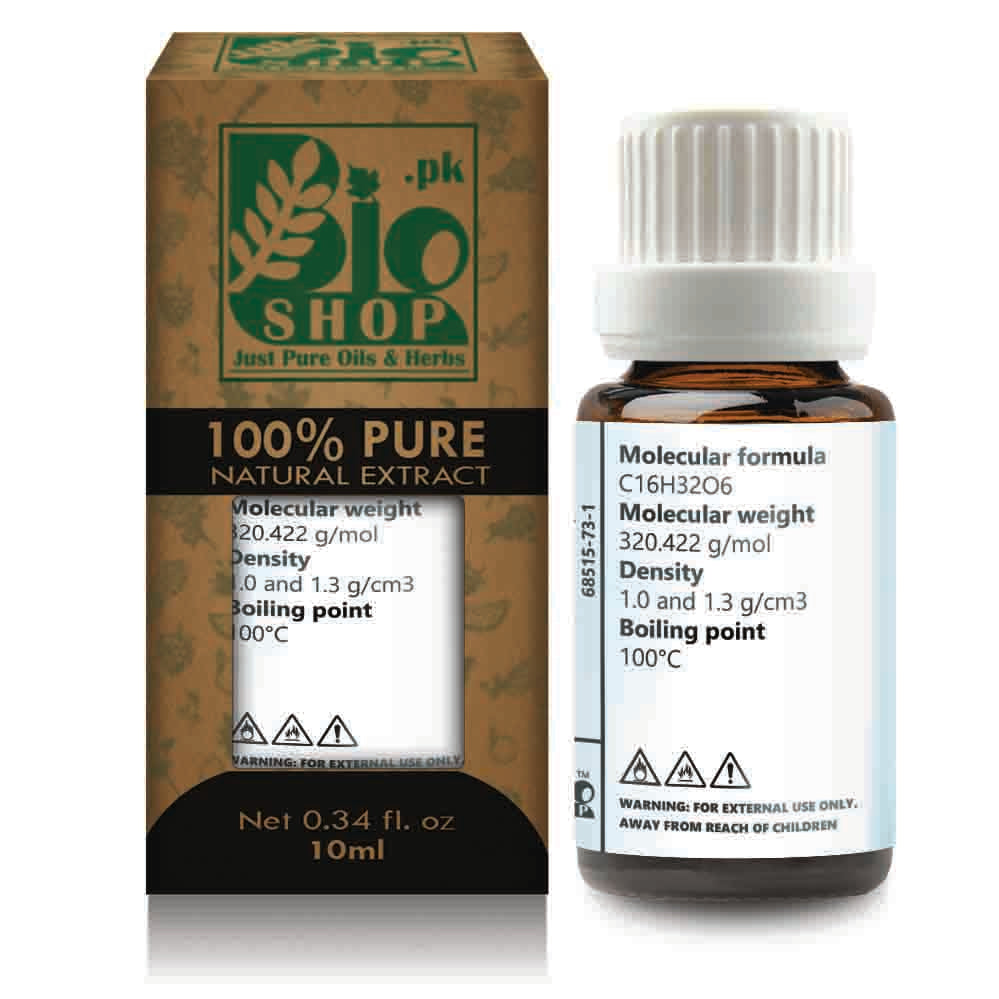
INCI Name : Coco-Glucoside / Decyl Glucoside (varies by chain length)
Chemical Name : Alkyl Polyglycosides (C8-C16 Alkyl Chain with Glucose Units)
CAS Number : 141464-42-8 (Decyl Glucoside) / 110615-47-9 (Coco-Glucoside)
Molecular Formula : Variable (mixture of alkyl glucosides)
Appearance : Clear to slightly hazy pale yellow viscous liquid
Odor : Mild characteristic, nearly odorless
pH (1% solution) : 11.5 to 12.5 (neat); formulate to desired pH
Solubility : Freely soluble in water
Specific Gravity : 1.05 to 1.15 at 25°C
Flash Point : Greater than 100°C
HLB Value : 12 to 14
Recommended Use Level : 5% to 40% (depending on application and active matter content)
Type : Non-ionic surfactant (plant-derived)
Shelf Life : 12 to 24 months when stored properly

🧪 Recommended Usage

Skincare (Cleansers, Micellar Water, Face Wash) ★★★★★
APG is one of the mildest surfactants available, making it ideal as a primary or co-surfactant in facial cleansers and micellar formulations. Use at 8% to 15% active matter for a gentle yet effective cleansing base.

Haircare (Shampoo, Co-Wash, Scalp Treatments) ★★★★☆
Provides soft, creamy lather in sulfate-free shampoos without over-stripping hair proteins. Blend with a secondary anionic surfactant at 10% to 20% for improved foam volume in shampoo formulations.

Soap Making (Liquid Soap, Syndet Bars) ★★★☆☆
APG works well in liquid soap formulations as a mildness booster but is not suitable for traditional cold process bar soap. Add at 5% to 10% in liquid syndet systems to reduce overall irritation potential.

Body Care (Body Wash, Intimate Wash, Shower Gel) ★★★★★
Excellent for full-body cleansing products where mildness is essential, particularly intimate hygiene and sensitive area washes. Use at 10% to 25% active matter for a luxurious low-irritation body wash.

Baby Care and Sensitive Formulations ★★★★★
APG is one of the few surfactants recommended for baby shampoos and washes due to its near-zero irritation profile. Formulate at 8% to 12% active matter and maintain pH between 5.0 and 6.0 for optimal gentleness.

💡 Pro Tip

In my formulation work, I always reach for APG when building sulfate-free systems because it solves two problems at once — it cleanses gently and it naturally boosts the viscosity of anionic blends, reducing the need for salt or gum thickeners. The key is understanding that APG on its own produces moderate foam, but when paired correctly with a co-surfactant, the foam becomes dense and stable. I find it indispensable in micellar waters, baby lines, and any product marketed toward sensitive or compromised skin.
ADVANCED TIP: Combine APG at 12% with Cocamidopropyl Betaine at 6% and Sodium Cocoyl Isethionate at 4% for a synergistic sulfate-free cleansing base that delivers rich foam, excellent viscosity response to salt adjustment, and an irritation index below 0.1 on the Zein test — comparable to water alone.

👩‍🔬 Skin Type Suitability

Normal Skin : ★★★★★ — Cleanses effectively without disrupting the balanced lipid barrier.
Dry Skin : ★★★★★ — One of the least stripping surfactants available, preserving moisture.
Oily Skin : ★★★☆☆ — May feel insufficient for deep degreasing; best paired with a stronger co-surfactant.
Combination : ★★★★☆ — Gentle enough for dry zones while providing adequate cleansing for the T-zone.
Sensitive Skin : ★★★★★ — Extremely low irritation potential confirmed by multiple dermatological studies.
Mature Skin : ★★★★★ — Ideal for aging skin that cannot tolerate harsh sulfate-based cleansers.
Acne-Prone : ★★★★☆ — Non-comedogenic and rinses cleanly, though may need a co-surfactant for deeper pore cleansing.

🧴 Formulation Ideas

CONCEPT 1: Ultra-Gentle Micellar Cleansing Water
Usage Level : 3% to 5%
Key Ingredients: Polysorbate 20, Glycerin, Panthenol
Result : A no-rinse micellar solution that lifts makeup and impurities without any tightness or irritation, perfect for sensitive and reactive skin.

CONCEPT 2: Sulfate-Free Baby Shampoo and Body Wash
Usage Level : 10% to 12%
Key Ingredients: Cocamidopropyl Betaine, Glyceryl Oleate, Chamomile Extract
Result : A tear-free, ultra-mild 2-in-1 wash with soft creamy foam that gently cleanses baby skin and hair without disrupting the developing skin barrier.

CONCEPT 3: Soothing Rosewater Facial Foam Cleanser
Usage Level : 12% to 15%
Key Ingredients: Sodium Cocoyl Isethionate, Rose Hydrosol, Allantoin, Hyaluronic Acid
Result : A luxurious low-pH foaming cleanser that delivers dense cloud-like foam while hydrating and calming the skin, suitable for daily use on sensitive and dry skin types.

💧 Safety and Regulatory:

INCI Declared : Yes — required declaration in all cosmetic products
EU Cosmetics Reg : Permitted — no specific Annex restriction; classified as a mild surfactant
Rinse-Off Limit : No maximum limit established; typically used at 5% to 40% active matter
Leave-On Limit : Can be used in leave-on products at low concentrations (below 5%) as a solubilizer
Allergen Alert : No — not a known allergen; no IFRA restriction (not a fragrance material)
Skin Safety : Safe at recommended levels; one of the mildest surfactants commercially available
Eye Area Use : Use with caution — mild but still a surfactant; avoid direct eye contact
Ingestion : Not for internal use
Pregnancy Use : Safe — no known reproductive toxicity concerns
Child Safety : Safe for infants and children; widely used in baby care formulations
Ventilation : Not required under normal use conditions
Storage : Cool dry place away from direct sunlight; do not freeze
Container : HDPE or PET recommended; compatible with most packaging materials

⚠️ APG has a naturally high pH (11 to 12.5) in neat form. Always adjust formulation pH to skin-compatible levels (4.5 to 6.5) before use. Neat material may cause irritation if applied directly without dilution.

Stability and Compatibility

Working pH Range : 3 to 12 (functional across a very wide range)
Heat Stability : Stable up to 80°C; can be added to hot or cold phase
Freeze-Thaw Stable : No — may become hazy or separate if frozen; store above 5°C
Emulsion Type : O/W preferred; can assist emulsification in cleansing emulsions
Emulsification Phase: Either hot or cold phase addition is acceptable
Compatible With : Anionic surfactants, amphoteric surfactants, non-ionic emulsifiers, proteins, botanical extracts
Incompatible With : Strong cationic surfactants at high concentrations may reduce foaming; highly acidic systems below pH 3 may reduce performance
Oxidation Risk : Low — chemically stable sugar-based molecule
Discoloration Risk : Possible — may yellow slightly over extended storage or if exposed to high heat during processing
Formulation Notes : APG naturally boosts viscosity in anionic surfactant blends, often eliminating the need for separate thickeners. When formulating, add APG to the surfactant phase and adjust pH as the final step since its neat pH is very alkaline.

❓ FAQs

Q: What is APG and why is it considered a green surfactant?
A: APG stands for Alkyl Polyglycosides, a family of non-ionic surfactants made from plant-derived fatty alcohols and natural glucose. It is classified as green because it is 100% biodegradable, derived from renewable resources, and produced without petrochemical inputs.

Q: Can I use APG as the only surfactant in a face wash?
A: Yes, APG can function as a sole surfactant in gentle face washes, though the foam will be moderate and creamy rather than voluminous. For richer lather, combine it with Cocamidopropyl Betaine or Sodium Cocoyl Isethionate at a 2:1 ratio.

Q: Why does my APG formulation have a very high pH before adjustment?
A: Neat APG typically has a pH between 11.5 and 12.5 due to its manufacturing process. This is normal and expected. Always adjust your final formulation to pH 4.5 to 6.5 using citric acid or lactic acid before use on skin or hair.

Q: Is APG safe for baby products and sensitive skin formulations?
A: APG is one of the safest surfactants for baby care, with an irritation potential close to water in clinical testing. It is widely used in commercial baby shampoos, baby body washes, and products for eczema-prone and atopic skin.

Q: How does APG compare to Sodium Lauryl Sulfoacetate (SLSA) as a mild surfactant?
A: Both are considered mild alternatives to SLS and SLES, but APG is gentler with a lower irritation index and better biodegradability. SLSA produces more dramatic foam and better dry lather for bath bombs and solid products, while APG excels in liquid formulations where skin compatibility is the top priority.

Where Can You Safely Use APG (Alkyl Polyglycosides)

Discover how APG (Alkyl Polyglycosides) performs across different products — rated for safety, stability, and effectiveness.

Skincare
Serums
2
Stability Issues
Creams & Lotions
3
Discoloration
Eye Creams
2
Stability Issues
Face Masks
6
Fair
Cleansers
9
Very Good
Toners
3
Discoloration
Lip Balms
0
Not Recommended
Ointments
0
Not Recommended
Body & Hair Care
Body Butters
0
Not Recommended
Shampoos
8
Good
Conditioners
4
Slight Issues
Hair Masks
5
Mediocre
Soap & Specialty
Soaps
7
Reasonable
Deodorants
3
Discoloration