Skip to product information
1 of 3

Bio Shop

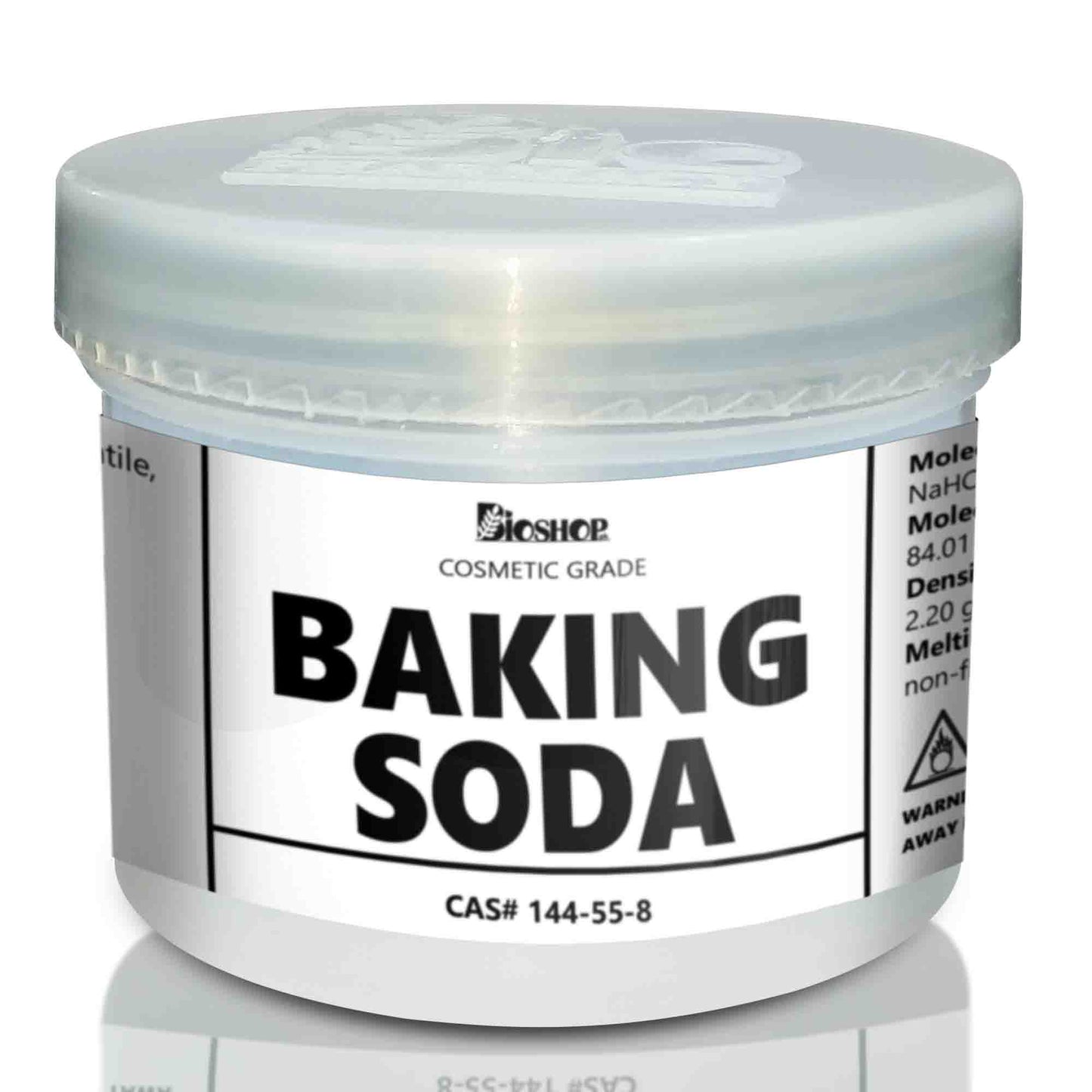
Baking Soda (Sodium Bicarbonate)

Baking Soda (Sodium Bicarbonate)

Regular price Rs.200.00
Regular price Sale price Rs.200.00
Sale Sold out
Shipping calculated at checkout.

Key Functions: Neutralizes odor, adjusts pH, gently exfoliates, and creates effervescence.

Weight
Quantity
🚚 Estimated delivery time:
Learn More About This Ingredient View full details

Explore

Information About Baking Soda (Sodium Bicarbonate)

✅ Key Features

✦ Powerful natural odor neutralizer ideal for deodorant and foot care formulations
✦ Reacts with citric acid to produce effervescence in bath bombs and fizzy tablets
✦ Functions as a gentle physical exfoliant for face and body scrubs
✦ Effective pH adjuster and buffering agent in water-based formulations
✦ Mineral-derived, vegan-friendly, and free from synthetic fragrances or preservatives
✦ Suitable for oral care formulations including whitening toothpaste and mouthwash bases
✦ Widely available in fine cosmetic-grade powder for smooth incorporation into formulations

🔬 Description

Sodium Bicarbonate, universally known as baking soda, is an inorganic salt derived from the mineral nahcolite or produced through the Solvay process. Its use in personal care dates back centuries, with ancient Egyptians using natron, a naturally occurring sodium bicarbonate deposit, for cleansing rituals. In modern cosmetics, it has become indispensable in bath and body care, natural deodorants, and oral hygiene products.

What makes sodium bicarbonate uniquely versatile is its amphoteric buffering capacity and mild alkalinity. At a pH of approximately 8.3 in solution, it creates an environment that discourages odor-causing bacteria while remaining gentle enough for topical use at controlled concentrations. Its reaction with acids produces carbon dioxide gas, which is the fundamental chemistry behind every bath bomb and effervescent tablet on the market.

Bio Shop Pakistan supplies cosmetic-grade sodium bicarbonate suitable for DIY crafters, bath bomb makers, natural deodorant formulators, soap makers, and professional cosmetic chemists.

📊 Technical Data

INCI Name : Sodium Bicarbonate
Chemical Name : Sodium Hydrogen Carbonate
CAS Number : 144-55-8
Molecular Formula : NaHCO₃
Appearance : Fine white crystalline powder
Odor : Odorless
pH (1% solution) : 8.2 to 8.5
Solubility : Soluble in water (96 g/L at 20°C), insoluble in ethanol
Specific Gravity : 2.20
Flash Point : Not applicable (non-flammable)
HLB Value : Not applicable
Recommended Use Level : 5 to 25% depending on application
Type : Inorganic salt, pH adjuster, abrasive, deodorizer
Shelf Life : Indefinite when stored dry (typically labeled 2 to 3 years)

🧪 Recommended Usage

Skincare (Scrubs and Cleansers) ★★★☆☆
Sodium bicarbonate works as a mild physical exfoliant in facial and body scrubs at 5 to 15%. Use infrequently on facial skin and always follow with a pH-balancing toner to restore the acid mantle.

Bath and Fizz Products (Bath Bombs, Fizzies) ★★★★★
This is the primary ingredient in bath bomb formulations, typically used at 40 to 60% in combination with citric acid. A standard ratio of 2 parts baking soda to 1 part citric acid delivers consistent fizzing action.

Natural Deodorants (Sticks, Creams, Pastes) ★★★★★
Sodium bicarbonate neutralizes odor-causing bacteria effectively at 10 to 25% in deodorant formulations. Reduce concentration to 10 to 15% for sensitive skin variants and blend with arrowroot or tapioca starch.

Oral Care (Toothpaste, Mouthwash, Tooth Powder) ★★★★☆
Used at 20 to 50% in tooth powders and 5 to 15% in toothpaste bases for gentle whitening and freshening action. Pair with calcium carbonate and xylitol for a well-rounded oral care formula.

Foot and Body Care (Soaks, Powders, Deodorizers) ★★★★★
Excellent in foot soak formulations at 15 to 30% where it softens calluses and neutralizes foot odor. Combine with Epsom salt and essential oils for a complete therapeutic foot soak blend.

💡 Pro Tip

In my experience, the most common mistake formulators make with sodium bicarbonate is using too high a concentration in leave-on products, especially deodorants and facial products. At concentrations above 20 to 25% in deodorants, a significant percentage of users will develop contact irritation due to prolonged alkaline exposure on skin. I always recommend starting at 10 to 12% and testing consumer tolerance before scaling up. In bath bombs, moisture is your enemy during production — even ambient humidity can trigger premature activation, so I work in low-humidity conditions and use 91% isopropyl alcohol as a binder instead of water.

ADVANCED TIP: When formulating natural deodorants, pre-neutralize a portion of the sodium bicarbonate by blending it with a small amount of caprylic or capric acid (2 to 3% of the total formula) before incorporating into the base. This partially converts the bicarbonate to sodium caprylate, reducing skin pH stress while maintaining strong antimicrobial deodorizing action and significantly lowering irritation complaints.

👩‍🔬 Skin Type Suitability

Normal Skin : ★★★★☆ — Well tolerated in scrubs and body products at moderate concentrations
Dry Skin : ★★★☆☆ — Alkaline pH can strip moisture barrier if overused or left on skin
Oily Skin : ★★★★☆ — Helps absorb excess oil and deep clean pores in wash-off formulations
Combination : ★★★☆☆ — Beneficial on oily zones but may irritate drier areas with frequent use
Sensitive Skin : ★★☆☆☆ — High pH can cause redness and irritation so use at reduced levels only
Mature Skin : ★★★☆☆ — Gentle scrub action is acceptable but avoid frequent use on thinning skin
Acne-Prone : ★★★☆☆ — Can help unclog pores in wash-off products but disrupts acid mantle if overused

🧴 Formulation Ideas

CONCEPT 1: Lavender Fizz Bath Bomb
Usage Level : 50%
Key Ingredients: Citric Acid, Coconut Oil, Lavender Essential Oil, Polysorbate 80
Result : A classic effervescent bath bomb that fizzes vigorously, releases calming lavender aroma, and leaves skin lightly moisturized.

CONCEPT 2: Charcoal Detox Deodorant Cream
Usage Level : 12%
Key Ingredients: Shea Butter, Arrowroot Powder, Activated Charcoal, Tea Tree Essential Oil
Result : A sensitive-skin-friendly natural deodorant cream that neutralizes odor without causing irritation from excessive alkalinity.

CONCEPT 3: Brightening Micro-Exfoliant Cleanser
Usage Level : 8%
Key Ingredients: Kaolin Clay, Rice Powder, Oat Flour, Chamomile Extract
Result : A gentle powder-to-paste facial cleanser that provides mild physical exfoliation while soothing skin and promoting a brighter complexion.

💧 Safety and Regulatory:

INCI Declared : Yes — required in ingredient listing at any concentration
EU Cosmetics Reg : Permitted — no specific Annex restriction for cosmetic use
Rinse-Off Limit : No established maximum but typically used at 5 to 60% depending on product type
Leave-On Limit : No formal limit but recommended below 25% to minimize irritation risk
Allergen Alert : No — not a recognized allergen under EU or FDA frameworks
Skin Safety : Safe at recommended levels but prolonged alkaline contact may irritate sensitive skin
Eye Area Use : Avoid — alkaline pH causes stinging and irritation to eye area
Ingestion : Generally recognized as safe for oral care products at cosmetic use levels
Pregnancy Use : Safe for external cosmetic use
Child Safety : Safe for children in bath products and tooth powders at standard concentrations
Ventilation : Not required under normal use
Storage : Cool dry place in sealed container away from moisture and acids
Container : HDPE, PET, or glass — avoid storing near open acid containers to prevent premature reaction

⚠️ Sodium Bicarbonate has a pH of approximately 8.3 in solution. Prolonged leave-on contact may disrupt the skin acid mantle (pH 4.5 to 5.5), especially on sensitive or compromised skin. Always patch test leave-on formulations and consider buffering with mild acids in deodorant applications.

Stability and Compatibility

Working pH Range : 7.0 to 9.0 (functions optimally near its natural pH of 8.3)
Heat Stability : Stable up to 50°C in formulation; begins to decompose to sodium carbonate above 70°C
Freeze-Thaw Stable : Yes — dry powder is unaffected; aqueous solutions remain stable
Emulsion Type : Not applicable (water-soluble solid, not an emulsifier)
Emulsification Phase: Dissolve in water phase or add dry to anhydrous blends
Compatible With : Citric acid (for effervescence), clays, starches, carrier oils, essential oils
Incompatible With : Strong acids at high concentrations (causes rapid CO₂ release), vinegar in closed containers, aluminum in prolonged wet contact
Oxidation Risk : Low — chemically stable inorganic salt with no oxidizable bonds
Discoloration Risk : None — does not discolor formulations or fabrics
Formulation Notes : In bath bomb production, avoid water-based binders to prevent premature acid-base reaction. Use 91% isopropyl alcohol or witch hazel as binding sprays. In deodorant formulations, always incorporate after melting and cooling the butter base to below 45°C.

❓ FAQs

Q: Can I use baking soda directly on my face as a scrub?
A: You can, but it is not recommended as a daily practice. Baking soda has a pH around 8.3 which is significantly higher than skin's natural pH of 4.5 to 5.5. Use it in wash-off formulations at 5 to 10% no more than once or twice per week.

Q: What is the correct baking soda to citric acid ratio for bath bombs?
A: The standard ratio is 2 parts sodium bicarbonate to 1 part citric acid by weight. This produces consistent fizzing action and a pleasant bath experience. You can adjust slightly depending on how fast or slow you want the fizz.

Q: Why does baking soda deodorant irritate some people's underarms?
A: The alkaline pH of sodium bicarbonate can disrupt the skin's acid mantle with prolonged contact, causing redness or a rash. Reducing the concentration to 10 to 12% and adding soothing ingredients like magnesium hydroxide or zinc oxide often resolves the issue.

Q: Does baking soda expire or lose potency over time?
A: Sodium bicarbonate is chemically stable and lasts indefinitely when stored dry and sealed. However, if exposed to moisture or acids, it can partially convert to sodium carbonate and lose its effervescent reactivity. Always store in airtight containers away from humidity.

Q: How does baking soda compare to sodium carbonate (washing soda) in cosmetics?
A: Sodium carbonate has a much higher pH of approximately 11.5 compared to baking soda's 8.3, making it far too alkaline for most cosmetic applications. Baking soda is the preferred choice for skin and body care because it offers gentle alkalinity, better skin tolerance, and controlled effervescence that washing soda cannot safely provide.

Where Can You Safely Use Baking Soda (Sodium Bicarbonate)

Discover how Baking Soda (Sodium Bicarbonate) performs across different products — rated for safety, stability, and effectiveness.

Skincare
Serums
0
Not Recommended
Creams & Lotions
3
Discoloration
Eye Creams
0
Not Recommended
Face Masks
5
Mediocre
Cleansers
6
Fair
Toners
0
Not Recommended
Lip Balms
2
Stability Issues
Ointments
2
Stability Issues
Body & Hair Care
Body Butters
3
Discoloration
Shampoos
4
Slight Issues
Conditioners
2
Stability Issues
Hair Masks
3
Discoloration
Soap & Specialty
Soaps
5
Mediocre
Deodorants
8
Good