Skip to product information
1 of 2

Bio Shop

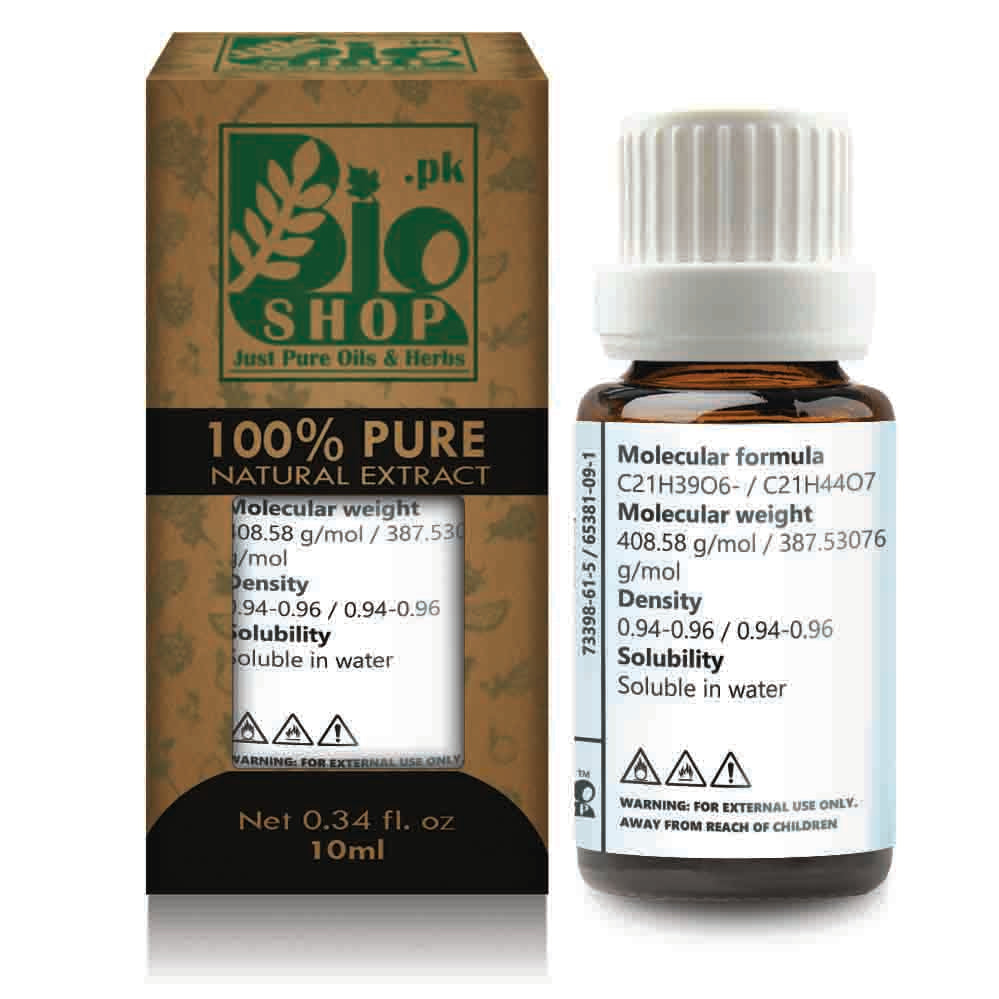
Caprylic Capric Triglyceride

Caprylic Capric Triglyceride

Regular price Rs.300.00
Regular price Sale price Rs.300.00
Sale Sold out
Shipping calculated at checkout.

Key Functions: Lightweight emollient, enhances absorption, improves spreadability, and stabilizes formulations.

Weight
Quantity
🚚 Estimated delivery time:
Learn More About This Ingredient View full details

Explore

Information About Caprylic Capric Triglyceride

✅ Key Features

✦ Superior lightweight emollient that absorbs quickly without leaving a greasy residue on skin
✦ Excellent carrier oil for dissolving and delivering oil-soluble active ingredients into formulations
✦ Enhances spreadability and silky texture in creams, serums, and lotions
✦ Highly stable against oxidation with a long shelf life compared to most plant oils
✦ Non-comedogenic and suitable for acne-prone and sensitive skin types
✦ Derived from coconut oil and glycerin making it a naturally sourced vegan-friendly ingredient
✦ Colorless and virtually odorless allowing use in fragrance-sensitive and unscented products

🔬 Description

Caprylic Capric Triglyceride is a mixed ester of glycerin with caprylic (C8) and capric (C10) fatty acids, derived primarily from coconut oil or palm kernel oil through esterification. It has been used extensively in the cosmetics industry for decades as a preferred alternative to mineral oil, offering a clean, plant-derived emollient base with excellent skin compatibility. Its widespread adoption grew alongside the clean beauty movement due to its minimal processing and naturally sourced origin.

What makes Caprylic Capric Triglyceride especially valuable to formulators is its unique combination of dry-touch feel and strong solvency power. It dissolves oil-soluble actives like retinol, tocopherol, and CoQ10 efficiently while providing a weightless sensory profile on the skin. Its medium-chain triglyceride structure resists rancidity far better than long-chain oils, making it a stability anchor in emulsions, anhydrous serums, and oil-based cleansers.

Bio Shop Pakistan supplies cosmetic-grade Caprylic Capric Triglyceride suitable for DIY skincare formulators, professional cosmetic chemists, soap makers, and haircare product developers.

📊 Technical Data

INCI Name : Caprylic/Capric Triglyceride
Chemical Name : Glyceryl Tricaprylate/Caprate (Mixed Esters of Glycerin with Caprylic and Capric Acids)
CAS Number : 65381-09-1
Molecular Formula : Variable (mixed ester blend, no single formula)
Appearance : Clear, colorless to pale yellow oily liquid
Odor : Virtually odorless
pH (1% solution) : Not Applicable (oil phase, non-aqueous)
Solubility : Oil-soluble; insoluble in water; miscible with most fixed and volatile oils
Specific Gravity : 0.940 – 0.960 at 25°C
Flash Point : Approximately 230°C
HLB Value : Not Applicable (used as emollient, not emulsifier)
Recommended Use Level : 2% – 50% depending on product type
Type : Emollient / Carrier Oil / Solvent
Shelf Life : 24 months when stored properly

🧪 Recommended Usage

Skincare (Creams, Serums, Lotions) ★★★★★
An ideal emollient base for virtually all skincare formats due to its lightweight feel and active-delivery capability. Use at 5% to 25% in creams or as a primary carrier in oil serums at up to 50%.

Haircare (Shampoo, Conditioner, Masks) ★★★★☆
Adds shine and smoothness to hair without weighing it down, making it excellent in leave-in serums and lightweight conditioners. Use at 2% to 10% in rinse-off products or up to 20% in anhydrous hair serums.

Soap Making (Cold Process, Melt and Pour) ★★☆☆☆
Not a traditional soap-making oil as it does not contribute significantly to saponification or lather. Better used as a superfat additive at 3% to 5% for added skin-conditioning in cold process bars.

Body Care (Scrubs, Butters, Balms) ★★★★★
Provides a dry, silky slip in body butters and balms without the heavy feel of shea or cocoa butter alone. Use at 10% to 30% to improve spreadability and create elegant, fast-absorbing textures.

Functional Cosmetics (Makeup, Pigment Dispersions, Oil Cleansers) ★★★★★
One of the best carrier oils for dispersing pigments in foundations and tinted moisturizers and for formulating oil-based cleansing systems. Use at 15% to 50% in oil cleansers or as the primary pigment-wetting agent.

💡 Pro Tip

In my formulation work, I consider Caprylic Capric Triglyceride the single most versatile carrier in my ingredient library. I use it as the default oil phase base in nearly every emulsion because it provides a neutral sensory canvas that lets other oils and actives shine without competing for attention on the skin. Its oxidative stability means I can rely on it in formulations with minimal antioxidant load, and its solvency for retinoids and vitamin E makes it my first choice when building active-delivery serums.

ADVANCED TIP: When formulating oil serums with retinol, dissolve the retinol at 0.3% to 1% directly into Caprylic Capric Triglyceride at room temperature before adding any other oils — this ensures full dissolution and even distribution. Add 0.05% BHT or 0.5% tocopherol to the CCT base first as an antioxidant anchor to protect both the carrier and the retinol from degradation during the product lifecycle.

👩‍🔬 Skin Type Suitability

Normal Skin : ★★★★★ — Absorbs effortlessly and provides balanced hydration without heaviness.
Dry Skin : ★★★★☆ — Good emollient but may need pairing with heavier butters for severely dry skin.
Oily Skin : ★★★★★ — Excellent choice due to its dry-touch, non-greasy finish and non-comedogenic rating.
Combination : ★★★★★ — Lightweight enough for oily zones while conditioning dry areas effectively.
Sensitive Skin : ★★★★★ — Extremely well tolerated with virtually no irritation or sensitization potential.
Mature Skin : ★★★★☆ — Good carrier for anti-aging actives though it lacks its own regenerative properties.
Acne-Prone : ★★★★★ — Non-comedogenic with a comedogenicity rating of 0 to 1, safe for breakout-prone skin.

🧴 Formulation Ideas

CONCEPT 1: Weightless Vitamin C Glow Serum
Usage Level : 40%
Key Ingredients: Caprylic Capric Triglyceride, Ascorbyl Tetraisopalmitate (oil-soluble Vitamin C), Squalane, Tocopherol
Result : A fast-absorbing, non-greasy oil serum that delivers stable Vitamin C for brightening and antioxidant protection with a luminous skin finish.

CONCEPT 2: Micellar Oil Cleanser
Usage Level : 45%
Key Ingredients: Caprylic Capric Triglyceride, Polysorbate 80, Jojoba Oil, Vitamin E
Result : A gentle oil cleanser that dissolves makeup and sunscreen thoroughly then rinses clean with water, leaving skin soft without residue.

CONCEPT 3: Silk Touch Body Butter
Usage Level : 20%
Key Ingredients: Caprylic Capric Triglyceride, Shea Butter, Mango Butter, Cetyl Alcohol
Result : A rich yet non-greasy whipped body butter with improved spreadability and rapid absorption ideal for daily full-body moisturizing.

💧 Safety and Regulatory:

INCI Declared : Yes — required in all cosmetic product labeling
EU Cosmetics Reg : Permitted — no restriction; listed as a safe cosmetic ingredient with no concentration limit
Rinse-Off Limit : No limit established
Leave-On Limit : No limit established
Allergen Alert : No — not a recognized allergen; however, those with severe coconut allergy should consult a physician as it is coconut-derived
Skin Safety : Safe at recommended levels; extremely low irritation potential
Eye Area Use : Safe — widely used in eye creams and under-eye serums
Ingestion : Not for internal use (cosmetic grade)
Pregnancy Use : Safe — no known concerns at cosmetic use levels
Child Safety : Safe for all ages including infant skincare products
Ventilation : Not required
Storage : Cool dry place away from direct sunlight; tightly sealed container
Container : HDPE, PET, or glass; no special restrictions

Stability and Compatibility

Working pH Range : Not pH-dependent (oil phase ingredient); compatible across all typical cosmetic pH ranges
Heat Stability : Stable up to 80°C; can be added to hot or cold phase without degradation
Freeze-Thaw Stable : Yes
Emulsion Type : O/W, W/O, or Both — functions as the oil phase in any emulsion system
Emulsification Phase: Hot or Cold — can be incorporated in either phase
Compatible With : Fixed oils, silicones, waxes, fatty alcohols, oil-soluble actives, most emulsifiers
Incompatible With : No known incompatibilities with standard cosmetic ingredients
Oxidation Risk : Low — highly resistant to oxidation due to medium-chain saturated fatty acid structure
Discoloration Risk : None — remains colorless and stable under normal storage conditions
Formulation Notes : One of the most forgiving carrier oils in formulation; requires no special handling and blends seamlessly into virtually any oil-phase system. Ideal as a partial replacement for mineral oil or silicone in reformulation projects.

❓ FAQs

Q: What is Caprylic Capric Triglyceride and where does it come from?
A: It is a lightweight emollient oil made by combining glycerin with caprylic and capric fatty acids derived from coconut oil. Despite being processed, it is considered a naturally derived ingredient and is widely accepted in clean beauty formulations.

Q: Is Caprylic Capric Triglyceride the same as fractionated coconut oil?
A: They are closely related but not identical. Fractionated coconut oil is a broader term for coconut oil with long-chain fatty acids removed, while Caprylic Capric Triglyceride is a specific ester of glycerin with C8 and C10 fatty acids, offering a more standardized and consistent cosmetic-grade material.

Q: Will this ingredient clog pores or cause breakouts?
A: No, it has a comedogenicity rating of 0 to 1, making it one of the safest carrier oils for acne-prone and oily skin. Its lightweight molecular structure allows it to absorb without blocking pores.

Q: Can I use this as the only oil in a face serum?
A: Yes, it works excellently as a standalone carrier in anhydrous facial oil serums. However, blending it with a nutrient-rich oil like rosehip or argan at a 70:30 ratio adds skin-nourishing benefits beyond basic emolliency.

Q: How does Caprylic Capric Triglyceride compare to Squalane as a lightweight emollient?
A: Both are excellent lightweight, non-comedogenic carriers but they differ in feel and function. Caprylic Capric Triglyceride has superior solvency for oil-soluble actives and a slightly drier feel, while Squalane offers better biomimetic skin barrier support and a more cushioned, dewy finish.

Where Can You Safely Use Caprylic Capric Triglyceride

Discover how Caprylic Capric Triglyceride performs across different products — rated for safety, stability, and effectiveness.

Skincare
Serums
9
Very Good
Creams & Lotions
9
Very Good
Eye Creams
9
Very Good
Face Masks
7
Reasonable
Cleansers
9
Very Good
Toners
0
Not Recommended
Lip Balms
8
Good
Ointments
8
Good
Body & Hair Care
Body Butters
9
Very Good
Shampoos
6
Fair
Conditioners
7
Reasonable
Hair Masks
7
Reasonable
Soap & Specialty
Soaps
4
Slight Issues
Deodorants
6
Fair