Bio Shop
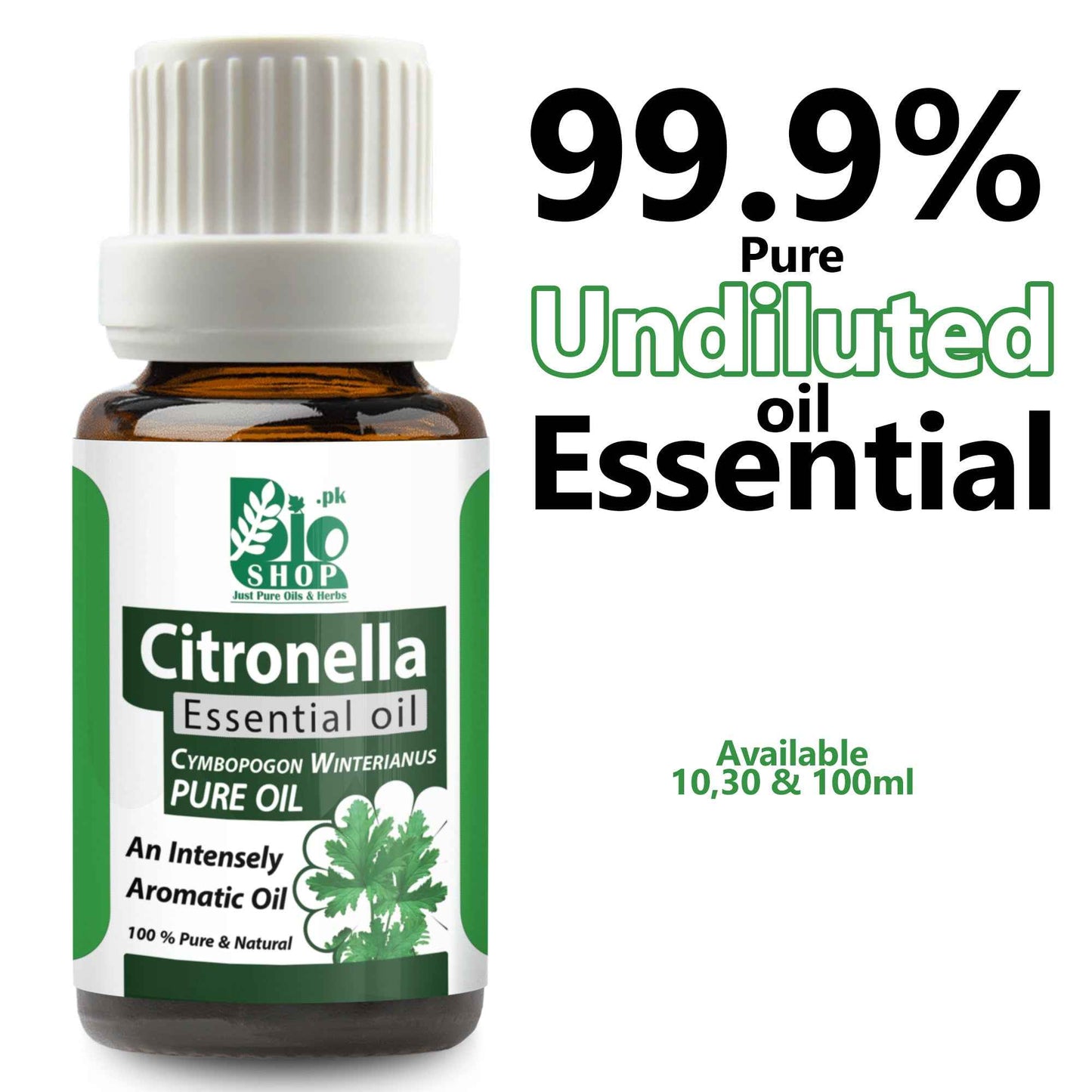
Citronella Essential Oil
Citronella Essential Oil
Olfactory Notes: Lemon-like and grassy; very fresh and slightly medicinal.
Couldn't load pickup availability


Explore
Information About Citronella Essential Oil
Key Features
✦ Steam-distilled natural essential oil from Cymbopogon winterianus (Java type) grass
✦ Rich in citronellal, geraniol, and citronellol — the core active insect-repellent compounds
✦ Delivers a fresh, lemon-citrus, slightly rosy-green scent profile widely recognized globally
✦ Primary ingredient in natural mosquito repellent candles, sprays, and functional blends
✦ Performs well in soaps, shampoos, floor cleaners, fabric fresheners, and reed diffusers
✦ Vegan and cruelty-free — 100% plant-derived from cultivated grass
✦ Cosmetic-grade quality supplied by Bio Shop Pakistan for DIY and professional use
About Citronella Essential Oil
Citronella Essential Oil has been used for well over a century as one of the earliest commercially traded essential oils from Southeast Asia. The Java type, distilled from Cymbopogon winterianus cultivated primarily in Indonesia, Sri Lanka, and China, became the global standard due to its superior yield of active constituents — particularly citronellal, which can reach 35–45% of total composition. Its use as a natural mosquito and insect deterrent gave it worldwide recognition long before synthetic repellents like DEET became available.
What distinguishes citronella from other citrus-family materials is its unusual duality — it functions simultaneously as a fragrance raw material and a functional active ingredient. The high geraniol content gives it a soft floral-rosy undertone that perfumers exploit in green, fougère, and fresh-oriental compositions. Citronellol adds a delicate, clean sweetness, while citronellal delivers the sharp lemony punch that defines the top note. This makes citronella one of the few natural materials that bridges functional formulation and artistic perfumery.
Bio Shop Pakistan supplies cosmetic-grade Citronella Essential Oil (Java type) suitable for DIY perfumers, soap makers, candle crafters, home care product developers, natural repellent formulators, and independent fragrance blenders looking for a versatile, high-impact natural material.
Olfactory Profile
SCENT DESCRIPTION : Citronella Essential Oil opens with a sharp, lemony-green burst driven by citronellal, instantly recognizable and energizing. The heart softens into a rosy-floral undertone contributed by geraniol and citronellol, adding unexpected elegance to what could otherwise be a purely functional material. A mild earthy, grassy drydown grounds the composition with a naturalness that synthetic citrus materials rarely replicate. The overall impression is clean, airy, and luminously fresh — evoking open fields and outdoor air.
NOTE POSITION : Top to Mid
FRAGRANCE FAMILY : Citrus · Green · Floral
FACETS : Lemony · Grassy-green · Rosy · Earthy · Fresh
TENACITY : Medium — 4 to 6 hours on skin; longer on fabric and in wax
SILLAGE : Medium — projects well initially with moderate trail; calms into a skin-close green-rosy drydown
Technical Specifications
Chemical Name : Essential oil of Cymbopogon winterianus (Java Citronella)
CAS Number : 91771-61-8 (Java type) / 8000-29-1 (general citronella oil)
Synonyms : Java Citronella Oil, Maha Pengiri Oil, Citronella Java, Citronella Grass Oil
Purity : Natural essential oil — min. 85% total active constituents (citronellal + geraniol + citronellol)
Appearance : Pale yellow to light amber clear mobile liquid
Odor Threshold : ~0.001 ppm (very low — highly detectable at trace levels)
Solubility : Insoluble in water; soluble in ethanol, fixed oils, and most carrier oils
Specific Gravity : 0.878 – 0.897 at 20°C (verify with supplier CoA)
Flash Point : ~77°C (verify with supplier CoA)
Type : Natural — steam distilled essential oil
Applications & Usage Guidelines
FUNCTIONAL FRAGRANCE : ★★★★★
Citronella is the backbone of the global insect-repellent fragrance segment. It performs with outstanding effectiveness in mosquito-repellent candles, body sprays, roll-ons, outdoor lotions, and diffuser blends. It is one of the most commercially important natural materials in functional fragrance formulation.
CANDLE & HOME FRAGRANCE : ★★★★★
Citronella candles are a product category in their own right. It performs exceptionally well in soy, paraffin, and coconut wax with excellent scent throw. Reed diffusers, room sprays, and wax melts benefit from its projecting, clean citrus-green character that freshens spaces naturally.
SOAP & RINSE-OFF : ★★★★☆
Citronella holds reasonably well through the cold-process soap cure and performs better in hot-process and melt-pour. It adds a fresh, green-citrus note to shampoo bars, liquid soaps, and body wash — and contributes mild antimicrobial character alongside its scent.
FINE FRAGRANCE : ★★★☆☆
Used as a supporting citrus-green top note in fougères, green chypres, aquatics, and herbal masculines. It is rarely used as a headline material in fine perfumery but contributes naturalistic brightness that synthetic citrus aroma chemicals often lack. IFRA limits at skin-contact concentrations should be observed.
COSMETICS & LEAVE-ON : ★★★☆☆
Used at careful levels in body lotions, insect-repellent creams, and outdoor skincare. Sensitization potential at elevated concentrations requires adherence to IFRA limits. Avoid use in leave-on facial products or near eyes. Not suitable for lip products.
IFRA & Usage Rate
RECOMMENDED USAGE RATES
EDP / Perfume : 1.0 – 2.0% (IFRA limit governs — do not exceed Cat 4 limit)
EDT / Cologne : 1.5 – 3.0%
Body Lotion (Leave-on) : 0.5 – 1.0%
Shampoo / Body Wash : 1.0 – 2.0%
Bar Soap (Rinse-off) : 2.0 – 3.0%
Candle (Wax) : 3.0 – 8.0% (non-skin contact — IFRA limits do not apply)
Reed Diffuser : 5.0 – 15.0% (non-skin contact)
Insect Repellent Spray : 5.0 – 10.0% (verify regulatory compliance by intended use)
IFRA 51ST AMENDMENT LIMITS (Java Citronella Oil — verify at ifrafragrance.org)
Category 1 (Lip products) : 0.2%
Category 2 (Deodorant / Armpit) : 0.7%
Category 3 (Eye area, baby products) : 0.3%
Category 4 (Fine fragrance) : 4.4%
Category 5A (Body lotion, leave-on) : 1.5%
Category 5B (Face moisturizer) : 0.7%
Category 5C (Hand cream) : 1.5%
Category 6 (Mouthwash) : Not recommended
Category 9 (Candle — non-skin) : No IFRA limit (not a skin contact product)
Category 11A (Fabric softener, rinse-off) : 2.0%
⚠️ Citronella Oil contains geraniol and citronellol, which are EU-listed fragrance allergens. Products above 0.001% (leave-on) or 0.01% (rinse-off) thresholds require allergen declaration on EU-market labels.
⚠️ Avoid use in lip products, eye-area products, and baby formulations except at very low levels as permitted above.
⚠️ Always perform patch testing guidance for customers in insect-repellent leave-on products.
Blending Guide
USAGE METHOD 1 — DIRECT IN ALCOHOL BASE
Add citronella EO directly to perfumer's alcohol (IPM or ethanol) at 1–3%. Allow 48 hours maceration before testing. Its top-note character blooms fastest in alcohol and integrates well with citrus co-materials like bergamot, lemon, and petitgrain.
USAGE METHOD 2 — WAX EMBEDDING FOR CANDLES
Add citronella at 4–8% to melted wax at 65–70°C. Stir thoroughly and pour at the correct temperature for your wax type. Citronella has a sufficiently high flash point to be safe in candle production under standard workshop conditions. Test hot throw with small batches before scaling.
USAGE METHOD 3 — FUNCTIONAL REPELLENT BLEND
Combine citronella with cedarwood, eucalyptus, and lavender in a carrier oil or hydrogel base for a natural mosquito-repellent blend. Use total essential oil load of 5–10% for repellent sprays. Citronella anchors the blend while the supporting materials extend duration and broaden the repellent spectrum.
BEST PAIRINGS
Eucalyptus Globulus → Amplifies fresh, camphoraceous-green character; classic repellent pairing
Cedarwood Atlas → Adds depth and longevity; anchors the citrus volatility
Lemongrass → Intensifies citrus-herbal punch; synergistic in diffuser blends
Lavender 40/42 → Softens and balances; adds floral breadth to sharp citronella top
Bergamot → Elevates into polished citrus perfume territory; refines the accord
Geranium Bourbon → Bridges citronella's rosy heart into an elegant floral-green accord
Patchouli → Contrasts and grounds the lightness; useful in oriental repellent blends
Tea Tree → Reinforces functional antimicrobial positioning in soap and wash applications
AVOID
✦ Avoid pairing with heavy animalic musks or leather materials — citronella's freshness conflicts with rich base heaviness
✦ Avoid overuse with synthetic aldehydes (C11, C12) — the combination can become harsh and chemical
Perfumer's Note
Citronella is one of those materials that most perfumers first encounter in a mosquito candle and then gradually learn to respect in the context of serious formulation. Its geraniol and citronellol skeleton gives it a genuinely rosy-floral character that sits beneath that recognizable lemony sharpness — and when you coax that heart out carefully, citronella becomes a legitimate bridge between citrus and floral families. I have used it in green fougères, in outdoor colognes, and in fresh oriental constructions where I needed natural texture without the cost of premium rose or geranium materials. It earns its place.
ADVANCED TIP : To suppress the recognizable insect-repellent association that many customers have with citronella, blend it as a minor supporting material — no more than 10–15% of your top-note bouquet — and surround it with bergamot, petitgrain, and a touch of violet leaf absolute. This disguises its functional signature and extracts only the clean, lemony-green brightness. A micro-dose of hedione or methyl dihydrojasmonate in the heart will further lift the blend away from functional territory and into fine fragrance space.
Safety & Storage
Physical State : Clear pale yellow to amber mobile liquid at room temperature
Skin Safety : Possible sensitizer at high concentrations — follow IFRA limits strictly; dilute before all skin contact
Eye Contact : Irritant — avoid contact; flush with water for 15 minutes if exposure occurs; seek medical attention
Ingestion : Not for internal use — keep away from children; contact Poison Control if ingested
Ventilation : Use in well-ventilated area; avoid prolonged inhalation of undiluted vapors
Storage : Store in a cool, dark location away from heat and direct sunlight; 10–20°C ideal
Shelf Life : 2–3 years from manufacture when stored correctly in sealed container; citronellal may oxidize over time
Container : Store in amber glass, HDPE, or stainless steel — avoid PVC and soft plastic
Flammability : Combustible liquid — flash point ~77°C; keep away from open flame and sparks
FAQ
Q: What is the difference between Ceylon and Java Citronella Oil?
A: Ceylon type comes from Cymbopogon nardus and has a softer, slightly rooty scent with lower citronellal content. Java type from Cymbopogon winterianus has higher citronellal (35–45%) and geraniol, making it stronger, more effective as a repellent, and more widely used commercially. Bio Shop Pakistan supplies the Java type.
Q: Can I use citronella essential oil directly on skin without diluting?
A: No. Always dilute in a carrier oil or lotion base before skin application. Undiluted citronella can cause sensitization or irritation. For leave-on products, stay within IFRA Category 5A limits of 1.5% maximum.
Q: How much citronella should I use in a soy candle?
A: A typical usage rate is 4–8% by weight of wax for a noticeable scent throw. Start at 5% for testing. Citronella has good performance in soy and performs even better in paraffin blends.
Q: Does citronella essential oil actually repel mosquitoes?
A: Yes — citronellal, geraniol, and citronellol all have documented insect-repellent properties. However, efficacy in topical applications is shorter-lived than synthetic repellents like DEET. It works best in candles, diffusers, and repellent sprays where continuous volatilization maintains presence.
Q: How does natural Citronella Essential Oil compare to synthetic citronella aroma chemicals like Citronellal isolate?
A: Synthetic citronellal isolate delivers a sharper, more concentrated lemon-green punch but lacks the rosy complexity from geraniol and citronellol. Natural citronella oil is a complete, rounded material with more fragrance depth. For functional repellent formulations, synthetic isolates give higher potency per gram. For fragrance and soap applications, natural citronella oil generally gives a more pleasing, fuller result.
Where Can You Safely Use Citronella Essential Oil?
Discover how Citronella Essential Oil performs across different applications—rated for safety, stability, and effectiveness.
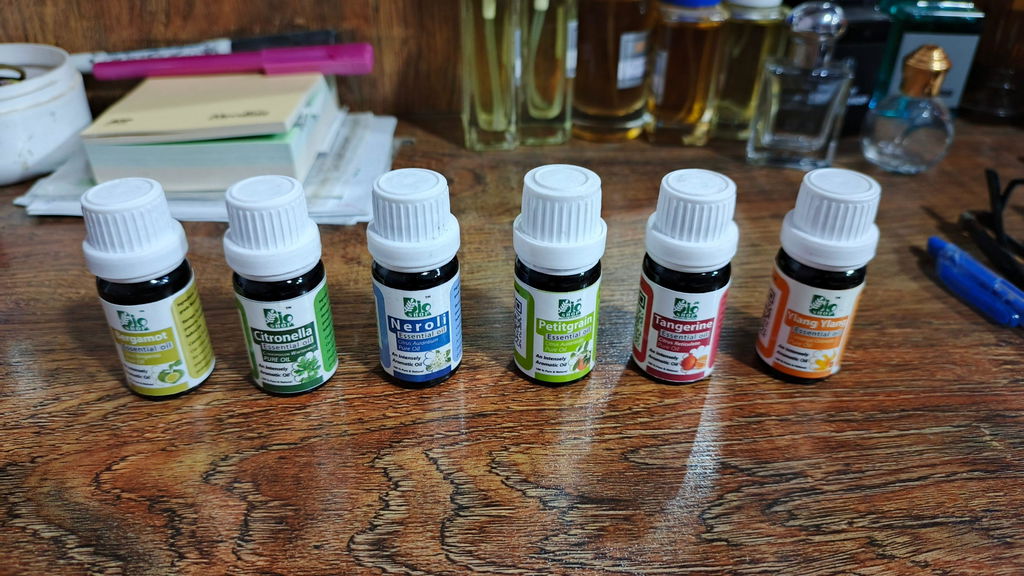
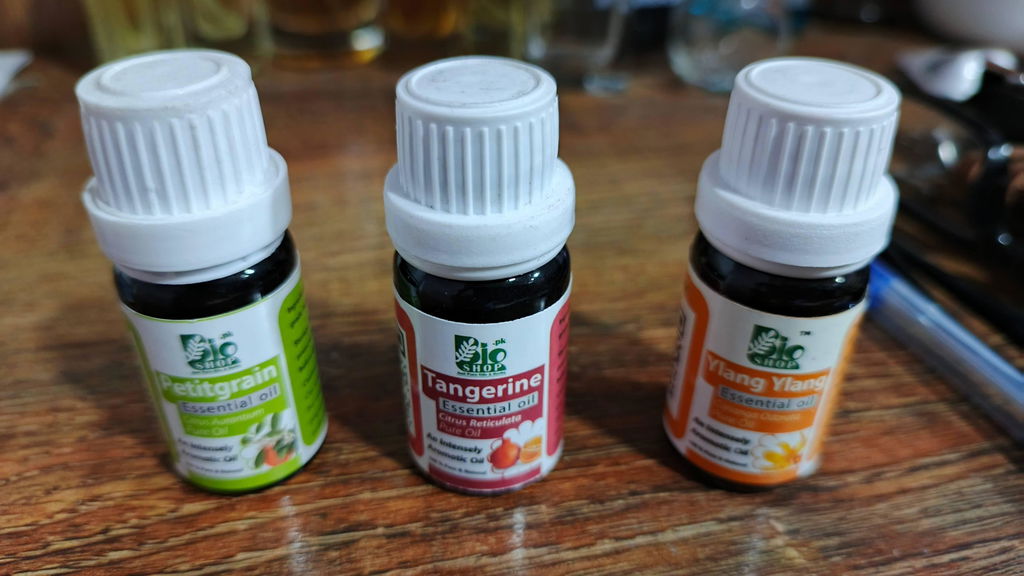
Sir, I bought 6 oils from you. Bergamot, Citronella, Neroli, Petitgrain, Tangerine and YaIang Yalang, and I searched many companies before buying these oils, out of which your product rating was the highest and the price was very reasonable, that's why I chose Bio Shop, the packaging of the oil is very good and beautiful and the oil quality is also very good, I used this oil in perfume and diffuser and I got very good results from it, it is a good product that can be trusted blindly.
Thumbs up 👍 and Highly recommend.
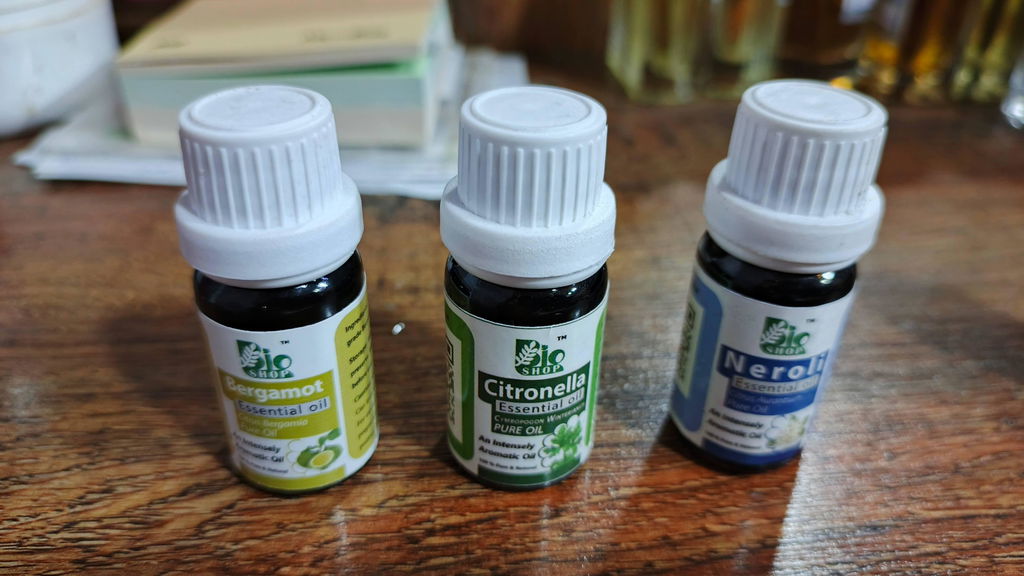
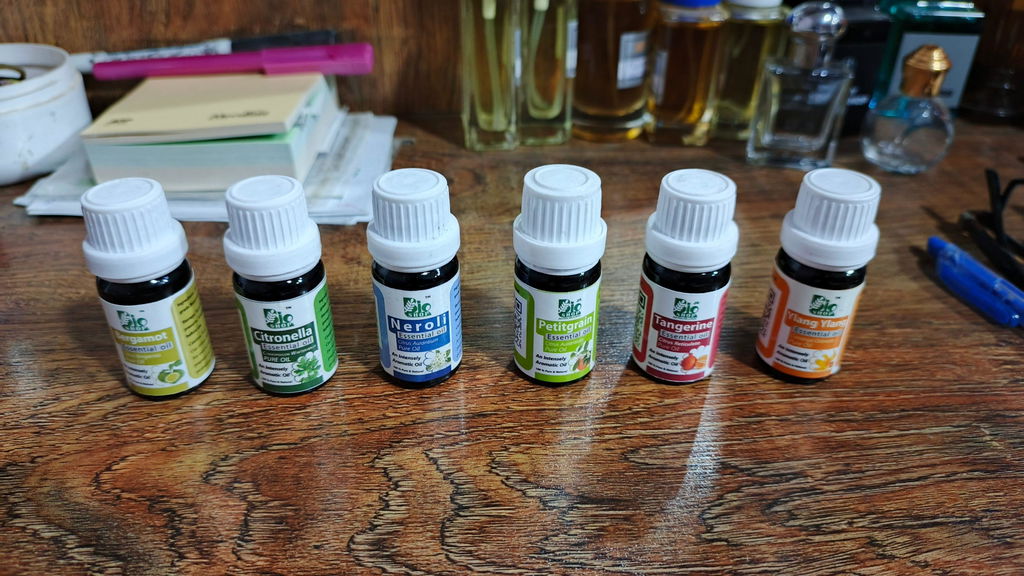
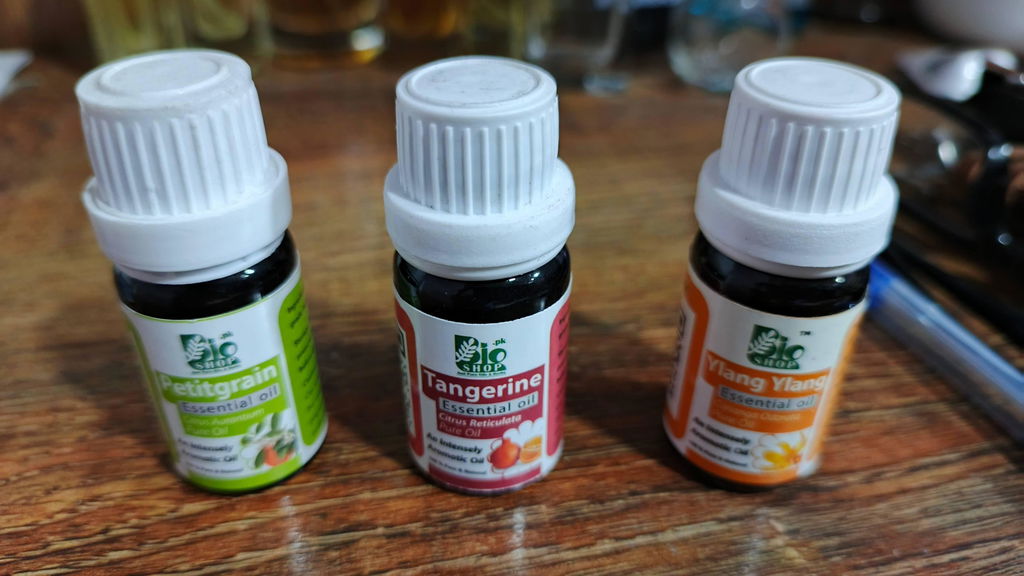
Found the oil good and effective.