Bio Shop
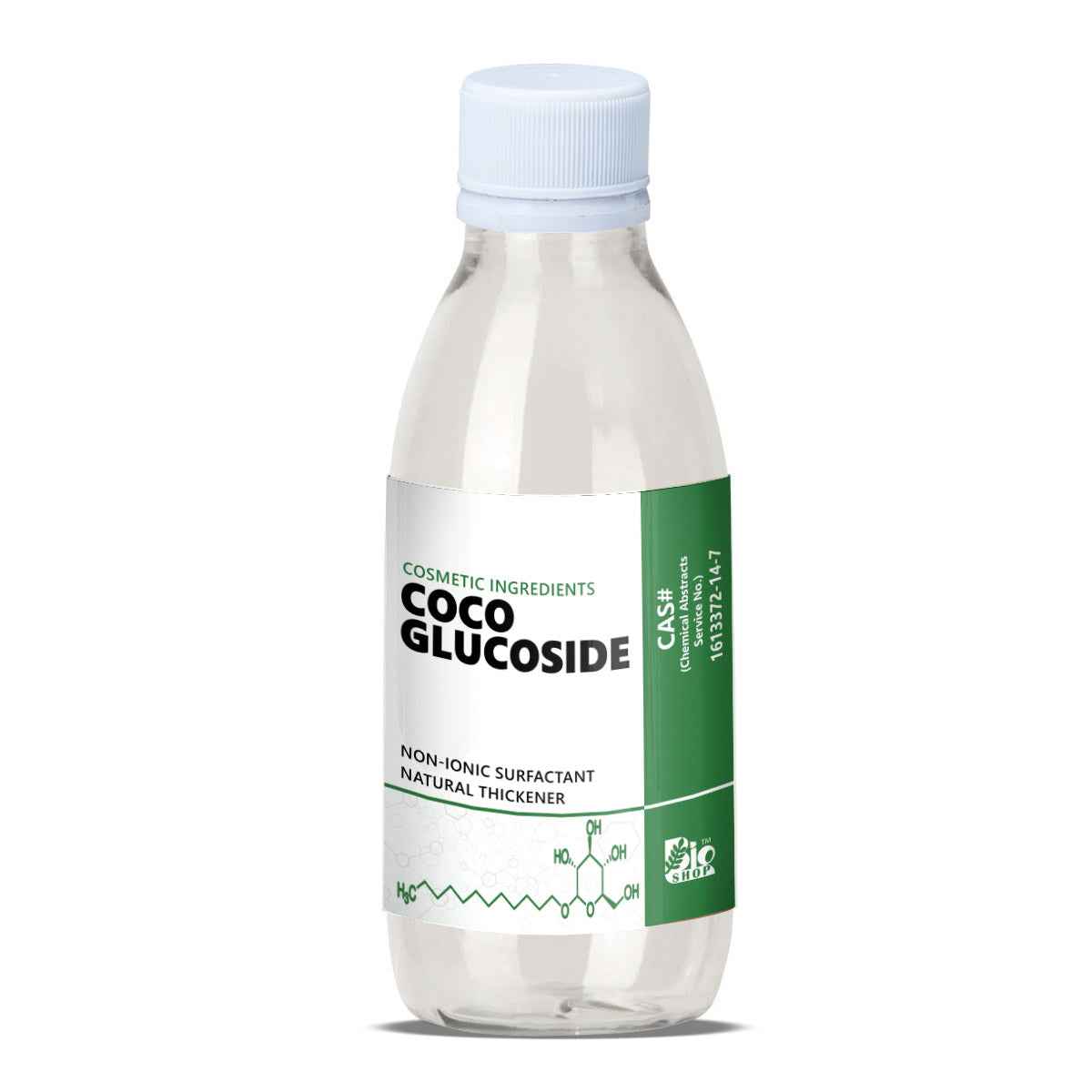
Coco Glucoside
Coco Glucoside
Key Functions: Gently cleanses, boosts foam, conditions skin, and enhances mildness.
Couldn't load pickup availability


Explore
Information About Coco Glucoside
✅ Key Features
✦ Ultra-mild non-ionic surfactant that cleanses without stripping the skin's natural moisture barrier
✦ Derived from 100% renewable plant sources — coconut oil and glucose — and fully biodegradable
✦ Produces a soft, stable lather ideal for sensitive, baby, and reactive skin types
✦ Compatible with anionic, amphoteric, and non-ionic surfactant systems for versatile multi-surfactant blending
✦ Meets COSMOS, NATRUE, and ECOCERT natural origin certification requirements — vegan and cruelty-free
✦ No known EU allergen listing; one of the lowest irritation-potential surfactants in cosmetic use
✦ Suitable for rinse-off applications and certain low-concentration leave-on formats including micellar waters
🔬 Description
Coco Glucoside is a naturally derived non-ionic surfactant belonging to the alkyl polyglucoside (APG) family. It is produced by reacting coconut-derived fatty alcohols spanning C8 to C16 chain lengths with glucose sourced from corn or wheat starch through a Fischer glycosidation reaction. This green chemistry process yields a surfactant that is both high-performing and ecologically responsible. Used commercially in cosmetics since the early 1990s, Coco Glucoside has become a foundational ingredient in natural, organic, and baby care formulation across the global industry.
What distinguishes Coco Glucoside from conventional synthetic surfactants is its exceptionally low irritation potential. Clinical and in-vitro studies consistently rank alkyl polyglucosides among the mildest surfactants available, making them the preferred choice for sensitive skin cleansers, pediatric formulations, and intimate hygiene products. It produces a creamy, stable foam, can function as a co-emulsifier in select systems, and measurably improves the skin compatibility of blended surfactant formulas when used alongside anionic or amphoteric co-surfactants.
Bio Shop Pakistan supplies cosmetic-grade Coco Glucoside suitable for DIY cosmetic formulators, professional beauty chemists, natural brand developers, and soap makers seeking a certified plant-based surfactant solution.
📊 Technical Data
INCI Name : Coco-Glucoside
Chemical Name : Alkyl polyglucoside (C8–C16 coconut-derived fatty alcohols reacted with glucose)
CAS Number : 110615-47-9 (verify with supplier for specific blend composition)
Molecular Formula : Not Applicable (complex mixture of C8–C16 alkyl glucosides)
Appearance : Clear to slightly hazy, pale yellow viscous liquid
Odor : Mild, faintly characteristic
pH (1% solution) : ~10.0–11.5 (neat concentrate); adjust finished formulation to pH 5.5–6.5
Solubility : Freely soluble in water; insoluble in oils and anhydrous systems
Specific Gravity : 1.06–1.09 (50–70% active solution at 20°C)
Flash Point : >100°C
HLB Value : ~13–14
Recommended Use Level : 2–20% (2–5% as co-surfactant; 8–15% as primary cleanser in rinse-off)
Type : Non-ionic alkyl polyglucoside surfactant
Shelf Life : 24 months (sealed original container, stored cool and dry)
🧪 Recommended Usage
Skincare (Cleansers, Micellar Water, Face Wash) ★★★☆☆
Coco Glucoside is not a primary ingredient in leave-on skincare but performs well at 1–3% in micellar cleansing formulas and at 8–12% in gel-based facial cleansers. Combine with Allantoin and Aloe Vera to offset the cleansing effect and support post-wash hydration.
Haircare (Shampoo, Conditioner, Scalp Care) ★★★★★
It is an ideal surfactant base for sulfate-free shampoos and scalp cleansers, delivering a mild, stable lather safe for color-treated, damaged, or sensitive scalps. Combine with Cocamidopropyl Betaine at a 2:1 ratio to boost foam volume, viscosity response, and conditioning performance.
Soap Making (Syndet Bars, Liquid Cleansing Bars) ★★★☆☆
Coco Glucoside is not suitable for traditional saponification-based cold process or melt-and-pour soap but integrates well into syndet (synthetic detergent) bar and liquid cleansing bar formulations. Use at 10–20% in syndet systems to produce a mild, structured cleansing bar.
Body Care (Body Wash, Shower Gel, Exfoliating Scrub) ★★★★☆
It serves as an excellent primary surfactant in body washes, shower gels, and scrub bases where thorough yet gentle cleansing is required. Add at 10–15% to a glycerin and water base and layer in a physical exfoliant such as sugar or salt for a smooth dual-action formula.
Functional Cosmetics (Baby Care, Intimate Hygiene, Micellar Water) ★★★★★
Coco Glucoside's ultra-mild profile makes it the preferred choice for baby shampoos, tearless washes, intimate cleansers, and micellar water formats where skin tolerance cannot be compromised. At 5–10%, it delivers effective cleansing with minimal irritation risk across the most sensitivity-critical applications.
💡 Pro Tip
When I formulate with Coco Glucoside professionally, pH management is always my first non-negotiable step. The raw material arrives at a highly alkaline pH — often above 11 — which is incompatible with the skin's acid mantle, most cosmetic actives, and many preservative systems. I always prepare a 10–20% citric acid solution and add it dropwise to the finished formula while monitoring with a calibrated pH meter until I reach 5.5–6.5. I also rarely use Coco Glucoside as a standalone surfactant. Pairing it with Cocamidopropyl Betaine at a 60:40 ratio consistently improves foam quality, skin feel, and viscosity buildability compared to either surfactant used alone.
ADVANCED TIP: Salt thickening is completely ineffective with APG surfactants — do not waste time troubleshooting it. Instead, to build viscosity in a Coco Glucoside shampoo, incorporate 0.5–1.5% Hydroxyethylcellulose dispersed in glycerin before hydration, or use 0.3–0.8% Carbomer pre-neutralized to pH 6.0 with Sodium Hydroxide solution. For a natural certification-compliant thickener, Xanthan Gum at 0.3–0.5% in the cool-down phase also works effectively without compromising the formulation's mildness profile.
👩🔬 Skin Type Suitability
Normal Skin : ★★★★★ — Performs excellently as a daily cleanser, delivering a thorough yet balanced cleanse with no post-wash tightness or irritation.
Dry Skin : ★★★★☆ — Gentle enough to avoid over-stripping, though pairing with humectants and barrier-supportive actives in the formula is strongly recommended.
Oily Skin : ★★★★☆ — Effectively removes excess sebum and surface impurities without triggering the rebound oil production commonly associated with harsher sulfate surfactants.
Combination : ★★★★★ — Suited to both oily and drier facial zones; its balanced cleansing action handles the variable surface conditions of combination skin without bias.
Sensitive Skin : ★★★★★ — Among the mildest surfactants commercially available, with a consistently low irritation and sensitization profile confirmed across clinical testing studies.
Mature Skin : ★★★★☆ — Appropriate for mature skin with reduced barrier function; combine with ceramide or peptide actives in the formulation to support barrier recovery after cleansing.
Acne-Prone : ★★★★☆ — Non-comedogenic and non-stripping, making it a notably better choice than sulfate-based cleansers that can disrupt the barrier and trigger reactive sebum overproduction.
🧴 Formulation Ideas
CONCEPT 1: Tearless Baby Wash and Shampoo
Usage Level : 10%
Key Ingredients: Cocamidopropyl Betaine 5%, Glycerin 3%, Panthenol 1%, Chamomile Extract 2%
Result : An ultra-mild 2-in-1 baby cleanser with a soft, stable lather that cleanses gently without irritating eyes or compromising sensitive infant skin.
CONCEPT 2: Natural Micellar Cleansing Gel
Usage Level : 12%
Key Ingredients: Aloe Vera Juice 60%, Sodium PCA 2%, Allantoin 0.5%, Cucumber Extract 2%
Result : A lightweight transparent gel cleanser that lifts makeup and environmental impurities while leaving skin calm, hydrated, and non-stripped post-rinse.
CONCEPT 3: Sulfate-Free Strengthening Shampoo
Usage Level : 15%
Key Ingredients: Cocamidopropyl Betaine 8%, Hydrolyzed Wheat Protein 2%, Panthenol 1%, Argan Oil 1%
Result : A creamy, sulfate-free shampoo that thoroughly cleanses the scalp while strengthening the hair shaft and reducing mechanical breakage with consistent use.
💧 Safety and Regulatory:
INCI Declared : Yes — mandatory declaration on all finished cosmetic product labels at any concentration
EU Cosmetics Reg : Permitted — no restriction listed in Annexes of EU Regulation 1223/2009; approved for rinse-off and leave-on cosmetic use
Rinse-Off Limit : No limit established; industry standard use up to 20% in rinse-off applications
Leave-On Limit : No limit established; typically used at 1–5% in leave-on or micellar formats
Allergen Alert : No — not listed as a declared fragrance allergen or restricted substance under EU Cosmetics Regulation
Skin Safety : Safe at recommended use levels; finished formulation must be adjusted to pH 5.5–6.5 before use
Eye Area Use : Use with caution — mild profile but not certified ophthalmic-grade; avoid direct contact with undiluted raw material
Ingestion : Not for internal use
Pregnancy Use : Generally considered safe in topical rinse-off formulations; consult physician before use in leave-on products during pregnancy
Child Safety : Suitable for infant use in properly formulated, pH-adjusted finished products; do not apply undiluted raw material
Ventilation : Not required under standard handling and formulation conditions
Storage : Store between 10°C and 25°C in a cool, dry location; avoid freezing and prolonged exposure to heat
Container : HDPE or PET — do not store in reactive metal containers
⚠️ Raw material pH exceeds 11.5 in concentrated form. Always adjust finished formulation to pH 5.5–6.5 using citric acid solution before product use. Do not apply undiluted raw material directly to skin. Keep out of eyes during handling and formulation.
Stability and Compatibility
Working pH Range : 4.0–8.0 (optimal performance and stability at pH 5.0–7.0)
Heat Stability : Stable up to 80°C; can be incorporated into hot or cold phase without degradation
Freeze-Thaw Stable : Yes — product may develop slight haze when cold; clarity and performance restore at room temperature
Emulsion Type : O/W (functions as co-surfactant and secondary co-emulsifier in oil-in-water systems)
Emulsification Phase: Either (compatible with both hot and cold process manufacturing)
Compatible With : Anionic surfactants (Sodium Cocoyl Isethionate, Sodium Cocoyl Glutamate), amphoteric surfactants (Cocamidopropyl Betaine), humectants (Glycerin, Propylene Glycol), botanical extracts, most broad-spectrum preservative systems
Incompatible With : High concentrations of cationic surfactants; elevated electrolyte levels (salt thickening is ineffective and may destabilize); uncontrolled addition of strong acids or bases
Oxidation Risk : Low — no antioxidant addition required for the surfactant itself; protect heat- or oxygen-sensitive co-ingredients separately
Discoloration Risk : Possible — slight yellow-brown tint may develop above 80°C or under prolonged direct UV or light exposure; store away from direct sunlight
Formulation Notes : Always neutralize the finished formula to pH 5.5–6.5 using dilute citric acid solution; salt thickening is not functional with APG surfactants — use polymeric thickeners such as HEC, Xanthan Gum, or Carbomer instead.
❓ FAQs
Q: What is Coco Glucoside and where does it come from?
A: Coco Glucoside is a non-ionic surfactant produced by reacting coconut-derived fatty alcohols (C8–C16) with glucose from corn or wheat starch through a Fischer glycosidation process. It is 100% plant-derived, fully biodegradable, and approved under COSMOS and ECOCERT natural certification standards.
Q: Can Coco Glucoside be used to make baby products?
A: Yes — it is one of the most recommended surfactants for tearless baby washes and infant shampoos due to its clinically documented low irritation profile. Ensure the finished formulation is pH-adjusted to 5.5–6.5 and conduct full stability and safety testing before commercial use on infants.
Q: Why is my Coco Glucoside shampoo not thickening with salt?
A: Alkyl polyglucosides including Coco Glucoside do not respond to sodium chloride salt thickening, which works specifically with anionic sulfate surfactants. Use Hydroxyethylcellulose at 0.5–1.5%, Xanthan Gum at 0.3–0.5%, or pre-neutralized Carbomer at 0.3–0.8% to achieve the desired viscosity.
Q: What pH must my finished formula reach before it is safe to use on skin?
A: The raw material arrives at a highly alkaline pH above 11, which is incompatible with the skin's natural acid mantle and most cosmetic actives. You must adjust your finished product to a pH of 5.5–6.5 using a dilute citric acid solution before the product is safe or effective for skin application.
Q: How does Coco Glucoside compare to Decyl Glucoside?
A: Both are alkyl polyglucosides with similar mildness, natural origin, and green chemistry credentials, but they differ in fatty alcohol chain length — Coco Glucoside covers C8–C16 from coconut while Decyl Glucoside is exclusively C10. Coco Glucoside delivers a slightly richer foam and broader cleansing action, while Decyl Glucoside is considered marginally milder and is more frequently specified in ultra-sensitive or pediatric formulations.
Where Can You Safely Use Coco Glucoside
Discover how Coco Glucoside performs across different products — rated for safety, stability, and effectiveness.
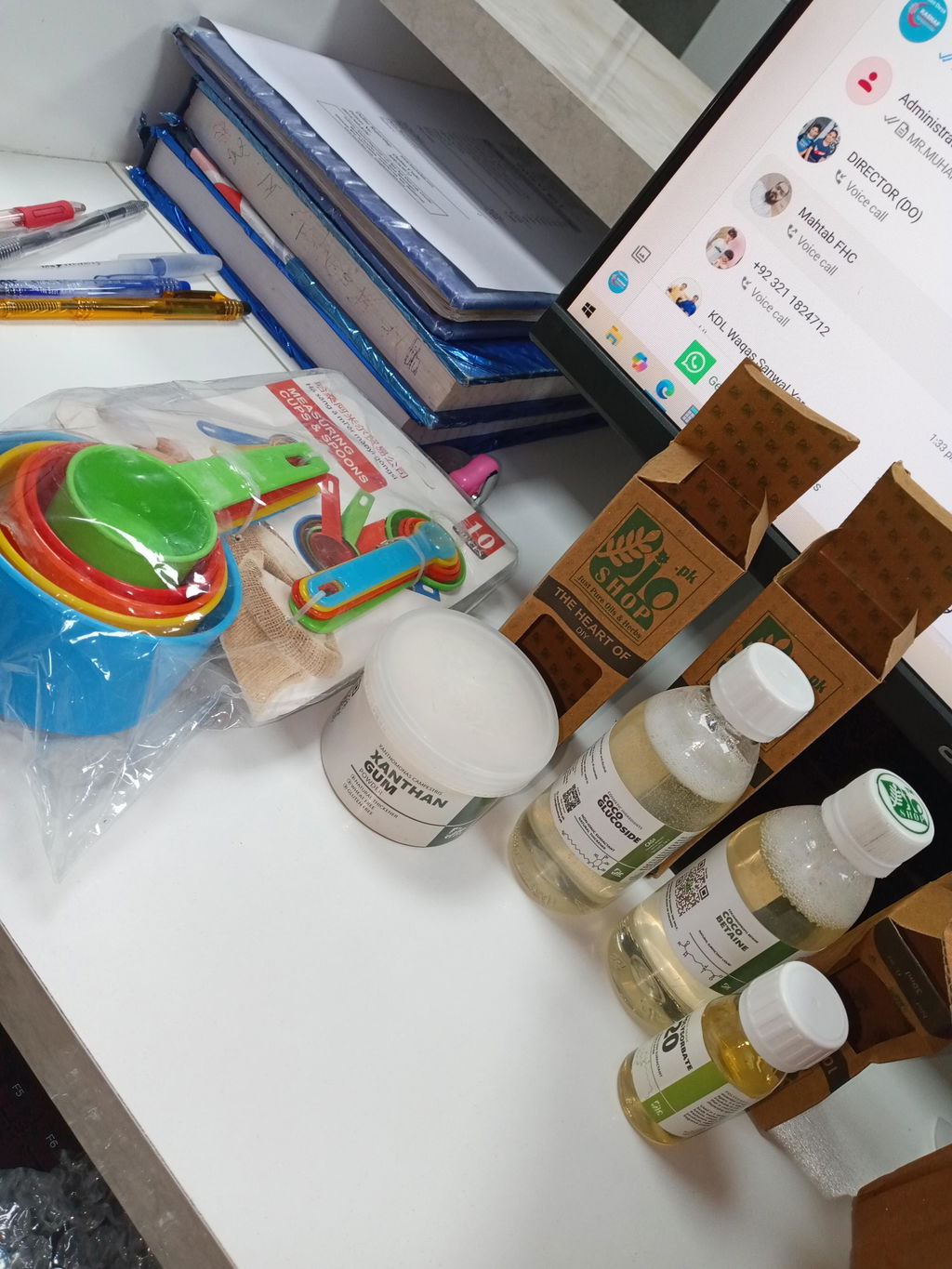
I ordered multiple items to make face wash,body lotion and scrub , face cream and masks , hair conditioner and shampoo. Bioshop products quality is really admirable.
Its my 2 oder . I bought multiple products excellent Quality and trust worthy things in affordable price . And their team is also alert give quick response and coprate for adition something. Thanks am satisfied
Outstanding