Bio Shop
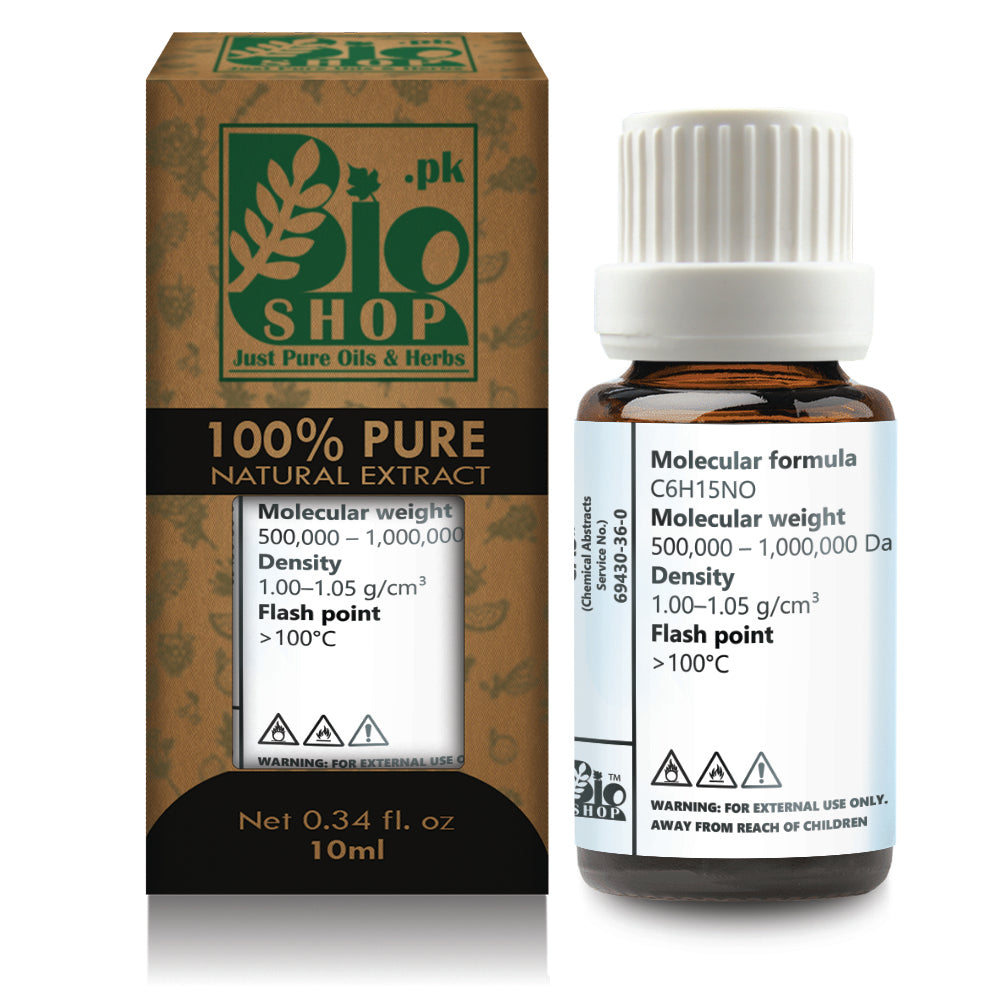
Keratin ( Hydrolyzed Keratin )
Keratin ( Hydrolyzed Keratin )
Key Functions: Repairs damaged hair, strengthens protein bonds, conditions skin, and improves elasticity.
Couldn't load pickup availability

Explore
Information About Keratin ( Hydrolyzed Keratin )
✅ Key Features
✦ Penetrates the hair cortex to repair internal protein bonds weakened by chemical, thermal, or mechanical damage.
✦ Rich in sulfur-containing amino acids including cysteine, which cross-link with keratin structures in hair and nails.
✦ Forms a protective film on hair and skin surfaces, reducing moisture loss and improving combability and softness.
✦ Substantive to both hair and skin, meaning it binds effectively even in rinse-off applications.
✦ Suitable for shampoos, conditioners, hair masks, leave-in treatments, serums, and nail strengtheners.
✦ Derived from animal sources (wool, feathers); a vegan alternative sourced from plant proteins is available separately.
✦ Highly water-soluble and compatible with a broad range of cosmetic systems including surfactant bases and emulsions.
🔬 Description
Hydrolyzed Keratin is a proteinaceous active derived from keratin-rich animal materials such as sheep wool, poultry feathers, or human hair. The raw material undergoes controlled hydrolysis — either alkaline, acid-based, or enzymatic — which cleaves the high-molecular-weight keratin chains into shorter peptide fragments and individual amino acids. The resulting product is water-soluble, easily incorporated into aqueous cosmetic systems, and has been a cornerstone of professional hair repair technology since the mid-20th century when protein-based conditioning treatments became standard in salon chemistry.
What distinguishes hydrolyzed keratin from other hydrolyzed proteins is its amino acid profile. It is exceptionally rich in cysteine, a sulfur-containing amino acid that participates directly in disulfide bond formation — the same bonds that give hair its structural integrity and are disrupted by bleaching, colouring, perming, and heat styling. When applied topically, the smaller peptide fractions adsorb onto the hair surface and partially diffuse into the cortex, partially restoring tensile strength, reducing porosity, and improving surface smoothness. In skin care, the hygroscopic amino acids attract and retain moisture, while the film-forming fraction reinforces the stratum corneum.
Bio Shop Pakistan supplies cosmetic-grade Hydrolyzed Keratin suitable for professional cosmetic chemists, independent hair care brands, salon product developers, and advanced DIY formulators.
📊 Technical Data
INCI Name : Hydrolyzed Keratin
Chemical Name : Hydrolyzed Keratin (protein hydrolysate)
CAS Number : 69430-36-0
Molecular Formula : Complex protein mixture — no single molecular formula
Appearance : Pale yellow to amber clear liquid (or off-white powder in dry form)
Odor : Faint characteristic proteinaceous odor
pH (1% solution) : 4.0 – 7.0 (varies by supplier grade and form)
Solubility : Freely soluble in water; insoluble in oils
Specific Gravity : 1.02 – 1.06 (liquid form at 25°C)
Flash Point : Not applicable (aqueous solution)
HLB Value : Not applicable
Recommended Use Level : 1% – 5% leave-on; 1% – 10% rinse-off
Type : Protein active / Conditioning agent / Film-former
Shelf Life : 12 – 24 months (unopened, stored correctly)
🧪 Recommended Usage
Haircare (Shampoo, Conditioner, Masks)
★★★★★
Hydrolyzed Keratin is most effective in hair care, delivering substantive conditioning in both rinse-off and leave-on systems. Use at 2% – 5% in conditioners and masks for visible repair of damaged, porous, or chemically treated hair.
Skincare (Creams, Serums, Lotions)
★★★★☆
The amino acid content supports skin hydration and barrier reinforcement, making it a useful addition to facial serums and moisturizers. Incorporate at 1% – 3% in the aqueous phase for moisturizing and smoothing benefits.
Body Care (Scrubs, Butters, Balms)
★★★☆☆
Hydrolyzed Keratin can be added to body lotions and light balms for skin-smoothing benefits, though its film-forming properties are less critical in this category. Use at 1% – 2% where skin conditioning is a secondary benefit.
Functional Cosmetics (Nail Strengtheners, Cuticle Treatments)
★★★★☆
Nail plates share structural similarities with hair keratin, making this ingredient highly relevant to nail care formulations. Use at 3% – 5% in nail serums and hardening treatments to improve nail flexibility and reduce brittleness.
Soap Making (Cold Process, Melt and Pour)
★★☆☆☆
Hydrolyzed Keratin can be incorporated into melt and pour soap bases for a marketing claim and mild conditioning benefit, though high-alkalinity environments in cold process soap may degrade the peptide chains. For cold process use, add to the superfat stage at low usage levels of 0.5% – 1%.
💡 Pro Tip
When I formulate with hydrolyzed keratin for a hair repair line, I always pay close attention to molecular weight. Lower molecular weight hydrolysates — those closer to individual amino acids and dipeptides — penetrate the hair shaft more effectively and are best suited for damaged, high-porosity hair that needs internal repair. Higher molecular weight fractions are more substantive to the hair surface, contributing to smoothness, gloss, and frizz reduction. In a well-designed system, combining both fractions gives you dual-action performance: internal reconstruction and surface conditioning in a single formula.
ADVANCED TIP: In a concentrated leave-in hair treatment, combine Hydrolyzed Keratin at 4% with hydrolyzed wheat protein at 2% and panthenol at 3% in a lightweight aqueous base buffered to pH 4.5 – 5.0. Acidic pH improves keratin substantivity to the hair shaft by reducing negative charge repulsion, maximizing deposition. Add a cationic polymer such as polyquaternium-10 at 0.3% to boost retention during rinse-off and extend repair benefit across multiple washes.
👩🔬 Skin Type Suitability
Normal Skin : ★★★★★ — Delivers balanced moisture and surface smoothing without disrupting a healthy skin barrier.
Dry Skin : ★★★★★ — The hygroscopic amino acid content draws in atmospheric moisture and reinforces barrier function to reduce transepidermal water loss.
Oily Skin : ★★★☆☆ — Provides light conditioning without occlusion, though heavy usage levels may contribute to a film feel that some oily skin types find uncomfortable.
Combination : ★★★★☆ — Works well in lightweight serums and gel moisturizers targeting combination skin, supporting hydration in dry zones without congesting oily areas.
Sensitive Skin : ★★★★☆ — Generally well-tolerated due to its proteinaceous, skin-identical amino acid composition, though patch testing is advisable as rare protein sensitivities exist.
Mature Skin : ★★★★★ — Supports the appearance of elasticity and firmness while improving surface texture and moisture retention in aging skin.
Acne-Prone : ★★★☆☆ — Non-comedogenic in low usage levels, but formulation vehicle matters; avoid heavy emulsions and keep concentration at or below 2% in leave-on products for this skin type.
🧴 Formulation Ideas
CONCEPT 1: Keratin Reconstructing Hair Mask
Usage Level : 5%
Key Ingredients: Hydrolyzed Keratin, Cetearyl Alcohol, Behentrimonium Chloride, Panthenol, Argan Oil
Result : A rich, deeply conditioning hair mask that visibly repairs breakage, restores shine, and improves combability in chemically damaged or heat-stressed hair after a single use.
CONCEPT 2: Protein-Boost Leave-In Hair Serum
Usage Level : 3%
Key Ingredients: Hydrolyzed Keratin, Hydrolyzed Wheat Protein, Polyquaternium-10, Provitamin B5, Glycerin
Result : A lightweight, non-greasy leave-in serum that strengthens hair fibers, reduces frizz, and provides ongoing thermal protection for color-treated and bleached hair types.
CONCEPT 3: Barrier-Repair Skin Serum
Usage Level : 2%
Key Ingredients: Hydrolyzed Keratin, Niacinamide 5%, Hyaluronic Acid, Allantoin, Pentylene Glycol
Result : A hydrating facial serum that combines protein-based barrier support with humectancy and brightening for visibly smoother, plumper skin within two to four weeks of regular use.
💧 Safety and Regulatory:
INCI Declared : Yes — must be declared on finished product label at all usage levels
EU Cosmetics Reg : Permitted — not listed in Annexes II, III, or IV; no concentration restriction applies under current Regulation (EC) No 1223/2009
Rinse-Off Limit : No established limit; typical use 1% – 10%
Leave-On Limit : No established limit; typical use 1% – 5%
Allergen Alert : Yes — rare protein hypersensitivity reactions are possible; individuals with known wool or feather allergies should exercise caution
Skin Safety : Safe at recommended use levels; patch test advised for sensitive individuals
Eye Area Use : Use with caution — avoid high concentrations near the eye; well-tolerated at low levels in eye-contour products
Ingestion : Not for internal use
Pregnancy Use : Safe for topical application at standard cosmetic levels; no known contraindications
Child Safety : Safe for children above 3 years at standard dilution; avoid high-concentration leave-on applications for infants
Ventilation : Not required under normal cosmetic handling conditions
Storage : Cool, dry place away from direct heat and light; refrigeration recommended for liquid forms after opening
Container : HDPE or PET containers preferred; avoid reactive metal containers that may disrupt pH
⚠️ Individuals with known hypersensitivity to wool-derived or feather-derived proteins should avoid products containing animal-origin hydrolyzed keratin. In high-alkalinity systems such as cold process soap, peptide chain degradation may reduce efficacy and product integrity; verify functional claims post-formulation.
Stability and Compatibility
Working pH Range : 4.0 – 7.0 (optimal substantivity at 4.5 – 5.5 for hair applications)
Heat Stability : Moderately stable; avoid prolonged exposure above 60°C; add in cool-down phase where possible
Freeze-Thaw Stable : No — repeated freeze-thaw cycles may cause precipitation or turbidity in liquid form
Emulsion Type : O/W and W/O — add to the aqueous phase
Emulsification Phase: Cold or warm phase; add after emulsification below 50°C to preserve peptide integrity
Compatible With : Cationic conditioners, humectants (glycerin, panthenol), hydrolyzed proteins, mild anionic and amphoteric surfactants, chelating agents (EDTA)
Incompatible With : Strong oxidizing agents (high-concentration hydrogen peroxide, persulfate bleaches); highly alkaline systems above pH 9; heavy metal ions at elevated concentrations
Oxidation Risk : Low — no significant autoxidation pathway; antioxidants not typically required
Discoloration Risk : Possible — may deepen to amber or light brown at elevated temperatures above 70°C or in high-alkalinity environments
Formulation Notes : Buffering the finished formulation to pH 4.5 – 5.5 maximizes protein adsorption onto hair and skin surfaces. In surfactant-heavy rinse-off systems, pair with a cationic deposition aid to improve substantivity and retain benefit after washing.
❓ FAQs
Q: What is the difference between hydrolyzed keratin and regular keratin protein?
A: Native keratin is insoluble and cannot be incorporated into water-based cosmetic formulas. Hydrolysis breaks it into smaller, water-soluble peptide chains and amino acids that can penetrate hair and skin, making the active ingredient functionally deliverable in topical products.
Q: Can hydrolyzed keratin truly repair chemically damaged hair?
A: It significantly improves the condition of damaged hair by depositing amino acids within the hair shaft, restoring tensile strength, reducing porosity, and improving surface smoothness, though it cannot fully reverse covalent bond damage. Consistent use over multiple applications produces the most measurable results.
Q: At what percentage should I use hydrolyzed keratin in a leave-in conditioner?
A: A level of 2% – 4% is effective for leave-in applications; going above 5% in leave-on products can occasionally cause a stiff or tacky film. Always adjust based on the molecular weight of your specific keratin grade, as higher molecular weight forms require lower concentrations to avoid buildup.
Q: Is hydrolyzed keratin suitable for use in facial skin care products?
A: Yes, it performs well in facial serums and moisturizers at 1% – 3%, contributing moisture retention, barrier support, and a subtle film-forming effect. It is not a primary active for brightening or anti-aging but works effectively as a supporting conditioning ingredient alongside actives such as niacinamide or peptides.
Q: How does hydrolyzed keratin compare to hydrolyzed wheat protein or hydrolyzed silk?
A: Hydrolyzed keratin has a uniquely high cysteine content that makes it specifically substantive to hair and nail tissue, where native keratin is the primary structural protein. Hydrolyzed wheat protein has a higher glutamine content and is particularly effective for strengthening and volume, while hydrolyzed silk offers a finer, silkier slip. For targeted hair repair, hydrolyzed keratin is the most structurally relevant choice; many professional formulas combine all three for comprehensive protein treatment.
Where Can You Safely Use Keratin ( Hydrolyzed Keratin )
Discover how Keratin ( Hydrolyzed Keratin ) performs across different products — rated for safety, stability, and effectiveness.
I just love it highly recommend thank you so much 💗
The Keratin ( Hydrolyzed Keratin ) is very good quality and very potent which means it's purity level is high. I added just a little and it did wonders for my shampoo. It's on the expensive side would be great if it could be a little a bit cheaper!