Skip to product information
1 of 2

Bio Shop

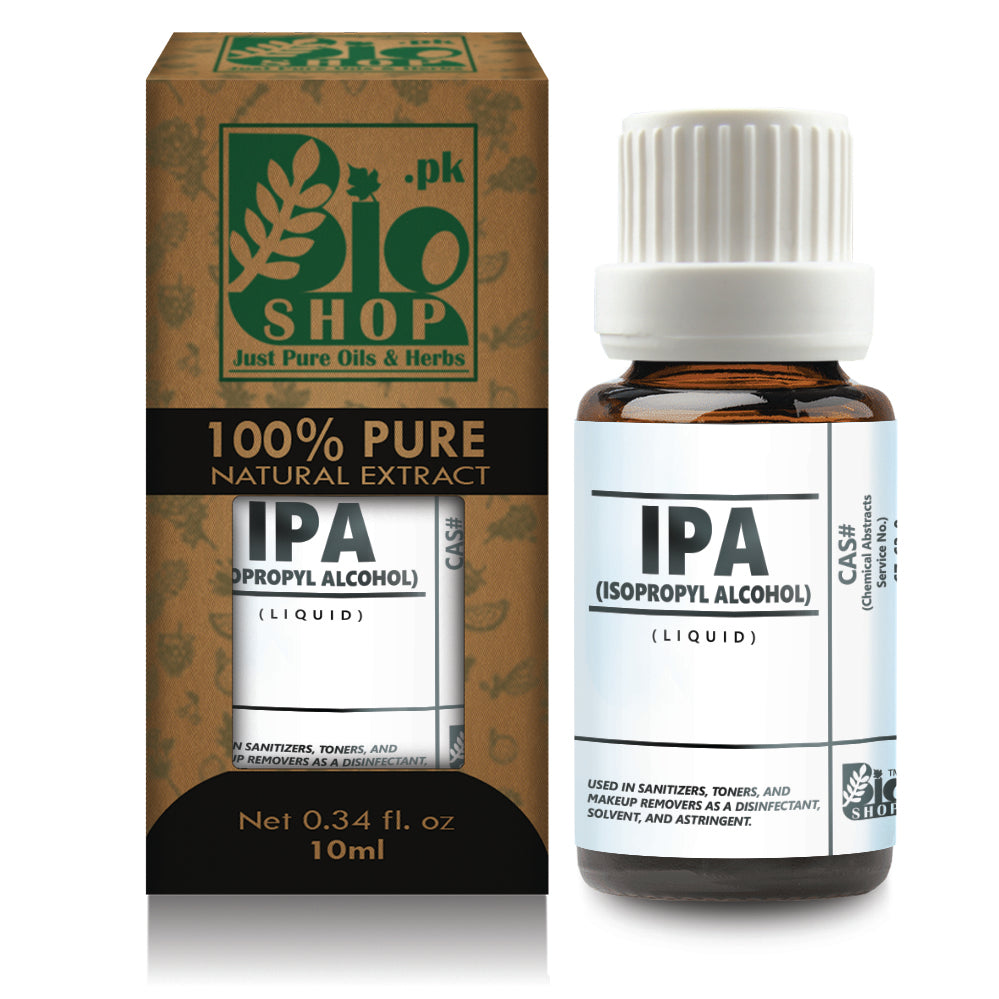
Isopropyl Alcohol (IPA)

Isopropyl Alcohol (IPA)

Regular price Rs.300.00
Regular price Sale price Rs.300.00
Sale Sold out

Key Functions: Acts as a solvent, disinfectant, degreaser, and evaporation control agent in cosmetics and personal care products.

Weight
Quantity
🚚 Estimated delivery time:
View full details

Explore

Information About Isopropyl Alcohol (IPA)

✅ Key Features

  • Powerful solvent for actives, oils, and resins
  • Used as carrier and fixative in perfume and body spray formulations
  • Evaporates quickly, leaving no residue
  • Antibacterial and antifungal – ideal for sanitizers and cleaning
  • Helps control viscosity and drying time in emulsions

🔬 Description

Isopropyl Alcohol (IPA) is a clear, colorless, volatile alcohol widely used in the cosmetic, pharmaceutical, and industrial sectors. In cosmetics, it acts as a powerful solvent, disinfectant, and viscosity reducer. It’s essential in perfumes, sanitizers, lotions, and aftershaves, helping to dissolve oils, control texture, and provide a quick-drying finish. IPA evaporates rapidly, leaving no residue, making it ideal for clean beauty tools and DIY spray formulations.

📊 Technical Data

INCI Name: Isopropyl Alcohol

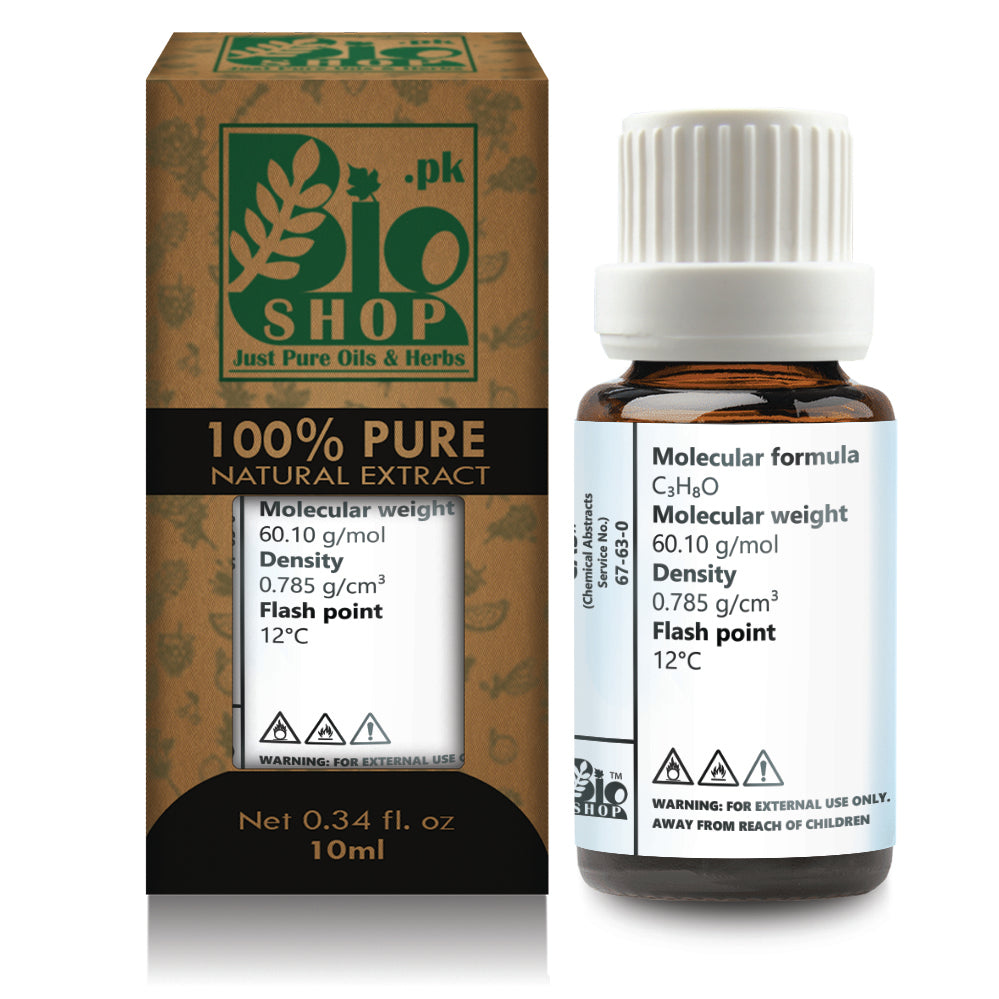
CAS Number: 67-63-0

Solubility: Miscible with water and alcohols

Add Phase: Water phase or final phase depending on formulation

pH Stability: Stable across all cosmetic pH ranges

Processing Temperature: Use under ventilated, low-heat conditions

Appearance: Clear, colorless liquid

Odor: Characteristic alcohol odor

Molecular Formula: C₃H₈O

Molecular Weight: 60.10 g/mol

Flash Point: ~12°C

Density: ~0.786 g/cm³

Chemical Type: Short-chain alcohol / Solvent / Antiseptic

Functional Groups: Hydroxyl (-OH)

Primary Cosmetic Uses: Solvent, sanitizer, viscosity reducer, dispersant

🧪 Recommended Usage

  • Usage Rate: 5% – 70% depending on purpose
  • Phase: Add to water phase or after emulsion
  • Ideal For: Sanitizers, Perfumes, Sprays, Lotions, Makeup Removers

💡 Pro Tip

💨 Use 99% Isopropyl Alcohol to disinfect cosmetic packaging, lab tools, and droppers before making DIY formulas. It dries fast, leaves no residue, and helps keep your creations clean and safe!

👩‍🔬 Skin Type Compatibility

⚠️ Suitable for oily, acne-prone, or targeted cleansing only.

❌ Not recommended for dry or sensitive skin in high concentrations.

✔️ Safe in properly formulated products with moisturizers.

🧴 Formulation Ideas

1. Alcohol-Based Hand Sanitizer

Formulate with 70% IPA, 0.5% hydrogen peroxide, 2% glycerin, and water — WHO-recommended base.

2. DIY Perfume or Body Spray Base

Use 80% IPA with essential oils, fragrance oils, and a solubilizer like Polysorbate-20 for quick-drying sprays.

3. Brush Cleaner Spray

IPA + distilled water + mild surfactant = perfect tool cleaner for makeup brushes and droppers.

4. Aftershave Splash

Combine IPA with witch hazel, menthol, and allantoin for a refreshing, pore-tightening aftershave.

5. Cleaning Agent for Lab & DIY Tools

Use 99% IPA to disinfect spatulas, bowls, droppers, and packaging — fast-drying and residue-free.

💧 Cosmetic Suitability:

Rated by performance, solvent power, and safety in various formulations.

Serums
⭐⭐☆☆☆ – Fair
🟧🟧⬜⬜⬜ – Use only for fast-drying serum bases or spot treatments.


Creams & Lotions
⭐⭐☆☆☆ – Fair
🟧🟧⬜⬜⬜ – Used in small amounts to enhance drying and penetration.


Toners
⭐⭐☆☆☆ – Fair
🟧🟧⬜⬜⬜ – Effective for oily skin but drying if overused.


Face Masks
⭐☆☆☆☆ – Poor
🟥⬜⬜⬜⬜ – Not suitable for leave-on masks.


Cleansers
⭐⭐⭐☆☆ – Moderate
🟧🟧🟧⬜⬜ – Useful in makeup removers or spot-cleaning gels.


Hair Masks
⭐☆☆☆☆ – Poor
🟥⬜⬜⬜⬜ – Drying effect; not used in conditioning formulas.


Deodorants
⭐⭐⭐⭐☆ – Good
🟩🟩🟩🟩⬜ – Effective in natural spray deodorants.


Eye Creams
☆☆☆☆☆ – Not Suitable
🟥⬜⬜⬜⬜ – Too drying and irritating for the eye area.


Shampoos
⭐☆☆☆☆ – Poor
🟥⬜⬜⬜⬜ – May damage hair and scalp in rinse-off products.


Soaps
⭐⭐☆☆☆ – Fair
🟧🟧⬜⬜⬜ – May be used as an alcohol boost in clear soaps.


Conditioners
⭐☆☆☆☆ – Poor
🟥⬜⬜⬜⬜ – Not used due to dryness.


Lip Balms
☆☆☆☆☆ – Not Suitable
🟥⬜⬜⬜⬜ – Highly drying for lip use.


Body Butters
⭐☆☆☆☆ – Poor
🟥⬜⬜⬜⬜ – Avoid in anhydrous body butter systems.


❓ FAQs

Q1: What is the difference between IPA 70% and 99%?

A1: 70% IPA is ideal for disinfection (water slows evaporation for contact time), while 99% is used for quick evaporation or dilution.

Q2: Is Isopropyl Alcohol safe for skin?

A2: In small, controlled amounts — yes. However, overuse can strip natural oils and cause dryness.

Q3: Can I use IPA in perfumes?

A3: Yes, IPA (usually 90%+) is widely used in body sprays and perfumes to dissolve fragrance oils and provide quick-dry effect.

Q4: Is IPA flammable?

A4: Yes. Store in cool, ventilated areas away from flames or high heat. Flash point is ~12°C.

Q5: Does IPA need a preservative?

A5: No. IPA is antimicrobial on its own, so it doesn't require an added preservative.

📂 Documentation

Upon request, we will provide.

Where Can You Safely Use Isopropyl Alcohol (IPA)

Discover how Isopropyl Alcohol (IPA) performs across different products — rated for safety, stability, and effectiveness.

Serums
4
Slight Issues
Creams & Lotions
4
Slight Issues
Toners
4
Slight Issues
Face Masks
2
Stability Issues
Cleansers
6
Fair
Hair Masks
2
Stability Issues
Deodorants
8
Good
Eye Creams
1
Major Problems
Shampoos
2
Stability Issues
Soaps
4
Slight Issues
Conditioners
2
Stability Issues
Lip Balms
0
Not Recommended
Body Butters
1
Major Problems
Ointments
1
Major Problems