


Bio Shop
Lauryl Glucoside
Lauryl Glucoside
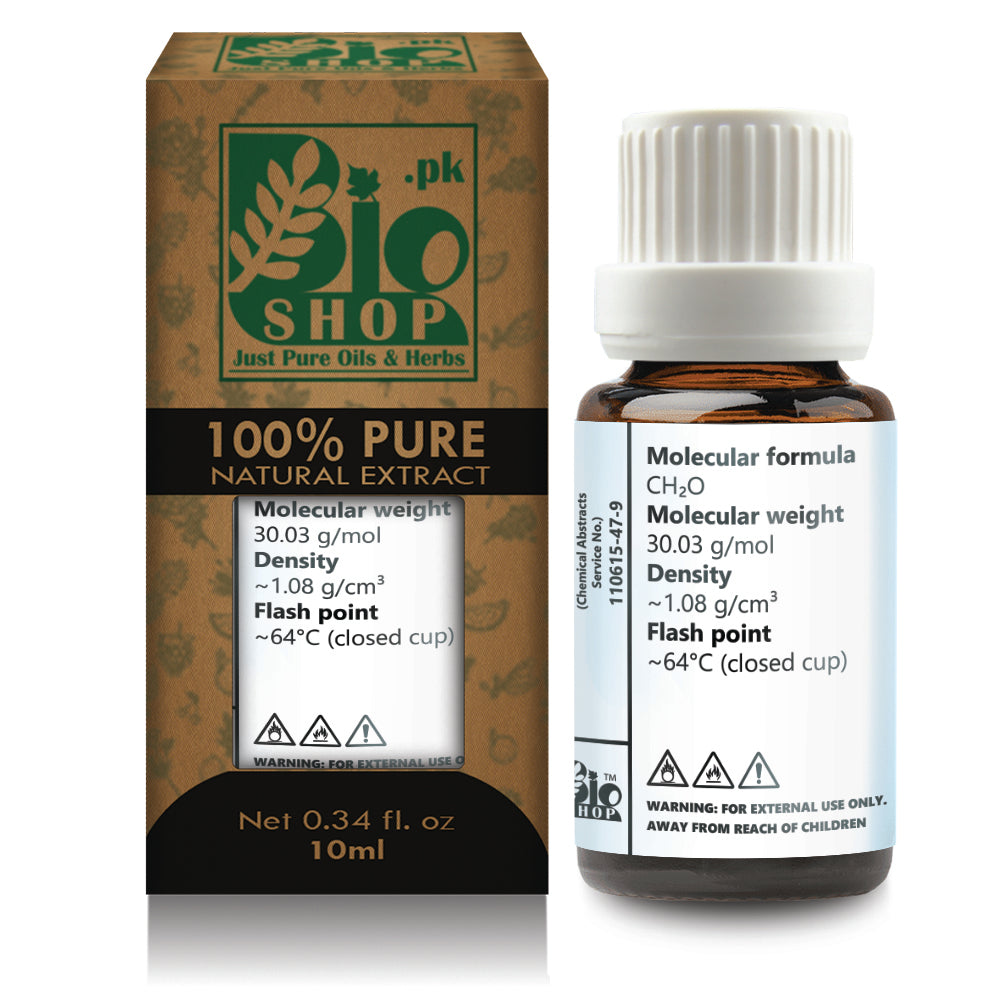
Key Functions: Acts as a mild, biodegradable surfactant and foaming agent for sulfate-free cleansing formulations.
Couldn't load pickup availability

Explore
Information About Lauryl Glucoside
✅ Key Features
- 100% plant-derived, non-ionic surfactant
- Gentle enough for baby care and sensitive skin
- Produces stable, creamy foam even in hard water
- Compatible with anionic, cationic, and amphoteric surfactants
- Ideal for sulfate-free shampoos, body washes, and facial cleansers
🔬 Description
Lauryl Glucoside is a naturally derived, non-ionic surfactant obtained from coconut oil and glucose. Known for its exceptional mildness, it’s widely used in clean beauty and sulfate-free products. It helps build viscosity and enhances foam quality when blended with other surfactants. Lauryl Glucoside is stable across a wide pH range and is ideal for baby products, micellar waters, gentle cleansers, and eco-friendly shampoos. It is a popular choice for formulators seeking mild, sustainable cleansing without irritation.
📊 Technical Data
INCI Name: Lauryl Glucoside
CAS Number: 110615-47-9
Solubility: Water-soluble
Add Phase: Water phase (warm processing recommended)
pH Stability: 3.5 – 10.5
Processing Temperature: < 75°C
Appearance: Pale yellow to clear viscous liquid
Odor: Mild fatty or neutral
Molecular Formula: C18H36O6
Molecular Weight: ~348.5 g/mol
Flash Point: > 100°C
Density: ~1.05 g/cm³
Chemical Type: Non-ionic surfactant
Functional Groups: Glucoside (ether), long-chain alcohol
Primary Cosmetic Uses: Cleansers, shampoos, facial washes, baby care
🧪 Recommended Usage
- Usage Rate: 3% – 25%
- Phase: Water phase with gentle heating
- Ideal For: Baby Washes, Facial Cleansers, Sulfate-Free Shampoos, Shower Gels
💡 Pro Tip
🌿 For extra foam and a luxurious feel, blend Lauryl Glucoside with Coco Glucoside or Decyl Glucoside. Always add to warmed water phase and allow it to hydrate fully before pH adjustment or thickening.
👩🔬 Skin Type Compatibility
✔️ Ideal for sensitive, acne-prone, dry, and baby skin
✔️ Safe for daily use and non-irritating in rinse-off products
🧴 Formulation Ideas
1. Baby Gentle Body Wash
Use 10% Lauryl Glucoside with Coco Glucoside and Glycerin for a tear-free, non-stripping body wash.
2. Sulfate-Free Shampoo
Blend 15% Lauryl Glucoside with Cocamidopropyl Betaine and Decyl Glucoside for rich foam and low irritation.
3. Micellar Facial Cleanser
Add 5% Lauryl Glucoside to micellar water with Niacinamide and Allantoin for makeup removal and mild cleansing.
4. Foaming Face Wash Gel
Combine with Xanthan Gum and Aloe Vera for a clear, moisturizing facial gel cleanser.
5. Eco-Friendly Shower Gel
Use 12% with natural extracts and essential oils to create a biodegradable body wash with creamy lather.
💧 Cosmetic Suitability:
Serums
☆☆☆☆☆ – Not Suitable
🟥⬜⬜⬜⬜ – Not used in serums.
Creams & Lotions
⭐☆☆☆☆ – Poor
🟥⬜⬜⬜⬜ – May destabilize emulsions.
Toners
⭐⭐☆☆☆ – Fair
🟧🟧⬜⬜⬜ – Suitable for micellar-style toners.
Face Masks
⭐⭐☆☆☆ – Fair
🟧🟧⬜⬜⬜ – Useful in rinse-off cleansing masks.
Cleansers
⭐⭐⭐⭐⭐ – Excellent
🟩🟩🟩🟩🟩 – Ideal for gentle facial and body washes.
Hair Masks
⭐☆☆☆☆ – Poor
🟥⬜⬜⬜⬜ – Not a conditioning ingredient.
Deodorants
⭐☆☆☆☆ – Poor
🟥⬜⬜⬜⬜ – Not typically included.
Eye Creams
☆☆☆☆☆ – Not Suitable
🟥⬜⬜⬜⬜ – Not used near eyes.
Shampoos
⭐⭐⭐⭐⭐ – Excellent
🟩🟩🟩🟩🟩 – Mild, creamy foam and good rinse-off.
Soaps
⭐⭐☆☆☆ – Fair
🟧🟧⬜⬜⬜ – Can be used in liquid soap alternatives.
Conditioners
⭐☆☆☆☆ – Poor
🟥⬜⬜⬜⬜ – Not conditioning agent.
Lip Balms
☆☆☆☆☆ – Not Suitable
🟥⬜⬜⬜⬜ – Not applicable.
Body Butters
☆☆☆☆☆ – Not Suitable
🟥⬜⬜⬜⬜ – Not suitable for anhydrous formulas.
Ointments
☆☆☆☆☆ – Not Suitable
🟥⬜⬜⬜⬜ – Not used in thick ointments.
❓ FAQs
Q1: Is Lauryl Glucoside a sulfate?
A1: No — it’s a sulfate-free, non-ionic surfactant, very mild and biodegradable.
Q2: Can it be used alone as the only surfactant?
A2: Yes, but it's often combined with other glucosides for better viscosity and foam.
Q3: Is it safe for baby products?
A3: Yes! It’s dermatologist-recommended for sensitive and baby skin.
Q4: Is it palm-free?
A4: Most commercial grades are coconut or palm-derived. Check the source or choose palm-free options if needed.
Q5: Can I thicken it naturally?
A5: Yes — use Xanthan Gum, Guar Gum, or Salt (NaCl) for viscosity.
📂 Documentation
Upon request, we will provide.
Where Can You Safely Use Lauryl Glucoside
Discover how Lauryl Glucoside performs across different products — rated for safety, stability, and effectiveness.


