Skip to product information
1 of 4

Bio Shop

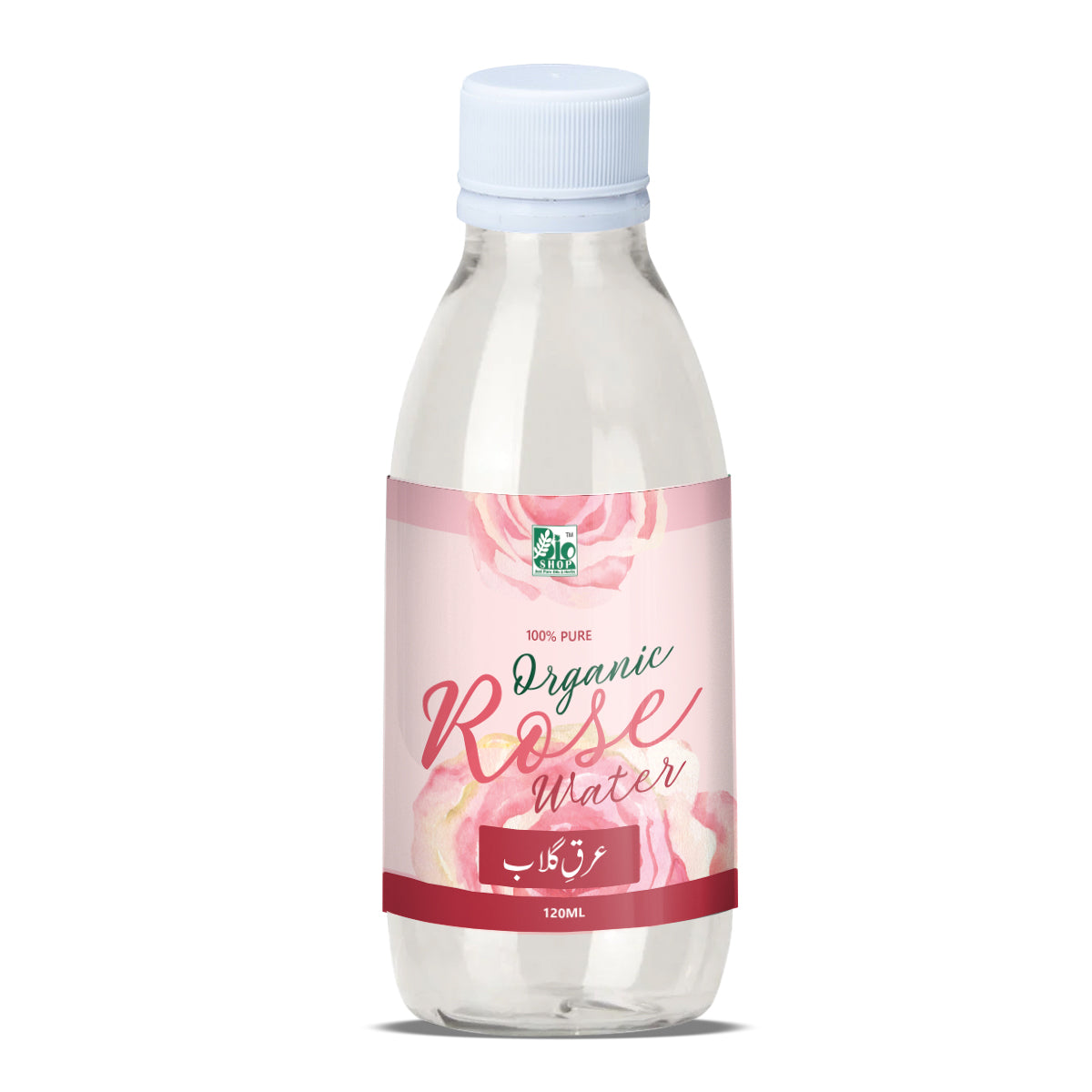
Organic Rose water

Organic Rose water

Regular price Rs.199.00
Regular price Sale price Rs.199.00
Sale Sold out
Shipping calculated at checkout.

Key Functions: Tones and balances skin pH, soothes irritation, and provides lightweight hydration.

Volume
Quantity
🚚 Estimated delivery time:
View full details

Explore

Information About Organic Rose water

✅ Key Features

✦ Naturally soothes and calms irritated, red, or sensitive skin on contact
✦ Acts as a gentle astringent toner that helps tighten pores without over-drying
✦ Provides lightweight hydration and serves as a humectant booster in formulations
✦ Balances skin pH to support a healthy moisture barrier
✦ 100% natural hydrosol derived from steam distillation of Rosa damascena petals
✦ Versatile base ingredient for toners, mists, creams, serums, and hair rinses
✦ Delicate natural rose aroma adds sensory elegance to any finished product

🔬 Description

Rose water is a fragrant hydrosol produced by steam-distilling the petals of Rosa damascena, commonly known as the Damask rose. Its use in skincare and beauty rituals dates back thousands of years across Persian, Middle Eastern, and South Asian traditions. It remains one of the most widely used natural ingredients in modern cosmetic formulation due to its gentle profile and broad compatibility.

What makes rose water particularly valuable in cosmetics is its ability to deliver multiple functions simultaneously. It tones and mildly astringes the skin, provides a layer of lightweight hydration, and soothes inflammation — all while maintaining a near-neutral pH that respects the skin barrier. These properties make it an ideal water-phase replacement or active base in a wide range of leave-on and rinse-off products.

Bio Shop Pakistan supplies cosmetic-grade rose water suitable for DIY skincare formulators, soap makers, perfumers, haircare creators, and home beauty crafters.

📊 Technical Data

INCI Name : Rosa Damascena Flower Water
Chemical Name : Rosa Damascena Flower Distillate
CAS Number : 90106-38-0
Molecular Formula : Not Applicable (complex hydrosol mixture)
Appearance : Clear to slightly hazy, colorless to pale yellow liquid
Odor : Mild, characteristic fresh rose floral
pH (1% solution) : 4.0 – 5.5 (neat)
Solubility : Fully water-soluble
Specific Gravity : 0.990 – 1.005 at 20°C
Flash Point : Not Applicable (aqueous)
HLB Value : Not Applicable
Recommended Use Level : Up to 100% as water-phase replacement; typically 5 – 80%
Type : Natural Hydrosol / Floral Water
Shelf Life : 12 months unopened; 6 months after opening if refrigerated

🧪 Recommended Usage

Skincare (Creams, Serums, Lotions) ★★★★★
Rose water is an excellent water-phase base or partial replacement in virtually any skincare formulation. Use at 20 to 80% of total formula weight as a direct substitute for distilled water for added soothing and toning benefits.

Haircare (Shampoo, Conditioner, Masks) ★★★★☆
Adds a gentle conditioning and scalp-soothing effect when used in the water phase of shampoos, conditioners, or leave-in sprays. Incorporate at 10 to 50% to replace part of the aqueous phase.

Soap Making (Cold Process, Melt and Pour) ★★★★☆
Can replace distilled water in cold process soap for a subtle rose note and skin-soothing quality. In melt-and-pour, spray as a finishing mist or blend into the melted base at 1 to 3 teaspoons per pound.

Body Care (Scrubs, Butters, Balms) ★★★☆☆
Best used in water-containing body care like lotions and light body milks rather than anhydrous butters or balms. Mist over sugar scrubs before use for an aromatic sensory boost.

Facial Mists and Toners ★★★★★
This is the signature application for rose water — use it at 80 to 100% as a standalone mist or toner base. Add 1 to 2% glycerin and 0.5% hyaluronic acid for an enhanced hydrating toner.

💡 Pro Tip

In my formulation work, I rely on rose water as a multifunctional water-phase upgrade rather than a simple fragrance addition. When I replace distilled water with rose water in a cream or serum, I get built-in soothing and toning benefits without adding another active, which keeps my ingredient list clean and my formulation cost efficient. The key is selecting a true steam-distilled hydrosol rather than a synthetic fragrance dilution — genuine hydrosol contains trace bioactive compounds that synthetics cannot replicate.

ADVANCED TIP: When formulating an emulsion, replace 50 to 100% of your water phase with rose water but add it after heating and cooling to below 40°C to preserve the volatile aromatic compounds and heat-sensitive actives. If using a cold-process method, incorporate it directly. Always adjust your preservative system for the slightly acidic pH of rose water (typically 4.0 to 5.5) — phenoxyethanol and ethylhexylglycerin blends perform well in this range.

👩‍🔬 Skin Type Suitability

Normal Skin : ★★★★★ — Balances, tones, and lightly hydrates without disrupting healthy skin function.
Dry Skin : ★★★★☆ — Provides light hydration and pairs well with humectants but is not deeply moisturizing alone.
Oily Skin : ★★★★★ — Mild astringent action helps control shine and tighten pores without stripping natural oils.
Combination : ★★★★★ — Balances both dry and oily zones effectively as a toner or mist.
Sensitive Skin : ★★★★★ — Naturally soothing and anti-inflammatory with a gentle pH profile.
Mature Skin : ★★★★☆ — Provides antioxidant support and hydration but needs pairing with stronger anti-aging actives.
Acne-Prone : ★★★★☆ — Mild antibacterial and anti-inflammatory properties help calm breakouts without clogging pores.

🧴 Formulation Ideas

CONCEPT 1: Glow Restore Hydrating Toner
Usage Level : 85%
Key Ingredients: Glycerin (3%), Hyaluronic Acid (0.5%), Niacinamide (2%), Phenoxyethanol (0.8%)
Result : A lightweight, spray-on facial toner that hydrates, refines pores, and leaves skin feeling refreshed with a delicate rose scent.

CONCEPT 2: Calming Rose Cream for Sensitive Skin
Usage Level : 40%
Key Ingredients: Shea Butter (8%), Cetearyl Alcohol (3%), Allantoin (0.5%), Polysorbate 60 (4%)
Result : A rich yet non-greasy moisturizing cream that soothes redness and irritation while delivering lasting hydration.

CONCEPT 3: Rose and Aloe Scalp Refresher Spray
Usage Level : 60%
Key Ingredients: Aloe Vera Juice (25%), Panthenol (2%), Peppermint Essential Oil (0.3%), Polysorbate 20 (1%)
Result : A leave-in scalp mist that cools, soothes, and hydrates an itchy or dry scalp while adding a light floral fragrance to hair.

💧 Safety and Regulatory:

INCI Declared : Yes — Rosa Damascena Flower Water must appear on product labels
EU Cosmetics Reg : Permitted — no specific restriction under EU Regulation 1223/2009
Rinse-Off Limit : No limit established
Leave-On Limit : No limit established
Allergen Alert : Yes — may contain traces of citronellol, geraniol, and linalool (naturally occurring in rose distillate); must be declared if above threshold in EU
Skin Safety : Safe at recommended levels; generally well tolerated
Eye Area Use : Use with caution — mild stinging possible in direct eye contact
Ingestion : Not for internal use (cosmetic grade)
Pregnancy Use : Safe for topical cosmetic use
Child Safety : Safe for children above 3 years at standard use levels
Ventilation : Not required
Storage : Cool dry place away from direct sunlight; refrigerate after opening for extended shelf life
Container : Glass (amber or cobalt preferred) or HDPE; avoid reactive metals

⚠️ Naturally occurring fragrance allergens (citronellol, geraniol, linalool) may be present in trace amounts. Declare on labels per EU Cosmetics Regulation if concentration exceeds 0.001% in leave-on or 0.01% in rinse-off products.

Stability and Compatibility

Working pH Range : 4.0 – 7.0
Heat Stability : Volatile aromatic compounds degrade above 40°C; add to cool-down phase in heated formulations
Freeze-Thaw Stable : Yes — may become slightly hazy but restores on warming
Emulsion Type : Not Applicable (water-phase ingredient; compatible with O/W and W/O systems)
Emulsification Phase: Cold preferred; add during cool-down if hot process is used
Compatible With : Glycerin, hyaluronic acid, niacinamide, aloe vera, most water-soluble actives and gums
Incompatible With : Strong acids below pH 3.0, strong oxidizers, high electrolyte concentrations may cause cloudiness
Oxidation Risk : Low — aqueous hydrosol with minimal lipid content
Discoloration Risk : Possible — prolonged light exposure or microbial contamination can cause yellowing
Formulation Notes : Always use a broad-spectrum preservative system when incorporating rose water, as hydrosols are highly susceptible to microbial growth. Phenoxyethanol-based blends or sodium benzoate and potassium sorbate combinations work well within its natural pH range.

❓ FAQs

Q: Can I use rose water directly on my face without diluting it?
A: Yes, pure cosmetic-grade rose water can be applied directly as a facial mist or toner. It is gentle enough for most skin types. However, always patch test first if you have very sensitive or reactive skin.

Q: How do I know if my rose water is genuine steam-distilled hydrosol?
A: Genuine hydrosol has a subtle, slightly herbaceous rose scent — not an overpowering perfume-like fragrance. Check that the INCI reads Rosa Damascena Flower Water with no added fragrance, alcohol, or preservatives listed before the hydrosol itself.

Q: Does rose water need a preservative when used in formulations?
A: Absolutely. Rose water is an aqueous ingredient with no inherent preservation and is highly prone to microbial contamination. Any formula containing rose water must include a properly tested preservative system.

Q: Can I replace distilled water with rose water in cold process soap?
A: Yes, you can replace part or all of the water in your lye solution with rose water. Be aware that the heat generated during saponification will diminish the fragrance, so the final soap may carry only a faint rose note. Many soapers add rose essential oil or fragrance oil separately.

Q: How does rose water compare to rose essential oil in skincare?
A: Rose water is a water-soluble hydrosol that provides mild hydration, toning, and soothing. Rose essential oil is a concentrated lipophilic extract with far stronger aromatic and active properties but must be diluted before skin application. Rose water is better suited as a base ingredient, while rose essential oil works as a potent active additive at 0.5 to 1%.

Where Can You Safely Use Organic Rose water

Discover how Organic Rose water performs across different products — rated for safety, stability, and effectiveness.

Skincare
Serums
9
Very Good
Creams & Lotions
9
Very Good
Eye Creams
8
Good
Face Masks
9
Very Good
Cleansers
8
Good
Toners
9
Very Good
Lip Balms
0
Not Recommended
Ointments
1
Major Problems
Body & Hair Care
Body Butters
6
Fair
Shampoos
6
Fair
Conditioners
6
Fair
Hair Masks
6
Fair
Soap & Specialty
Soaps
6
Fair
Deodorants
6
Fair
