Skip to product information
1 of 2

Bio Shop

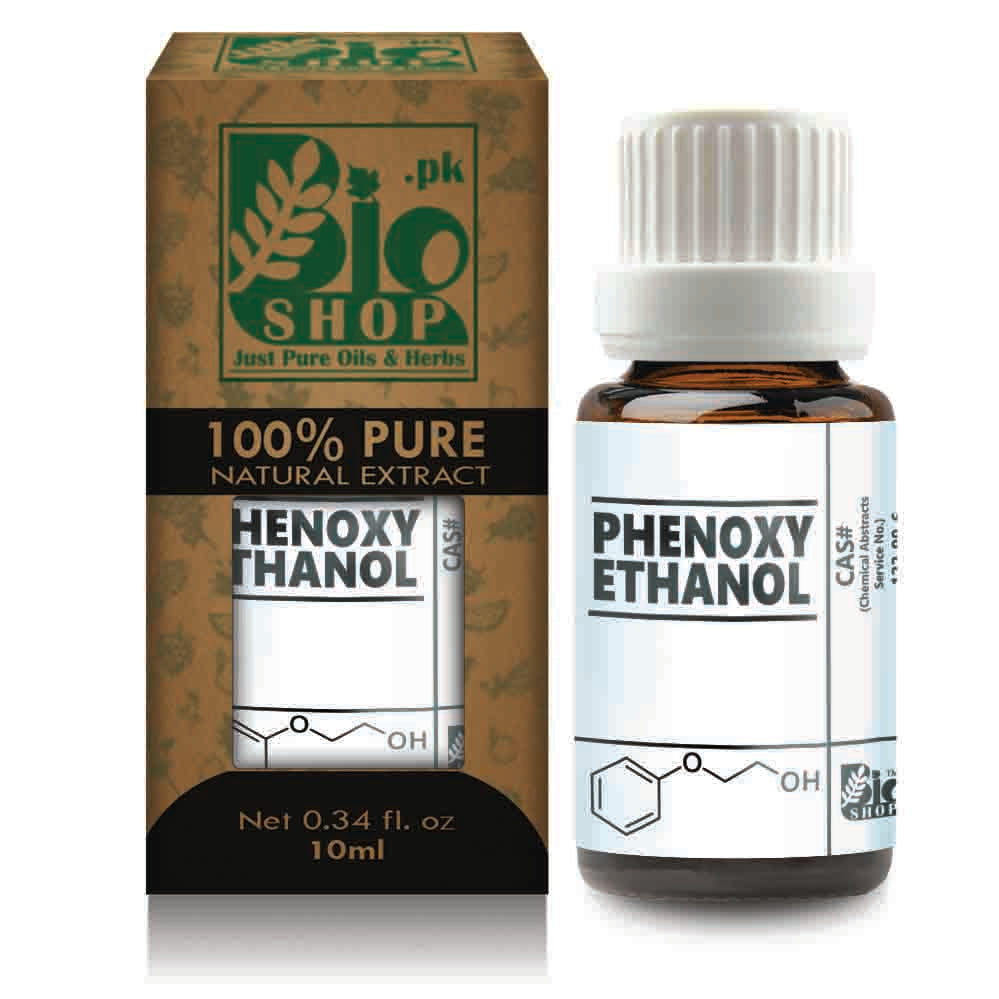
Phenoxyethanol

Phenoxyethanol

Regular price Rs.300.00
Regular price Sale price Rs.300.00
Sale Sold out

Key Functions: Acts as a broad-spectrum antimicrobial preservative in water-based cosmetic formulations.

Weight
Quantity
🚚 Estimated delivery time:
View full details

Explore

Information About Phenoxyethanol

✅ Key Features

  • Effective against gram-positive and gram-negative bacteria, yeast, and mold
  • Compatible with a wide pH range (3–10)
  • Works well with other preservatives like ethylhexylglycerin
  • Paraben-free and globally approved for rinse-off and leave-on products
  • Stable at high temperatures and in presence of light

🔬 Description

Phenoxyethanol – Broad-Spectrum Preservative for Modern Cosmetics

 Phenoxyethanol is a widely used broad-spectrum preservative found in modern cosmetics, personal care, and pharmaceutical products. It is particularly valued for being formaldehyde-free, paraben-free, and effective at low concentrations (0.5%–1%). Phenoxyethanol provides protection against bacteria, yeast, and mold, making it ideal for emulsions, serums, and water-based systems. It is often combined with other preservatives (like ethylhexylglycerin) to boost performance in mild, low-irritation formulas. This ingredient is approved globally, including by the EU, FDA, and Japan.

📊 Technical Data

INCI Name: Phenoxyethanol

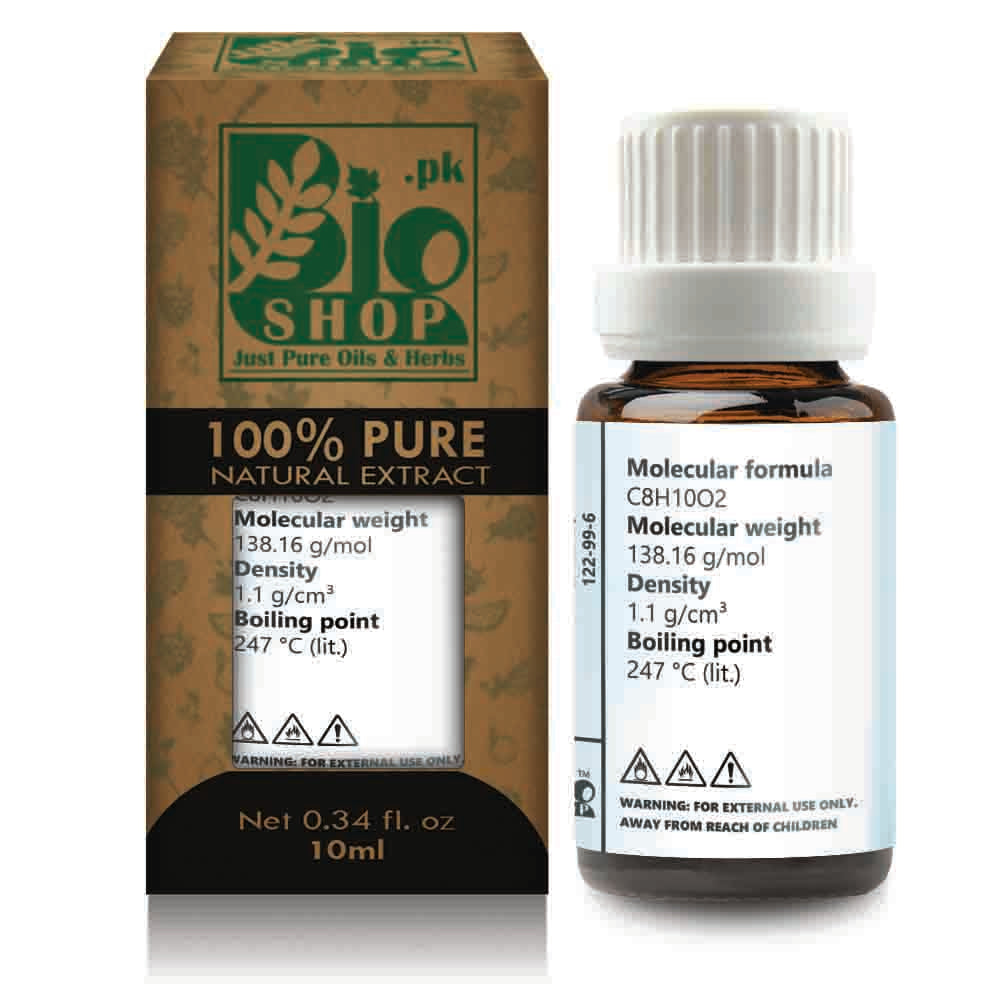
CAS Number: 122-99-6

Solubility: Slightly soluble in water; soluble in alcohols and glycols

Add Phase: Cool-down phase (<40°C)

pH Stability: 3.0 – 10.0

Processing Temperature: Add below 40°C

Appearance: Clear, colorless liquid

Odor: Mild, rose-like

Molecular Formula: C8H10O2

Molecular Weight: 138.17 g/mol

Flash Point: ~120°C

Density: ~1.10 g/cm³

Chemical Type: Glycol ether

Functional Groups: Hydroxyl, Ether

Primary Cosmetic Uses: Preservative in creams, serums, shampoos, baby products, makeup

🧪 Recommended Usage

  • Usage Rate: 0.5% – 1%
  • Phase: Cool-down (below 40°C)
  • Ideal For: Creams, serums, shampoos, toners, cleansers

💡 Pro Tip

💧 Always add Phenoxyethanol during the cool-down phase (<40°C) to retain full preservative activity. Pair with Ethylhexylglycerin for enhanced broad-spectrum protection and lower irritation risk.

👩‍🔬 Skin Type Compatibility

✔️ Safe for most skin types when used at proper dosage

✔️ Commonly used in baby care and sensitive-skin formulas

❗ Avoid overuse above 1% to prevent irritation

🧴 Formulation Ideas

1. Paraben-Free Face Cream

Use 1% Phenoxyethanol as the sole preservative in oil-in-water emulsion to prevent microbial growth.

2. Hydrating Serum

Include in the cool-down phase to protect low-viscosity serums from contamination.

3. Natural Shampoo

Combine with ethylhexylglycerin for effective preservation without parabens or formaldehyde releasers.

4. Micellar Water

Preserve water-based formulations with 0.8% for clear, shelf-stable solutions.

5. Makeup Base or Primer

Ensure microbial safety in water-containing makeup products like primers and liquid foundations.

💧 Cosmetic Suitability:

Serums
⭐⭐⭐⭐⭐ – Excellent
🟩🟩🟩🟩🟩 – Preserves water-based serums effectively.


Creams & Lotions
⭐⭐⭐⭐⭐ – Excellent
🟩🟩🟩🟩🟩 – Ideal preservative for emulsions.


Toners
⭐⭐⭐⭐☆ – Good
🟩🟩🟩🟩⬜ – Keeps toners microbe-free without heaviness.


Face Masks
⭐⭐⭐⭐☆ – Good
🟩🟩🟩🟩⬜ – Especially in gel or cream masks.


Cleansers
⭐⭐⭐⭐☆ – Good
🟩🟩🟩🟩⬜ – Useful in low pH gel cleansers and micellar water.


Hair Masks
⭐⭐⭐⭐☆ – Good
🟩🟩🟩🟩⬜ – Maintains shelf life in moisture-rich hair products.


Deodorants
⭐⭐⭐☆☆ – Moderate
🟧🟧🟧⬜⬜ – Useful in gel or cream deodorants.


Eye Creams
⭐⭐⭐⭐☆ – Good
🟩🟩🟩🟩⬜ – Mild enough for sensitive areas.


Shampoos
⭐⭐⭐⭐☆ – Good
🟩🟩🟩🟩⬜ – Great in clear or creamy shampoos.


Soaps
⭐⭐☆☆☆ – Fair
🟧🟧⬜⬜⬜ – Limited use in bar soaps.


Conditioners
⭐⭐⭐⭐☆ – Good
🟩🟩🟩🟩⬜ – Preserves leave-in and rinse-off conditioners.


Lip Balms
☆☆☆☆☆ – Not Suitable
🟥⬜⬜⬜⬜ – Not used in anhydrous formulations.


Body Butters
⭐⭐☆☆☆ – Fair
🟧🟧⬜⬜⬜ – Only if product contains water.


Ointments
⭐⭐☆☆☆ – Fair
🟧🟧⬜⬜⬜ – Preserves water-containing ointments.

❓ FAQs

Q1: Is Phenoxyethanol safe in cosmetics?

A1: Yes, it's considered safe up to 1% by global regulatory authorities including EU, US, and Japan.

Q2: Does it require other preservatives?

A2: While effective alone, combining it with chelators (like EDTA) or other agents boosts efficacy.

Q3: Can I use it in all types of products?

A3: Yes, except in anhydrous products like balms or solid lipsticks where water activity is too low for microbes.

📂 Documentation

Upon request, we will provide.

Where Can You Safely Use Phenoxyethanol

Discover how Phenoxyethanol performs across different products — rated for safety, stability, and effectiveness.

Serums
9
Very Good
Creams & Lotions
9
Very Good
Toners
8
Good
Face Masks
8
Good
Cleansers
8
Good
Hair Masks
8
Good
Deodorants
6
Fair
Eye Creams
8
Good
Shampoos
8
Good
Soaps
4
Slight Issues
Conditioners
8
Good
Lip Balms
0
Not Recommended
Body Butters
4
Slight Issues
Ointments
4
Slight Issues