Bio Shop
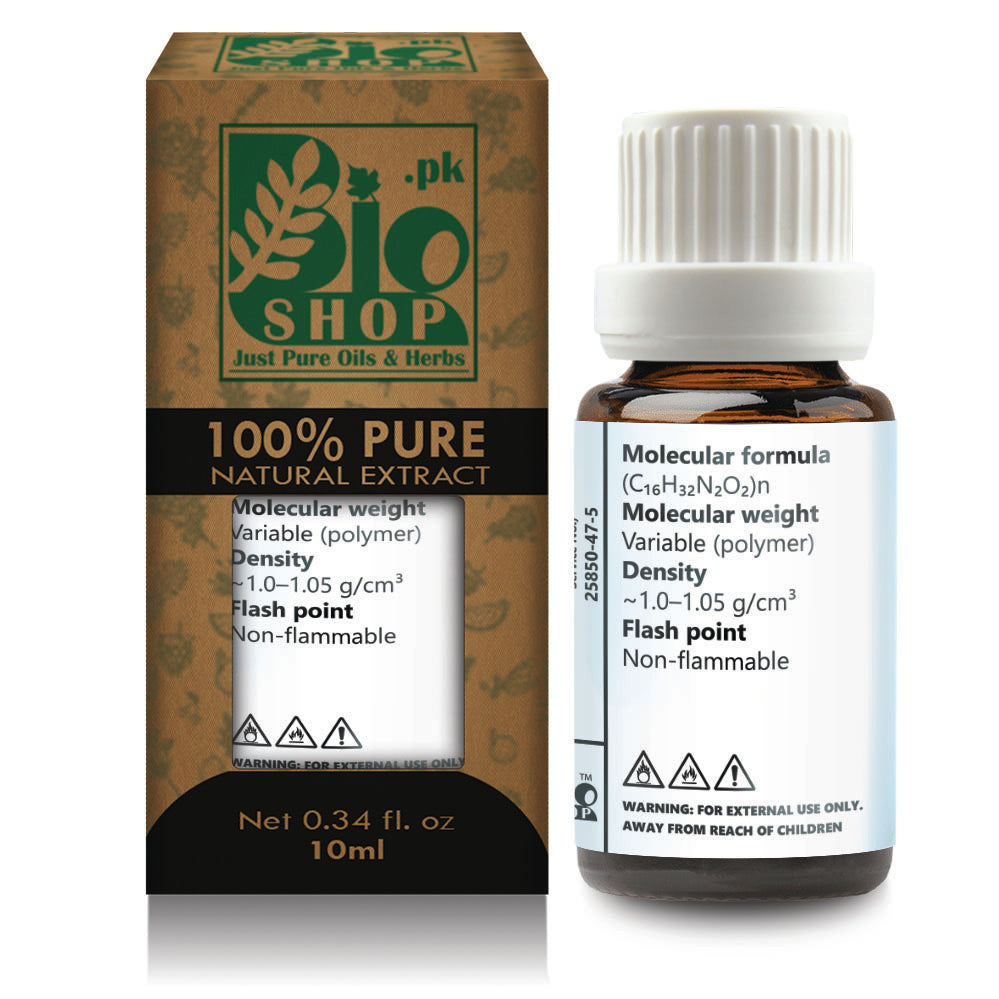
PQ-11 (Polyquaternium 11)
PQ-11 (Polyquaternium 11)
Key Functions: Conditions hair, detangles, forms protective film, and reduces static.
Couldn't load pickup availability

Explore
Information About PQ-11 (Polyquaternium 11)
✅ Key Features
✦ Cationic conditioning polymer that binds to hair via electrostatic attraction for substantive, lasting deposition from rinse-off systems.
✦ Dramatically improves wet and dry combability by reducing friction on the damaged or chemically treated hair shaft.
✦ Forms a lightweight, flexible protective film that adds shine, reduces breakage, and imparts a smooth, healthy appearance.
✦ Effective antistatic agent that neutralizes charge buildup for frizz control and improved manageability in all hair types.
✦ Water-soluble and easy to incorporate into aqueous hair care, styling products, and water-based skincare formulations.
✦ Compatible with anionic, nonionic, and amphoteric surfactant systems at recommended use levels.
✦ Widely used in professional-grade shampoos, conditioners, styling gels, hair sprays, and leave-in conditioning treatments.
🔬 Description
Polyquaternium-11 (PQ-11) is a synthetic cationic conditioning polymer produced by the free-radical copolymerization of 1-vinylpyrrolidone and dimethylaminoethyl methacrylate, followed by quaternization with diethyl sulfate. Introduced into commercial hair care in the 1980s by BASF under the Luviquat trade name, it rapidly became one of the most widely used conditioning polymers in the industry, valued for its clarity, versatility, and excellent sensory performance across rinse-off and leave-on product formats.
The defining property of Polyquaternium-11 is its permanent cationic charge. This creates a strong electrostatic affinity for the negatively charged keratin surface of hair, ensuring substantive polymer deposition even from high-dilution rinse-off systems. The deposited film measurably reduces combing friction, neutralizes static charge, and imparts a smooth, healthy sheen to the hair shaft. In styling formulations, PQ-11 transitions into a film-forming role, providing flexible hold without stiffness and contributing to the glossy finish characteristic of professional styling gels and sprays.
Bio Shop Pakistan supplies cosmetic-grade Polyquaternium-11 suitable for DIY beauty formulators, independent hair care brands, and professional cosmetic chemists developing conditioning shampoos, leave-in treatments, styling products, and multifunctional hair care systems.
📊 Technical Data
INCI Name : Polyquaternium-11
Chemical Name : Vinylpyrrolidone/dimethylaminoethyl methacrylate copolymer, quaternized
CAS Number : 53633-54-8
Molecular Formula : Not Applicable (synthetic polymer; variable molecular weight)
Appearance : Clear to slightly hazy viscous liquid (supplied as 20–35% active aqueous solution)
Odor : Characteristic mild amine odor
pH (1% solution) : 5.0–7.0
Solubility : Freely soluble in water; soluble in lower alcohols; insoluble in oils and waxes
Specific Gravity : 1.02–1.05 at 20°C (varies by grade and active content)
Flash Point : >100°C (aqueous solution)
HLB Value : Not Applicable
Recommended Use Level : 0.5–3.0% as supplied; adjust according to active content of the specific grade
Type : Cationic conditioning polymer and film former
Shelf Life : 24 months from manufacture date when stored correctly
🧪 Recommended Usage
Haircare (Shampoo, Conditioner, Leave-In) : ★★★★★
PQ-11 is a primary conditioning ingredient across all rinse-off and leave-on hair formats, delivering reliable deposition, detangling, and antistatic performance. Use at 1.0–2.5% in shampoos and 1.5–3.0% in conditioners and leave-in sprays.
Styling Products (Gels, Sprays, Mousses) : ★★★★★
Delivers excellent flexible film-forming hold, antistatic control, and gloss in clear styling formulations. Combine with carbomers for medium-hold gels or use alone in alcohol-free setting sprays at 1.0–2.0%.
Skincare (Toners, Serums, Light Moisturizers) : ★★★☆☆
Functions as a lightweight film former and skin conditioner in water-based products at 0.3–0.8%. Improves sensory glide and surface smoothness but contributes no active skin benefit on its own.
Body Care (Body Washes, Rinse-Off Scrubs) : ★★★☆☆
Suitable at 0.5–1.5% in conditioning body washes and rinse-off exfoliating formulations to reduce the stripping effect of surfactant-heavy bases and leave skin feeling softer after rinsing.
Baby Care and Mild Cleansers : ★★★★☆
Used in gentle baby shampoos and mild body washes at 0.5–1.0% to improve conditioning, reduce eye irritation potential, and enhance the sensory experience when paired with amphoteric surfactant systems.
💡 Pro Tip
In my experience, Polyquaternium-11 is one of the most dependable conditioning polymers in hair care formulation, and its value extends well beyond simple conditioning. What many beginners miss is that PQ-11 at higher concentrations acts simultaneously as a film former and a mild rheology modifier, contributing body and a silky slip to the finished product that no humectant or conditioning agent alone can replicate. I always dissolve it completely in the water phase at room temperature before introducing any surfactants or electrolytes — this prevents localized charge interactions that can cloud or destabilize the final formula.
ADVANCED TIP: In a 2-in-1 conditioning shampoo, pre-blend PQ-11 at 1.5% with cationic guar at 0.15% in your water phase before adding the anionic surfactant blend. These two cationic polymers work synergistically — PQ-11 delivers film-forming conditioning and antistatic performance, while cationic guar enhances wet combability and contributes mild thickening. This combination allows you to achieve superior conditioning performance at lower individual concentrations than either polymer alone, improving cost efficiency without sacrificing sensory quality. Verify clarity at your target surfactant loading before scaling up.
👩🔬 Skin Type Suitability
Normal Skin : ★★★★☆ — Provides a lightweight conditioning surface film that enhances skin texture without disrupting the natural moisture balance.
Dry Skin : ★★★★☆ — Forms a thin occlusive-adjacent film that helps reduce transepidermal water loss; most effective when combined with humectants like glycerin or hyaluronic acid.
Oily Skin : ★★★☆☆ — Use at low levels (0.3–0.5%) in water-light toners or essences to avoid any build-up sensation that could feel occlusive on sebum-rich skin.
Combination : ★★★★☆ — Works well in lightweight toner and essence formats that target the dry zones without overloading oily areas.
Sensitive Skin : ★★★☆☆ — Cationic charge can occasionally interact with sensitized or compromised skin barriers; patch testing is advised for leave-on applications.
Mature Skin : ★★★☆☆ — Offers a surface-smoothing conditioning effect but contributes no regenerative or anti-aging activity; best used as a supporting texture agent alongside actives.
Acne-Prone : ★★★☆☆ — Non-comedogenic at standard levels; best reserved for rinse-off formats in acne-prone routines to minimize any surface build-up.
🧴 Formulation Ideas
CONCEPT 1: Detangling Leave-In Conditioning Spray
Usage Level : 1.5%
Key Ingredients: Panthenol (2%), Glycerin (3%), Hydrolyzed Keratin (1%), Cetrimonium Chloride (0.3%)
Result : A lightweight, non-greasy spray that deposits a smooth cationic conditioning film, significantly improves wet and dry combability, and controls frizz on all hair types.
CONCEPT 2: Crystal-Clear Volumizing Styling Gel
Usage Level : 2.5%
Key Ingredients: Carbomer 940 (0.6%), Triethanolamine (q.s. to pH 6.0), Panthenol (1%), Allantoin (0.2%)
Result : A medium-hold, flexible gel with a high-gloss finish that defines hair structure without stiffness and conditions the shaft with every application.
CONCEPT 3: 2-in-1 Conditioning Shampoo
Usage Level : 1.0%
Key Ingredients: Sodium Laureth Sulfate (12%), Cocamidopropyl Betaine (4%), Cationic Guar (0.15%), Citric Acid (q.s. to pH 5.5)
Result : A lathering rinse-off shampoo that deposits a smooth conditioning layer on the hair during washing, leaving hair measurably softer and easier to manage post-rinse.
💧 Safety and Regulatory:
INCI Declared : Yes — required on finished product label above 0.1% in EU cosmetics
EU Cosmetics Reg : Permitted — not listed in Annex II (prohibited), III (restricted), or V (preservatives); no established concentration limits
Rinse-Off Limit : No specific limit established; use at effective functional concentration
Leave-On Limit : No specific limit established; use at effective functional concentration
Allergen Alert : No — not a recognized sensitizer at recommended cosmetic use levels
Skin Safety : Safe at recommended levels in both rinse-off and leave-on formulations
Eye Area Use : Use with caution — cationic charge may cause mild irritation at elevated concentrations
Ingestion : Not for internal use
Pregnancy Use : Consult physician; rinse-off topical use is considered low risk but clinical data is limited
Child Safety : Safe in rinse-off formulations for children above 3 years at standard concentrations
Ventilation : Not required for aqueous solution under ambient handling conditions
Storage : Store between 5–25°C; protect from freezing; keep away from direct heat and sunlight
Container : HDPE or glass preferred; avoid reactive metals
⚠️ Do not freeze Polyquaternium-11. Freezing causes irreversible phase separation and permanent viscosity loss that cannot be corrected by warming. If product has been frozen during storage or transit, verify performance and clarity before incorporating into formulation.
Stability and Compatibility
Working pH Range : 3.0–8.0 (optimal performance between 4.5–6.5)
Heat Stability : Stable up to 70°C for short durations; avoid prolonged exposure above 60°C
Freeze-Thaw Stable : No — freezing causes irreversible phase separation and viscosity degradation
Emulsion Type : O/W (performs best in oil-in-water and water-only systems; not suitable for anhydrous formulations)
Emulsification Phase: Cold (add to water phase at room temperature; may be incorporated into warm water phase up to 60°C if required)
Compatible With : Nonionic surfactants, amphoteric surfactants (cocamidopropyl betaine), panthenol, glycerin, PEGs, cationic conditioning agents (cetrimonium chloride, behentrimonium chloride), hydrolyzed proteins
Incompatible With : High concentrations of anionic surfactants in concentrated systems (risk of precipitation), strong electrolytes at elevated levels, oxidizing agents, strong alkalis above pH 9
Oxidation Risk : Low — no antioxidant protection required under standard formulation and storage conditions
Discoloration Risk : Possible — may develop a faint yellow tint on prolonged storage or if repeatedly exposed to elevated temperatures
Formulation Notes : Dissolve PQ-11 fully in the water phase before introducing anionic surfactants or electrolytes to prevent localized precipitation. When using in anionic shampoo bases at 1.0–1.5% as supplied, most standard SLES-based systems remain clear and stable — always verify compatibility at the intended use concentration before scaling.
❓ FAQs
Q: What is Polyquaternium-11 and how does it work in hair care?
A: Polyquaternium-11 is a cationic synthetic polymer derived from vinylpyrrolidone and dimethylaminoethyl methacrylate. Its permanent positive charge binds electrostatically to the negatively charged keratin surface of hair, depositing a smooth conditioning film that reduces friction, improves combability, and neutralizes static charge even from rinse-off formulas.
Q: Can I use Polyquaternium-11 in cold process soap?
A: No — cold process soap operates at a pH of 9–10+, which is well outside PQ-11's working range and will cause the polymer to break down or precipitate. If you want a conditioning effect in a bar format, cationic guar or a purpose-designed conditioning bar system at a lower pH are better alternatives.
Q: Can PQ-11 be used in skincare products as well as hair care?
A: Yes, at low levels of 0.3–0.8%, PQ-11 functions effectively as a lightweight film former and skin-conditioning agent in water-based toners, essences, and light serums. It is not suitable for anhydrous formulations such as body butters, balms, or lip products, as it requires an aqueous phase to perform.
Q: Does Polyquaternium-11 work in a formula that contains anionic surfactants like SLES?
A: At typical use levels of 1.0–1.5% as supplied, PQ-11 is generally compatible with standard SLES and betaine-based shampoo bases without precipitation or cloudiness. Incompatibility risks increase significantly in concentrated surfactant blends or when used above 3.0%; always conduct a small-scale compatibility test at your intended concentrations before proceeding.
Q: How does Polyquaternium-11 compare to Polyquaternium-7 as a conditioning polymer?
A: Both are cationic conditioning polymers, but they differ in chemistry and performance. PQ-11 (VP/DMAEMA-based) is a stronger film former with better antistatic performance and hold, making it the preferred choice for styling products and 2-in-1 shampoos. PQ-7 (acrylamide/DADMAC-based) delivers a softer, lighter feel and is better suited to conditioning shampoos where minimal film build-up is desired; it is also generally more cost-effective for high-volume production.
Where Can You Safely Use PQ-11 (Polyquaternium 11)
Discover how PQ-11 (Polyquaternium 11) performs across different products — rated for safety, stability, and effectiveness.