Skip to product information
1 of 2

Bio Shop

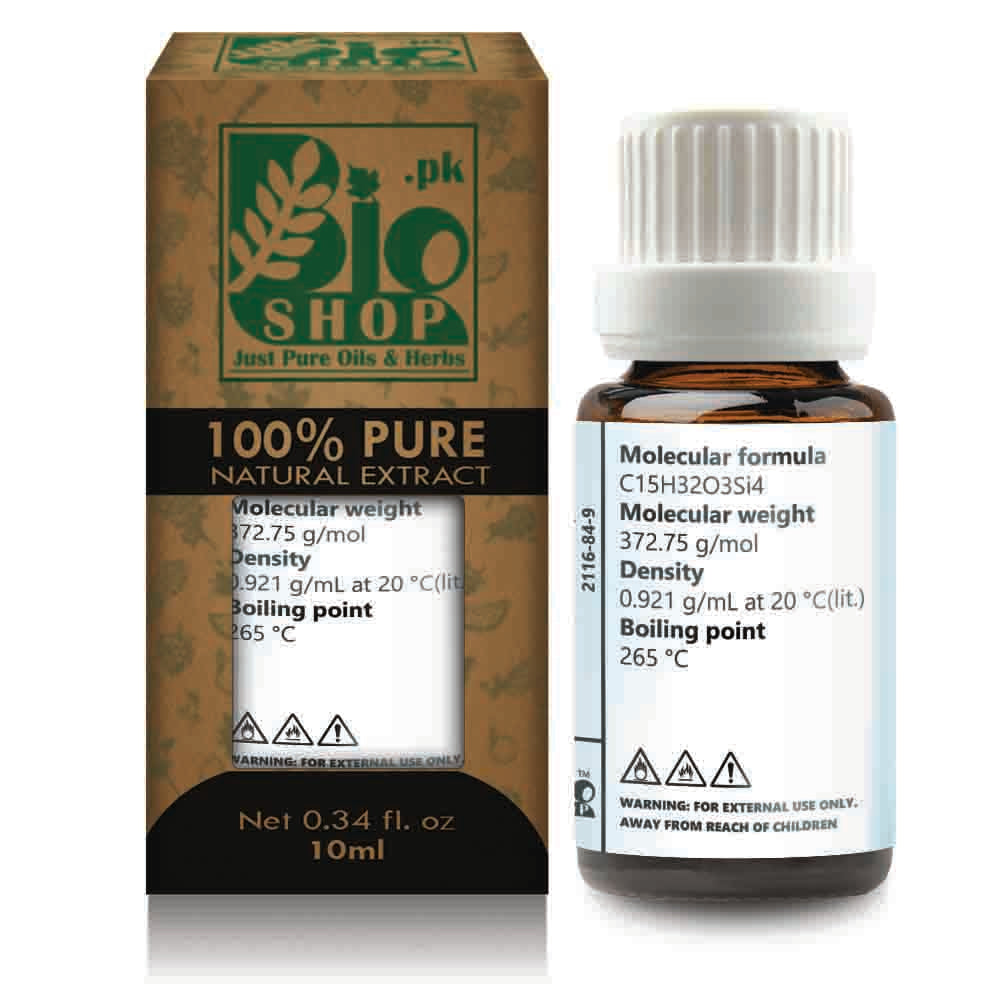
PTM (Phenyl Trimethicone)

PTM (Phenyl Trimethicone)

Regular price Rs.800.00
Regular price Sale price Rs.800.00
Sale Sold out

Key Functions: Imparts shine, slip, and water resistance to skin and hair without greasiness.

Weight
Quantity
🚚 Estimated delivery time:
View full details

Explore

Information About PTM (Phenyl Trimethicone)

✅ Key Features

  • Non-greasy, lightweight silicone oil
  • Enhances shine and smoothness in hair and skin
  • Provides water resistance and film-forming benefits
  • Improves spreadability in emulsions and serums
  • Compatible with conditioners, sunscreens, and makeup

🔬 Description

Phenyl Trimethicone (PTM) – Lightweight Silicone for Shine & Silky Texture

 Phenyl Trimethicone (PTM) is a modified silicone oil known for its silky texture, high refractive index, and non-oily feel. Unlike traditional silicones, its phenyl groups enhance compatibility with oils and emulsions while adding brilliance and gloss. PTM forms a breathable, protective film over skin and hair, offering moisture retention, softness, and water resistance. It’s often used in shampoos, conditioners, serums, sunscreens, and color cosmetics for its high slip, elegant skin feel, and ability to reduce tackiness in formulations.

📊 Technical Data

INCI Name: Phenyl Trimethicone

CAS Number: 2116-84-9

Solubility: Oil-soluble, silicone-compatible

Add Phase: Oil phase or cool-down phase

pH Stability: 3 – 8

Processing Temperature: Up to 80°C

Appearance: Clear, viscous liquid

Odor: Odorless

Molecular Formula: C15H34O2Si3 (typical structure)

Molecular Weight: ~400–600 g/mol (varies by grade)

Flash Point: ~290°C

Density: ~0.97 g/cm³

Chemical Type: Phenyl-functional silicone fluid

Functional Groups: Phenyl, Siloxane

Primary Cosmetic Uses: Serums, lotions, conditioners, sunscreens, primers, hair oils

🧪 Recommended Usage

  • Usage Rate: 0.5% – 5%
  • Phase: Oil or cool-down phase
  • Ideal For: Hair serums, conditioners, foundations, sunscreens, creams

💡 Pro Tip

✨ For a silky, non-greasy finish in serums or sunscreens, combine Phenyl Trimethicone with Dimethicone, Cyclopentasiloxane, or light esters. It’s perfect for reducing tackiness from natural actives.

👩‍🔬 Skin Type Compatibility

✔️ Non-comedogenic and safe for all skin types

✔️ Excellent for dry, dull, or mature skin

❗ Avoid high % in very oily skin products

🧴 Formulation Ideas

1. Shine-Boosting Hair Serum

Blend 2% PTM with Cyclopentasiloxane and Argan Oil for a dry-touch gloss finish.

2. Primer for Makeup

Use 1–2% in a silicone-based primer to reduce shine and fill in fine lines.

3. Glossy Leave-in Conditioner

Add to conditioner base to improve shine and reduce frizz without weighing down.

4. Sunscreen with Water Resistance

Enhance waterproof performance and silky feel in SPF lotions by adding 2% PTM.

5. Lip Gloss or Balm Base

Use in small amounts for enhanced glide and shine in lip formulations.

💧 Cosmetic Suitability:

Serums
⭐⭐⭐⭐⭐ – Excellent
🟩🟩🟩🟩🟩 – Enhances smoothness and appearance.


Creams & Lotions
⭐⭐⭐⭐☆ – Good
🟩🟩🟩🟩⬜ – Improves spread and sensory feel.


Toners
⭐☆☆☆☆ – Poor
🟥⬜⬜⬜⬜ – Not suitable for aqueous formulas.


Face Masks
⭐⭐☆☆☆ – Fair
🟧🟧⬜⬜⬜ – Use in peel-off or film masks only.


Cleansers
⭐⭐☆☆☆ – Fair
🟧🟧⬜⬜⬜ – Useful in cleansing balms or oils.


Hair Masks
⭐⭐⭐⭐☆ – Good
🟩🟩🟩🟩⬜ – Adds shine and detangling properties.


Deodorants
⭐⭐☆☆☆ – Fair
🟧🟧⬜⬜⬜ – Use in dry-touch roll-ons or balms.


Eye Creams
⭐⭐⭐⭐☆ – Good
🟩🟩🟩🟩⬜ – Adds smooth finish and gloss.


Shampoos
⭐⭐☆☆☆ – Fair
🟧🟧⬜⬜⬜ – Not water-soluble but can be dispersed with emulsifiers.


Soaps
⭐☆☆☆☆ – Poor
🟥⬜⬜⬜⬜ – Typically incompatible with soap bases.


Conditioners
⭐⭐⭐⭐⭐ – Excellent
🟩🟩🟩🟩🟩 – Superior slip, gloss, and manageability.


Lip Balms
⭐⭐⭐⭐☆ – Good
🟩🟩🟩🟩⬜ – Adds shine and spreadability.


Body Butters
⭐⭐⭐⭐☆ – Good
🟩🟩🟩🟩⬜ – Reduces greasiness, improves feel.


Ointments
⭐⭐⭐☆☆ – Moderate
🟧🟧🟧⬜⬜ – Useful for occlusion and barrier creams.

❓ FAQs

Q1: Is Phenyl Trimethicone safe for all skin types?

A1: Yes! It’s non-comedogenic and safe for sensitive, oily, and acne-prone skin when used in recommended amounts.

Q2: Can PTM be used in natural formulations?

A2: It is synthetic but often accepted in “silicone-safe” natural-inspired products due to its mildness and performance.

Q3: Does it rinse off easily?

A3: While water-insoluble, it can be removed with cleansing oils, balms, or emulsifiers.

📂 Documentation

Upon request, we will provide.

Where Can You Safely Use PTM (Phenyl Trimethicone)

Discover how PTM (Phenyl Trimethicone) performs across different products — rated for safety, stability, and effectiveness.

Serums
9
Very Good
Creams & Lotions
8
Good
Toners
1
Major Problems
Face Masks
4
Slight Issues
Cleansers
4
Slight Issues
Hair Masks
8
Good
Deodorants
4
Slight Issues
Eye Creams
7
Reasonable
Shampoos
4
Slight Issues
Soaps
1
Major Problems
Conditioners
9
Very Good
Lip Balms
8
Good
Body Butters
8
Good
Ointments
6
Fair
