Bio Shop
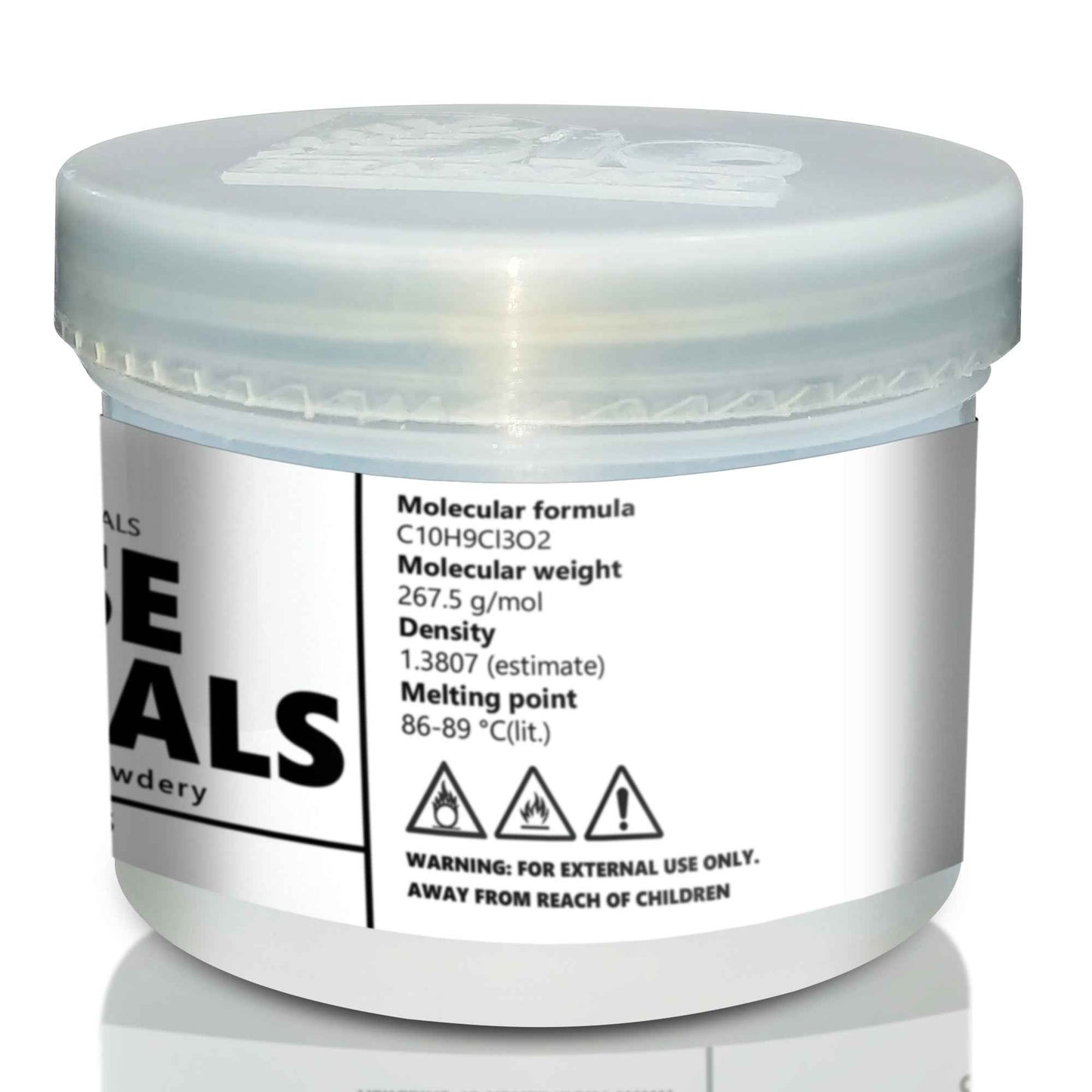
Rose crystals
Rose crystals
Olfactory Notes: Rose · Sweet · Floral · Powdery · Fresh · Soft
Couldn't load pickup availability


Explore
Information About Rose crystals
Key Features
✦ Natural crystalline wax fraction derived from Rosa damascena, the iconic Damask rose
✦ Delivers a rich, warm, waxy-rosy scent with honeyed, powdery, and green-stem facets
✦ Readily soluble in perfumer's alcohol and carrier oils — ideal for fine fragrance and attar work
✦ Adds body, texture, and mild emolliency to creams, lip balms, and solid perfumes
✦ Used in luxury rose soliflores, classic oriental bases, and traditional mukhallat compositions
✦ Naturally derived, vegan-friendly, and free from animal-derived processing agents
✦ IFRA-compliant when used within recommended usage rate guidelines
About Rose crystals
Rose Crystals, sold commercially under the name Rosone, are derived from Rosa damascena Mill., one of the most historically significant floral species in perfumery and cosmetics. The Damask rose has been cultivated for over a thousand years in Bulgaria's Rose Valley, the Isparta region of Turkey, and across the Levant and Iran. Its flowers are harvested at dawn to preserve volatile aromatic compounds, and the resulting concrete is then processed with alcohol to produce rose absolute. The crystalline fraction that separates during this process is what we know as Rose Crystals — a concentrated, waxy by-product that carries the heavier and more tenacious aromatic signature of the rose.
What makes Rose Crystals particularly valuable to perfumers and formulators is their unique textural and olfactory character. Unlike liquid rose materials, they carry a warm, diffusive, waxy rose note layered with subtle honey and faint green undertones — a dimension not fully expressed in rose absolute alone. This waxy body acts as a natural fixative, anchoring floral compositions and extending their longevity on skin. In cosmetic formulations, the physical wax character contributes useful texture and light emolliency alongside the fragrance. Their solid form allows for clean, accurate handling and dosing, which is especially useful for small-batch formulators.
Bio Shop Pakistan supplies cosmetic-grade Rose Crystals (Rosone) suitable for DIY perfumers, attar blenders, cosmetic formulators, and home crafters who seek authentic natural rose materials with proven performance across fragrance and beauty applications.
Olfactory Profile
SCENT DESCRIPTION
Rose Crystals open with a warm, diffusive rosy sweetness underpinned by a smooth, honeyed wax character that feels intimate and natural. The scent is quieter and rounder than rose absolute, lacking its sharp alcoholic brightness but offering instead a soft powdery elegance that lingers beautifully on skin and fabric. Subtle green and slightly earthy undercurrents add a naturalistic depth, evoking freshly cut rose stems warmed by afternoon sun. In a blend, they function as a gentle anchor — slowing down sharper florals and lending the composition a sense of organic warmth.
NOTE POSITION : Mid-Base
FRAGRANCE FAMILY : Floral, Rose, Powdery
FACETS : Rosy · Waxy · Honeyed · Powdery · Green
TENACITY : High — 8 to 12 hours on skin, longer on fabric
SILLAGE : Medium — intimate to moderate projection with quiet, warm rosy diffusion
Technical Specifications
Chemical Name : Rosa damascena Mill. wax, crystalline aromatic fraction
CAS Number : Verify with supplier (complex natural mixture, no single CAS)
Synonyms : Rosone, Rose Wax, Rose Absolute Crystals, Damask Rose Crystals
Purity % : Verify with supplier
Appearance : Off-white to pale yellowish waxy crystals
Odor Threshold : Very low — perceptible at trace concentrations (verify with supplier)
Solubility : Soluble in alcohol and fixed oils; insoluble in water
Specific Gravity : Approximately 0.85 – 0.95 at 20°C (verify with supplier)
Flash Point : Above 100°C (verify with supplier)
Type : Natural
Applications & Usage Guidelines
Fine Fragrance ★★★★★
Rose Crystals are a cornerstone of classical rose-centered fine fragrances and modern floral compositions. They contribute warmth, naturalness, and lasting body to rose soliflores, oriental florals, and chypre structures. Use at 0.5 to 3% within the fragrance compound to add a diffusive waxy-rosy character without overwhelming the top notes.
Attar and Oriental Blending ★★★★★
Historically central to South Asian and Middle Eastern attar crafting, Rose Crystals pair with extraordinary depth alongside oud, sandalwood, ambergris, and musk bases. They warm and round out heavy oriental formulas while keeping the floral note true and natural. They are essential to traditional rose-oud attars, mukhallat blends, and bakhoor preparations.
Cosmetics and Skin Care ★★★★☆
The waxy physical nature of Rose Crystals makes them a functional ingredient in lip balms, facial creams, body butters, and solid perfumes. They contribute mild emolliency, natural rose fragrance, and a luxurious skin feel. Use at 0.5 to 2% for combined fragrance and texture benefit in leave-on formulations.
Home Fragrance ★★★★☆
Rose Crystals perform well in wax-based candles, resin incense, and bakhoor formulations. They blend smoothly into wax and resin bases above their melting point and provide a warm, authentic rose throw. Ideal for luxury rose candles and traditional incense products where a natural rose character is desired.
Functional Fragrance ★★★☆☆
Rose Crystals can be incorporated into body lotions, hair conditioners, and leave-on personal care products. Performance in rinse-off and water-based applications is limited by their natural waxy character and poor water solubility. Best results come from oil-rich and leave-on formats where their tenacity can be fully expressed.
IFRA & Usage Rate
Usage Rates
EDP (Eau de Parfum) : 1.0 – 3.0%
EDT (Eau de Toilette) : 0.5 – 2.0%
Body Lotion (Leave-on) : 0.5 – 1.5%
Shampoo / Body Wash : 0.2 – 0.5%
Candle : 3.0 – 6.0%
Reed Diffuser : 5.0 – 10.0%
Cold Process Soap : 1.0 – 2.0%
IFRA 51st Amendment Reference Limits
Category 1 (Lip products) : Up to 1.0% — verify with current amendment
Category 4 (Fine fragrance) : Up to 5.0% — verify with current amendment
Category 5A (Body lotion, leave-on) : Up to 3.0% — verify with current amendment
Category 9 (Soap, rinse-off) : Up to 3.0% — verify with current amendment
Category 11A (Candles, air care) : Restricted — verify with current IFRA guidelines
⚠️ Rose Crystals are a complex natural botanical mixture. IFRA limits may vary based on exact botanical source, composition analysis, and supplier certification. Always verify applicable limits against the current IFRA amendment and your supplier's technical documentation before production.
⚠️ Rosa damascena derivatives contain natural sensitizers including geraniol, citronellol, eugenol, and farnesol. Sensitization potential exists, particularly at elevated usage levels. Patch testing is strongly recommended before use in leave-on skin care.
Blending Guide
Method 1 — Dissolution in Perfumer's Alcohol
Gently warm your perfumer's alcohol to 40–50°C in a water bath and add the measured Rose Crystals with slow stirring until fully dissolved. This produces a clear, ready-to-use rose solution for EDP, EDT, and alcohol-based cologne applications. Avoid direct flame or high-heat sources. Allow the solution to cool fully before evaluating the scent, as warmth temporarily amplifies the note.
Method 2 — Carrier Oil Infusion for Attars and Cosmetics
Heat your chosen carrier oil — jojoba, fractionated coconut, or sweet almond — to approximately 50°C and slowly stir in the Rose Crystals until fully incorporated. This produces a rose-infused oil base ideal for attars, solid perfumes, facial serums, and lip care products. Cool slowly at room temperature and avoid refrigeration during setting to maintain a consistent texture.
Method 3 — Direct Melt into Wax or Resin Base
For candles, bakhoor, and incense applications, melt Rose Crystals directly into your wax or resin base above their melting point. Blend thoroughly to ensure even distribution before pouring. Add near the end of the melt process — after the base reaches working temperature — to minimize aromatic loss from prolonged heat exposure.
BEST PAIRINGS
Oud Wood → Creates a classic rose-oud attar with dignified depth and lasting warmth
Sandalwood → Adds creamy, milky softness that supports and lifts the rosy heart
Ambrette Musk → Lifts and modernizes the rose note with a clean, skin-like naturalness
Ylang Ylang → Amplifies floral richness and deepens the honeyed, indolic sweetness
Patchouli → Grounds the composition in an earthy, sensual oriental foundation
Iris / Orris → Adds powdery, violet-like elegance that harmonizes with the waxy facets
Jasmine Absolute → Builds a lush, warm floral heart of classic oriental complexity
Labdanum → Contributes ambery, balsamic depth beneath the rosy middle register
Iso E Super → Adds diffusion and a modern woody-cedarwood dimension to the rose
AVOID
Avoid combining with strongly alkaline soap bases without prior testing as high pH environments may degrade aromatic esters in the wax fraction. Use caution with chlorine-based preservatives and oxidizing agents that may react with natural wax components and alter scent character over time.
Perfumer's Note
I reach for Rose Crystals when I want the rose note in a formula to feel genuinely alive — warm, quiet, and rooted in something real. There is a weight to this material that no liquid rose extract fully replicates. The waxy body it contributes is precisely what separates a rose fragrance that feels constructed on paper from one that feels as if it was grown and distilled. In classical attar work, Rose Crystals have been prized not simply for their scent, but for that honeyed, slow-releasing quality that lets a composition breathe and unfold over hours on skin. When I want the rose to be the heart of something truly enduring — not just the top note that fades by midday — this is the material I begin with.
ADVANCED TIP
Pre-dissolve your Rose Crystals in a measured quantity of aged sandalwood oil before blending them into the larger formula. Use approximately equal parts by weight and warm the combination gently until homogenous. This creates a natural rose-sandalwood pre-accord that integrates far more smoothly into oriental and floral-woody bases than either material added separately. The sandalwood acts as a chemical and olfactory bridge — softening the waxy edge of the crystals, extending skin tenacity, and creating a seamless diffusion that reads as a single cohesive note rather than two identifiable materials sitting beside each other. Incorporate this pre-accord at 10 to 20% of your total formula weight.
Safety & Storage
Physical State : Solid waxy crystals at ambient room temperature; melts at moderate heat
Skin Safety : Safe at recommended use levels; may cause sensitization in predisposed individuals — patch test before use
Eye Contact : Avoid direct contact; rinse thoroughly with clean running water for 10–15 minutes if contact occurs
Ingestion : Not for internal use; keep secured and out of reach of children at all times
Ventilation : Adequate ventilation recommended during melting, processing, and extended handling
Storage : Store in a cool, dry location away from direct sunlight, heat, and humidity
Shelf Life : 2 to 3 years when stored correctly in a properly sealed container
Container : Dark glass jar or airtight HDPE container with secure lid; avoid reactive metal containers
Flammability : Low flammability risk under normal handling conditions; flash point above 100°C
FAQ
Q: What exactly are Rose Crystals (Rosone) and how do they differ from rose absolute?
A: Rose Crystals are the solid waxy fraction separated when rose concrete is processed into rose absolute. They have a warmer, waxier, and more muted character compared to the sharper and more intense brightness of full rose absolute.
Q: How do I dissolve Rose Crystals for use in my formulas?
A: Warm your solvent — alcohol or carrier oil — to 40–50°C in a water bath, then stir the crystals in gradually until fully dissolved. Avoid direct high heat to protect the delicate aromatic compounds.
Q: Can Rose Crystals be used in cold process soap?
A: Yes, at 1 to 2% of total formula weight. The natural wax components may slightly accelerate trace and scent retention in high-pH soap can be moderate. Always test in small batches before scaling up.
Q: Are Rose Crystals safe for use in skin care and lip products?
A: Yes, at cosmetic-grade usage levels. Rosa damascena derivatives are generally well tolerated but carry sensitization potential for some individuals. Follow IFRA guidelines for your specific product category and conduct patch testing.
Q: How do Rose Crystals compare to synthetic rose aroma chemicals like Rose Oxide or Damascenone?
A: Rose Crystals provide a full-spectrum, naturalistic rose character with waxy and honeyed complexity that no single synthetic can replicate alone. Synthetic rose materials like Rose Oxide or beta-Damascenone are intensely concentrated, single-facet impressions of rose used at trace levels for precision impact. For authentic traditional rose work, Rose Crystals are the natural choice; for targeted, cost-efficient modern rose accords, synthetics offer control and consistency.
Where Can You Safely Use Rose crystals?
Discover how Rose crystals performs across different applications—rated for safety, stability, and effectiveness.