


Bio Shop
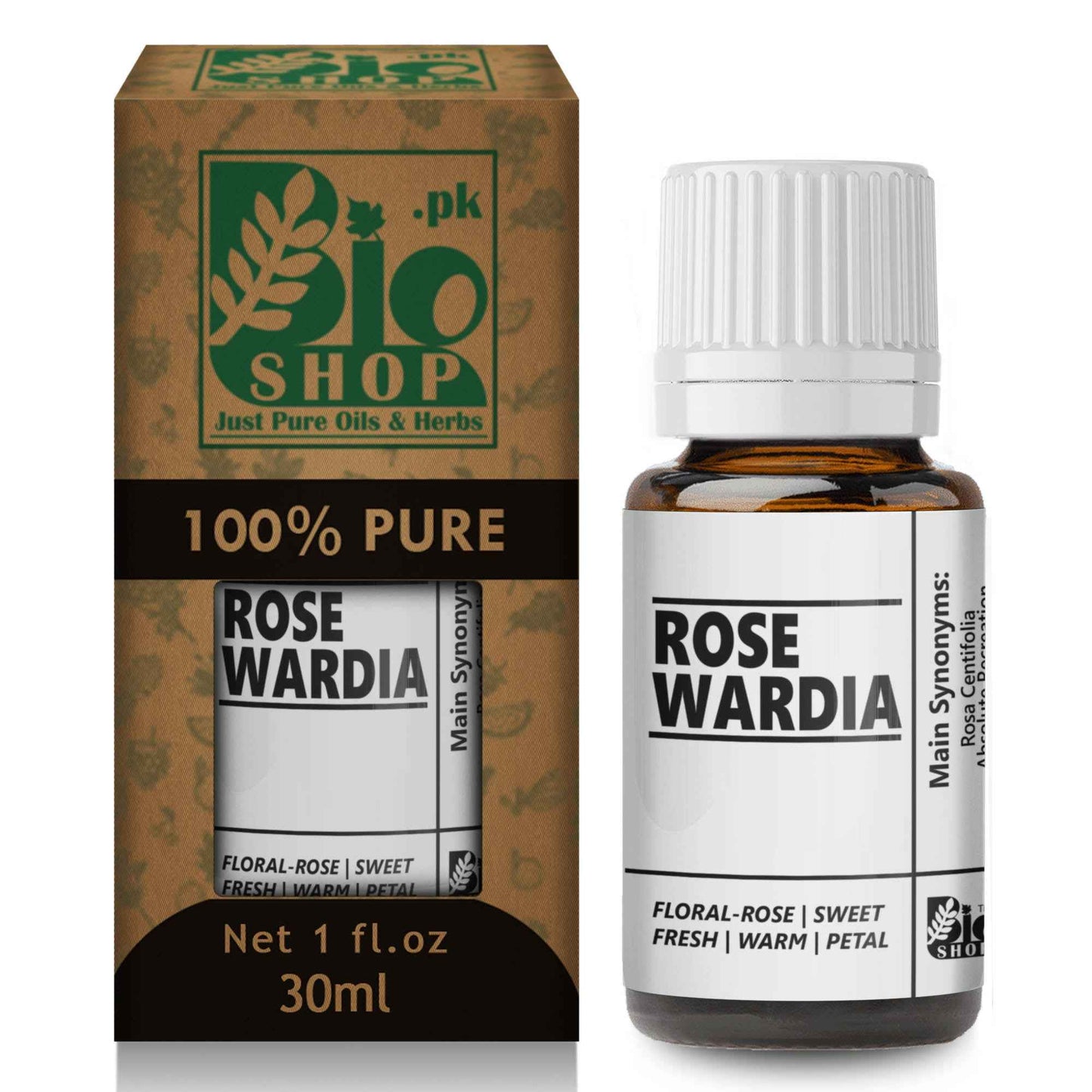
Rose Wardia
Rose Wardia
Olfactory Notes: A premium specialty rose accord; deep and realistic.
Couldn't load pickup availability
Explore
Information About Rose Wardia
Key Features
✦ Synthetic rose aroma chemical with a rich, velvety, and powdery floral rose character
✦ Modelled on the iconic scent profile of Rosa damascena — the benchmark rose in perfumery
✦ Performs in alcohol-based, oil-based, and wax-based formulation systems
✦ Core heart note for fine fragrances, attars, soaps, and personal care products
✦ Cost-effective and stable alternative to natural rose absolute and rose otto
✦ Blends seamlessly with ouds, musks, ambers, and woody materials for oriental compositions
✦ Vegan-friendly and suitable for cruelty-free product development
About Rose Wardia
Rose Wardia is a synthetic rose-type fragrance material inspired by the complex scent profile of Rosa damascena, the Bulgarian and Turkish rose that has been a cornerstone of global perfumery for centuries. The name Wardia is derived from the Arabic word for rose, directly connecting this material to the deep-rooted rose culture of South Asian and Middle Eastern perfumery traditions. It was developed to provide formulators with a stable, consistent, and affordable rose note that performs reliably across a wide range of fragrance and cosmetic applications.
What sets Rose Wardia apart is its balance of richness and blendability. Unlike some synthetic rose chemicals that skew sharply green, medicinal, or one-dimensional, Rose Wardia delivers a soft, rounded, and natural-smelling rose that integrates into a composition without overwhelming it. It has notable tenacity on skin and fabric, making it particularly suited to concentrated oriental and floral compositions where the rose note is intended to anchor the heart of the fragrance for hours.
Bio Shop Pakistan supplies cosmetic-grade Rose Wardia suitable for DIY perfumers, attar formulators, soap makers, and beauty product developers seeking a reliable and high-performing synthetic rose material.
Olfactory Profile
SCENT DESCRIPTION: Rose Wardia opens with a full-bodied and clean floral rose that is simultaneously soft and substantial. As it settles, it reveals a powdery, slightly honeyed sweetness reminiscent of freshly cut rose petals with a faint green stem in the background. The heart is rich and velvety, carrying warmth and a natural roundness. The dry-down is smooth and lasting, softening into a gentle rosy warmth that lingers naturally on skin and fabric.
NOTE POSITION : Heart / Mid Note
FRAGRANCE FAMILY : Floral · Oriental · Powdery
FACETS : Rosy · Powdery · Velvety · Sweet · Warm
TENACITY : High — 8 to 12 hours on skin
SILLAGE : Medium to High — projects well in the opening, settles to a close and intimate rosy warmth
Technical Specifications
Chemical Name : Synthetic Rose Fragrance Compound
CAS Number : Verify with supplier — trade name blends do not carry a single CAS number
Synonyms : Rose Wardia, Synthetic Rose Note, Rose Accord
Purity % : 95–99% (verify with supplier)
Appearance : Clear to pale yellow liquid
Odor Threshold : Verify with supplier
Solubility : Soluble in ethanol and carrier oils; low solubility in water
Specific Gravity : Approximately 0.95 – 1.00 g/cm³ (verify with supplier)
Flash Point : Above 60°C (verify with supplier)
Type : Synthetic
Applications & Usage Guidelines
Fine Fragrance ★★★★★
Rose Wardia is a natural fit as a heart note anchor in EDP and EDT applications. It integrates seamlessly with musks, ambers, and ouds, making it ideal for oriental, floral oriental, and classic floral fragrance families. Recommended use level is 5 to 20% in fine fragrance depending on desired prominence.
Attar & Oriental Blending ★★★★★
Rose is a cultural cornerstone in attar and concentrated oil-based perfumery, and Rose Wardia delivers exactly the richness this tradition demands. It pairs beautifully with sandalwood, agarwood, and white musk bases to produce classic South Asian and Middle Eastern rose attars. Recommended use level is 10 to 30% in concentrated attar compositions.
Functional Fragrance ★★★★☆
Rose Wardia performs well in fabric softeners, liquid detergents, and air fresheners where a soft and accessible floral rose character is commercially desirable. Stability should be tested in high-pH detergent systems before finalising the formula. Recommended use level is 0.5 to 3% in functional applications.
Cosmetics ★★★★☆
In body lotions, creams, and rinse-off personal care, Rose Wardia imparts a pleasing rose scent that enhances sensory appeal and product positioning. It is skin-safe at recommended usage levels and works well in floral-themed skincare and body care ranges. Recommended use level is 0.5 to 2% in leave-on and 0.5 to 1.5% in rinse-off products.
Home Fragrance ★★★★☆
Rose Wardia works effectively in reed diffusers, wax melts, and candles to create a soft, warm floral ambiance in living spaces. In candle applications, verify flash point compatibility with your wax system and test for scent throw and discoloration. Recommended use level is 6 to 12% in candles and 15 to 25% in reed diffusers.
IFRA & Usage Rate
RECOMMENDED USAGE RATES
EDP : 5 – 15%
EDT : 3 – 10%
Body Lotion : 0.5 – 2%
Shampoo/Body Wash : 0.5 – 1.5%
Candle : 6 – 12%
Reed Diffuser : 15 – 25%
Soap (Bar) : 1 – 3%
IFRA 51st Amendment Limits
⚠️ Rose Wardia is a trade-name synthetic blend. If it contains regulated rose components such as geraniol, citronellol, eugenol, or rose oxide, the IFRA limits of each individual component will apply. Always request a full IFRA compliance certificate from your supplier before use.
Category 4 (Fine Fragrance) : Verify with supplier
Category 5a (Body Lotion) : Verify with supplier
Category 9 (Bar Soap) : Verify with supplier
Category 11a (Candle) : Typically no restriction, but confirm
⚠️ Always obtain the IFRA safety assessment certificate from your supplier before using in leave-on cosmetics or products for sensitive skin.
⚠️ Conduct a 24-hour patch test before finalising use in rinse-off and leave-on personal care formulations.
Blending Guide
USAGE METHODS
Direct Addition: Weigh Rose Wardia precisely using a digital scale and add it directly to your fragrance base, carrier oil, or melted wax. Always begin at the lower end of the recommended usage rate and adjust upward to preference.
Pre-Dilution: For better dispersion in alcohol-based fragrances, pre-dilute Rose Wardia in perfumer's alcohol at 10 to 50% before incorporating into your formula. This gives you finer control over dosing and produces a smoother blend.
Accord Building: Use Rose Wardia as the central rose axis in an accord. Build a natural rose accord by layering geraniol for green freshness, white musk for softness and diffusion, and a small amount of benzyl benzoate as a fixative to anchor the composition and extend longevity.
BEST PAIRINGS
Sandalwood → Adds creamy warmth that deepens and elevates the rose
Oud / Agarwood → Creates a classic and powerful oriental rose-oud composition
White Musk → Softens the rose and extends its sweetness on the dry-down
Geraniol → Brightens the blend with a fresh, natural green-rose lift
Benzyl Benzoate → Acts as a fixative, anchoring and extending the rose note
Ylang Ylang → Adds a heady, slightly exotic dimension to floral rose accords
Amber / Labdanum → Brings resinous warmth and depth to oriental rose blends
Iso E Super → Opens up the diffusion and adds a smooth woody dimension
AVOID
⚠️ Avoid using Rose Wardia at high concentrations in water-based or aqueous formulations without a solubiliser. Its low water solubility will cause cloudiness and phase separation.
Perfumer's Note
Working with Rose Wardia is a reminder of why synthetic rose materials remain indispensable in serious perfumery. Natural rose absolute is extraordinary, but it is expensive, variable across harvests, and sometimes difficult to blend at the dosages required for a dominant rose character. Rose Wardia gives you a reliable, well-rounded floral backbone that a full composition can be built around with confidence. I find it particularly valuable not just as a rose accord in floral fragrances, but as a bridge material — it softens harsh woody bases, smooths rough green top notes, and adds a velvety warmth that draws people closer to the fragrance without announcing itself.
ADVANCED TIP: Try using Rose Wardia at a low dosage of 2 to 5% in masculine or woody oriental blends where a detectable rose note would not be appropriate. At this level it will not read as floral rose to most noses, but it will add a surprising roundness, warmth, and blendability that is very difficult to achieve through any other means. This technique of using rose materials sub-threshold as a texture modifier is common in professional masculine fragrance development and significantly elevates the overall character of the composition.
Safety & Storage
Physical State : Liquid
Skin Safety : Skin-safe at recommended usage levels; do not apply undiluted to skin
Eye Contact : Avoid direct contact; rinse immediately with clean water if contact occurs
Ingestion : Not for internal use; store away from children and food items
Ventilation : Work in a well-ventilated area; avoid prolonged or repeated inhalation
Storage : Store in a cool, dark location away from heat, humidity, and sunlight
Shelf Life : 2 to 3 years from manufacture date when stored correctly in a sealed container
Container : Keep in original sealed container; amber or dark glass is preferred for long-term storage
Flammability : Combustible; keep away from open flames, sparks, and direct heat sources
FAQ
Q: What is Rose Wardia and what is it used for?
A: Rose Wardia is a synthetic rose aroma chemical used as a heart note in fine fragrances, attars, soaps, and personal care products. It provides a rich, powdery, and natural-smelling rose character at an accessible price point.
Q: Is Rose Wardia suitable for beginners?
A: Yes, it is beginner-friendly and blends well with most fragrance materials. Start at 5% in a carrier oil or alcohol base and adjust based on the strength and character you want in your formula.
Q: Can Rose Wardia be used in candles and diffusers?
A: Yes. Use at 6 to 12% in candle wax and 15 to 25% in reed diffusers. Always verify flash point compatibility with your wax type and test for scent throw and colour stability before final production.
Q: Is Rose Wardia natural or synthetic?
A: Rose Wardia is fully synthetic. It is engineered to replicate the character of natural rose but is not derived from rose flowers. It is however vegan-friendly and widely accepted in professional and DIY perfumery.
Q: How does Rose Wardia compare to natural rose absolute?
A: Natural rose absolute has greater complexity, nuance, and natural variation, but is expensive and can behave inconsistently across batches. Rose Wardia offers stable and predictable performance, better formula compatibility, and affordability — making it the practical and reliable choice for most DIY and independent commercial applications.
Where Can You Safely Use Rose Wardia?
Discover how Rose Wardia performs across different applications—rated for safety, stability, and effectiveness.


