


Bio Shop
Sodium Benzoate Powder
Sodium Benzoate Powder
Key Functions: Broad-spectrum preservation, inhibits microbial growth, extends shelf life, and protects formula integrity.
Couldn't load pickup availability

Explore
Information About Sodium Benzoate Powder
✅ Key Features
✦ Broad-spectrum preservative effective against bacteria, yeasts, and molds in water-based formulas
✦ Freely water-soluble powder — dissolves cleanly in the water phase with no heating required
✦ Works synergistically with potassium sorbate to create a complete, paraben-free preservation system
✦ Most active in acidic formulas at pH 4.5 to 5.5 — ideal for toners, serums, and conditioners
✦ Approved cosmetic preservative listed in EU Cosmetics Regulation Annex V (Entry 25)
✦ Low effective use level of 0.1 to 0.5 percent makes it one of the most cost-efficient preservatives available
✦ Suitable for rinse-off and leave-on products including lotions, shampoos, facial mists, and body washes
🔬 Description
Sodium Benzoate is the sodium salt of benzoic acid, an organic acid that occurs naturally in cranberries, prunes, apples, cinnamon, and cloves. First produced commercially in the late 19th century, it has a long and well-documented history as both a food and cosmetic preservative. In professional cosmetic formulation, it is listed by its INCI name Sodium Benzoate and has been a standard ingredient in preservation systems used globally for decades.
What makes Sodium Benzoate particularly valuable is its pH-dependent antimicrobial mechanism. At pH levels below 5.5, the dissociated benzoate ion converts to undissociated benzoic acid, which is lipophilic enough to cross microbial cell membranes. Once inside the cell, it disrupts the proton gradient and inhibits key enzymatic functions, preventing microbial proliferation. This mechanism is highly effective in acidic leave-on products such as facial toners, vitamin serums, and pH-balanced conditioners. When combined with potassium sorbate, the two preservatives address complementary microbial targets, producing a well-rounded preservation system that works at low total concentrations without formaldehyde-releasers or parabens.
Bio Shop Pakistan supplies cosmetic-grade Sodium Benzoate suitable for DIY beauty formulators, professional cosmetic manufacturers, soap makers, and small-batch skincare producers.
📊 Technical Data
INCI Name : Sodium Benzoate
Chemical Name : Sodium salt of benzoic acid
CAS Number : 532-32-1
Molecular Formula : C7H5NaO2
Appearance : White crystalline powder
Odor : Odorless to faintly characteristic
pH (1% solution) : 8.0 – 9.5
Solubility : Freely soluble in water (approx. 660 g/L at 25°C); slightly soluble in ethanol
Specific Gravity : 1.44 g/cm³ (approx.)
Flash Point : Not applicable — non-flammable solid
HLB Value : Not applicable
Recommended Use Level : 0.1% – 0.5%; maximum 2.5% (as benzoic acid) in rinse-off per EU Annex V
Type : Synthetic Cosmetic Preservative — EU Annex V (Entry 25)
Shelf Life : 2 – 3 years in original sealed packaging stored in cool dry conditions
🧪 Recommended Usage
Skincare (Creams, Serums, Lotions)
Rating: ★★★★★
Sodium Benzoate is an excellent preservative choice for water-based skincare including toners, hydrating serums, and light emulsions where pH can be controlled below 5.5. Add it to the water phase during formulation and confirm final pH before packaging to maintain full antimicrobial activity.
Haircare (Shampoo, Conditioner, Masks)
Rating: ★★★★★
Highly effective in rinse-off haircare products where the formulation pH naturally falls within the acidic range where Sodium Benzoate performs best. Pair with potassium sorbate at equal ratios for a complete preservation system in conditioning masks and leave-in treatments.
Soap Making (Cold Process, Melt and Pour)
Rating: ★★☆☆☆
Not suitable for cold process or hot process soap making due to the high alkaline pH that renders Sodium Benzoate completely inactive. It may be incorporated into melt-and-pour bases only where the finished product pH and formulation allows for effective use-level activity.
Body Care (Scrubs, Butters, Balms)
Rating: ★★★☆☆
Useful in water-containing body lotions, emulsified scrubs, and light body milks but not effective in anhydrous butters, solid balms, or wax-based formats. Only include Sodium Benzoate in body care formulas where a water phase is present and final pH can be adjusted to the effective range.
Functional Cosmetics (Deodorants, Sunscreen, Baby Care)
Rating: ★★★☆☆
Suitable for deodorant sprays and roll-on formulas with a controlled acidic pH, and can be used in some sunscreen emulsions where compatibility with actives is verified. Exercise caution in baby care products and always avoid combining with ascorbic acid or Vitamin C derivatives due to benzene formation risk.
💡 Pro Tip
In my formulation practice, Sodium Benzoate is almost never used in isolation — its real strength emerges when it is paired with potassium sorbate. Together, they form a cost-effective, paraben-free preservation system that delivers broad-spectrum coverage across bacteria, yeasts, and molds without pushing total preservative concentration above regulatory comfort zones. I always dissolve both preservatives in the water phase at room temperature before emulsification, and I measure final formula pH only after all actives, acids, and buffers have been incorporated to avoid recalibrating the system multiple times. The single most important formulation discipline with this preservative is finishing pH verification — every batch.
ADVANCED TIP: Build a synergistic preservative blend by combining Sodium Benzoate at 0.3% with Potassium Sorbate at 0.2% in the water phase, both dissolved at room temperature. After completing emulsification and adding all actives, lower the formula pH to between 4.5 and 5.0 using a 10% citric acid solution added dropwise with gentle mixing. This dual-preservative system achieves broad-spectrum protection across most rinse-off and leave-on emulsions, keeps total preservative load well within EU Annex V limits, and eliminates the need for formaldehyde-releasers in your preservation strategy.
👩🔬 Skin Type Suitability
Normal Skin : ★★★★★ — Well tolerated at recommended concentrations with no known sensitization concern in standard aqueous formulations.
Dry Skin : ★★★★☆ — Compatible when used inside moisturizing emulsions; does not directly address dryness but safely preserves the formula without disrupting skin barrier function.
Oily Skin : ★★★★☆ — Particularly effective in lightweight toners and oil-control gel formulas where water solubility and low use level are both advantages.
Combination : ★★★★☆ — Suitable for balancing toners, light serums, and gel-cream hybrids formulated for combination skin at standard recommended levels.
Sensitive Skin : ★★★☆☆ — Generally safe at low concentrations but patch testing is advised as rare cases of contact sensitivity to benzoate compounds have been documented.
Mature Skin : ★★★★☆ — Preserves anti-aging serums, peptide emulsions, and hydrating treatments without interfering with active ingredient performance.
Acne-Prone : ★★★★☆ — Useful in pH-balanced acne treatment toners and water-gel cleansers; non-comedogenic and does not aggravate breakouts at effective use levels.
🧴 Formulation Ideas
CONCEPT 1: pH-Balanced Brightening Toner
Usage Level : 0.3%
Key Ingredients: Potassium Sorbate, Niacinamide, Rose Hydrosol, Citric Acid
Result : A clear, water-based facial toner with complete broad-spectrum preservation that brightens uneven skin tone and refines pores with a stable 12-month shelf life.
CONCEPT 2: Conditioning Rinse-Off Hair Treatment
Usage Level : 0.3%
Key Ingredients: Potassium Sorbate, Behentrimonium Methosulfate, Panthenol, Citric Acid
Result : A lightweight rinse-off conditioner with effective dual-preservative protection and a balanced pH that leaves hair smooth, detangled, and manageable.
CONCEPT 3: Gentle Micellar Cleansing Water
Usage Level : 0.2%
Key Ingredients: Potassium Sorbate, Polysorbate 20, Glycerin, Sodium PCA
Result : A soft, water-based micellar formula with long-term microbial protection that lifts makeup and impurities efficiently without stripping or irritating the skin.
💧 Safety and Regulatory:
INCI Declared : Yes — required on product label at all concentrations under EU and Pakistani cosmetic labeling standards
EU Cosmetics Reg : Permitted — listed in Annex V (Preservatives), Entry 25 (Benzoic acid and its salts); maximum 2.5% as acid in rinse-off products; 0.5% as acid in leave-on products
Rinse-Off Limit : 2.5% (expressed as benzoic acid) — EU Annex V, Entry 25
Leave-On Limit : 0.5% (expressed as benzoic acid) — verify with supplier for specific product category requirements
Allergen Alert : No — not a listed EU fragrance allergen; rare benzoate contact sensitivity cases reported at higher concentrations
Skin Safety : Safe at recommended levels of 0.1% to 0.5%; do not exceed regulatory maximum in finished product
Eye Area Use : Use with caution — avoid direct contact with eyes; not recommended in dedicated eye area leave-on products
Ingestion : Not for internal use
Pregnancy Use : Consult physician — low cosmetic exposure at recommended levels is generally considered low risk
Child Safety : Avoid in baby care products for children under 3 without physician guidance; use well-diluted in older children's rinse-off products only
Ventilation : Not required under normal handling and weighing conditions
Storage : Cool dry place, away from moisture, heat, and direct light; keep container tightly sealed between uses
Container : HDPE or glass — avoid reactive metals and humid storage environments
⚠️ Warning: Sodium Benzoate must not be combined with ascorbic acid (Vitamin C), erythorbic acid, or their derivatives in the same formulation. Under conditions of low pH, heat, and light exposure, this combination can generate trace amounts of benzene, a classified carcinogen. Always review your full ingredient list for Vitamin C sources before selecting this preservative. Store finished products away from direct light and high temperatures.
Stability and Compatibility
Working pH Range : 2.5 – 5.5 (optimal); usable with reduced efficacy up to pH 6.0; largely inactive above pH 6.0
Heat Stability : Stable up to 100°C; dissolve in water phase before emulsification; avoid prolonged exposure above this temperature
Freeze-Thaw Stable : Yes
Emulsion Type : O/W, W/O, or Both — added to and dissolved in the water phase only regardless of emulsion type
Emulsification Phase: Hot or Cold — dissolve in water phase at either stage; add during cool-down if heat-sensitive actives are present
Compatible With : Potassium sorbate, glycerin, niacinamide, hyaluronic acid, hydrosols, panthenol, and most water-soluble actives
Incompatible With : Ascorbic acid and erythorbic acid (benzene formation risk); high concentrations of cationic surfactants may reduce preservative efficacy
Oxidation Risk : Low — no antioxidant addition required for Sodium Benzoate itself
Discoloration Risk : None under normal storage and formulation conditions; possible yellowing in formulas containing iron compounds or certain metal traces
Formulation Notes : Always dissolve completely in the water phase before combining with other phases. Verify final formula pH after all actives and pH modifiers have been incorporated to confirm the effective range of 4.5 to 5.5 has been achieved.
❓ FAQs
Q: What is Sodium Benzoate used for in cosmetic formulations?
A: Sodium Benzoate is a water-soluble cosmetic preservative that prevents the growth of bacteria, yeasts, and molds in aqueous and emulsion-based formulas. It is widely used in toners, shampoos, conditioners, lotions, and cleansers to extend shelf life and maintain product safety throughout use.
Q: At what pH does Sodium Benzoate work best?
A: Sodium Benzoate is most effective between pH 4.5 and 5.5, where it exists primarily as undissociated benzoic acid — the active antimicrobial form. Above pH 6.0, the compound dissociates fully and loses the majority of its preservative activity, making pH adjustment a non-negotiable step in any formula using this ingredient.
Q: Can Sodium Benzoate be used in anhydrous products like body butters or lip balms?
A: No. Sodium Benzoate is a water-soluble compound with no meaningful preservative activity in water-free systems such as body butters, wax-based lip balms, or oil-only formulas. It is only effective where a water phase is present and the final product pH can be brought into the acidic range.
Q: Is it safe to use Sodium Benzoate alongside Vitamin C or ascorbic acid?
A: Sodium Benzoate must not be combined with ascorbic acid or erythorbic acid in the same formula. Under acidic pH, heat, and light exposure, this pairing can generate trace amounts of benzene, a known carcinogen. If your formula includes any Vitamin C source, select an alternative preservative such as phenoxyethanol or ethylhexylglycerin instead.
Q: How does Sodium Benzoate compare to Potassium Sorbate as a preservative?
A: Both are water-soluble, natural-derived preservatives that work in the acidic pH range, but they target different microorganisms — Sodium Benzoate is stronger against bacteria, while Potassium Sorbate is more effective against yeasts and molds. Combining both at 0.2 to 0.3 percent each produces a more complete broad-spectrum system than either alone, which is why professional formulators routinely use them as a pair rather than choosing one over the other.
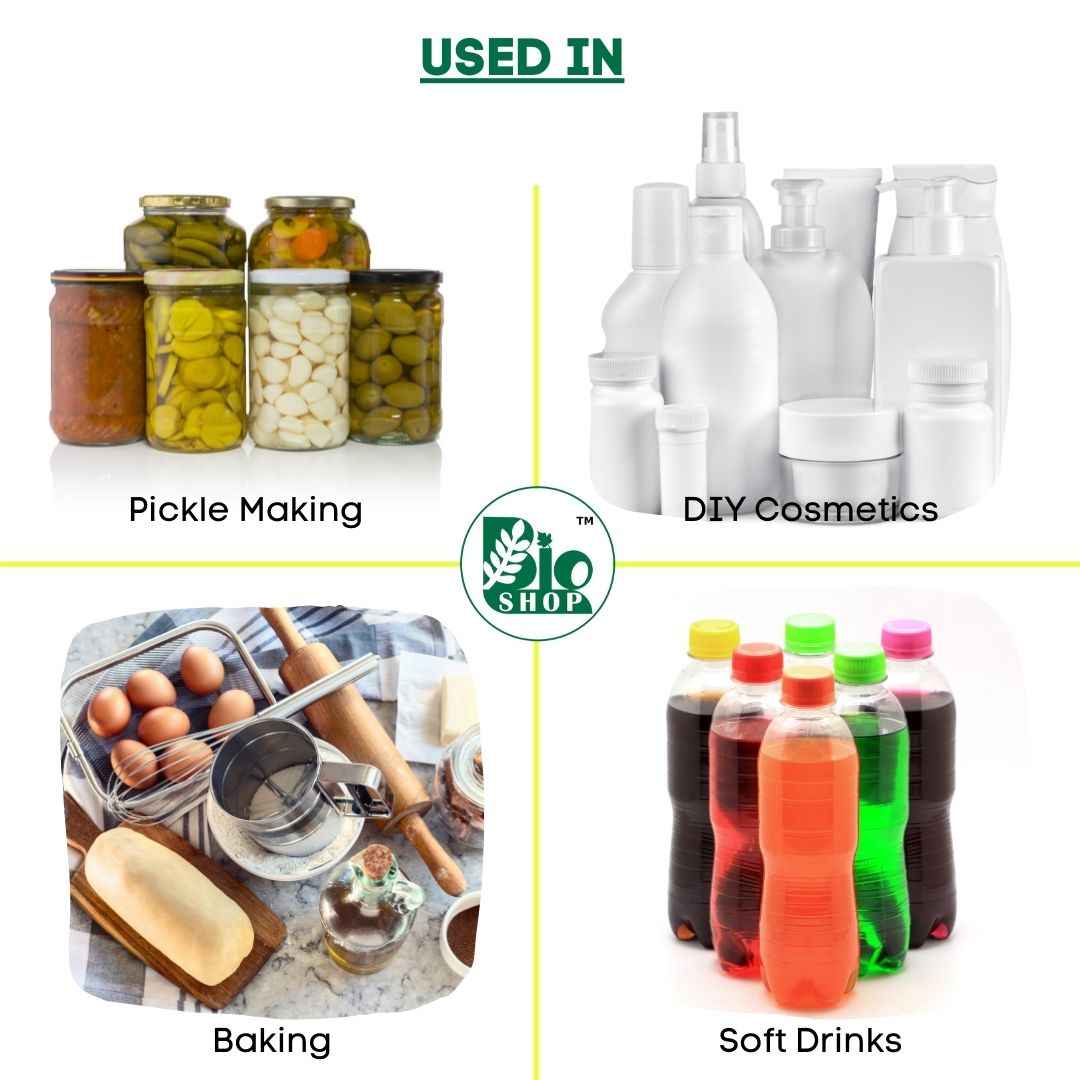
Where Can You Safely Use Sodium Benzoate Powder
Discover how Sodium Benzoate Powder performs across different products — rated for safety, stability, and effectiveness.


