Bio Shop
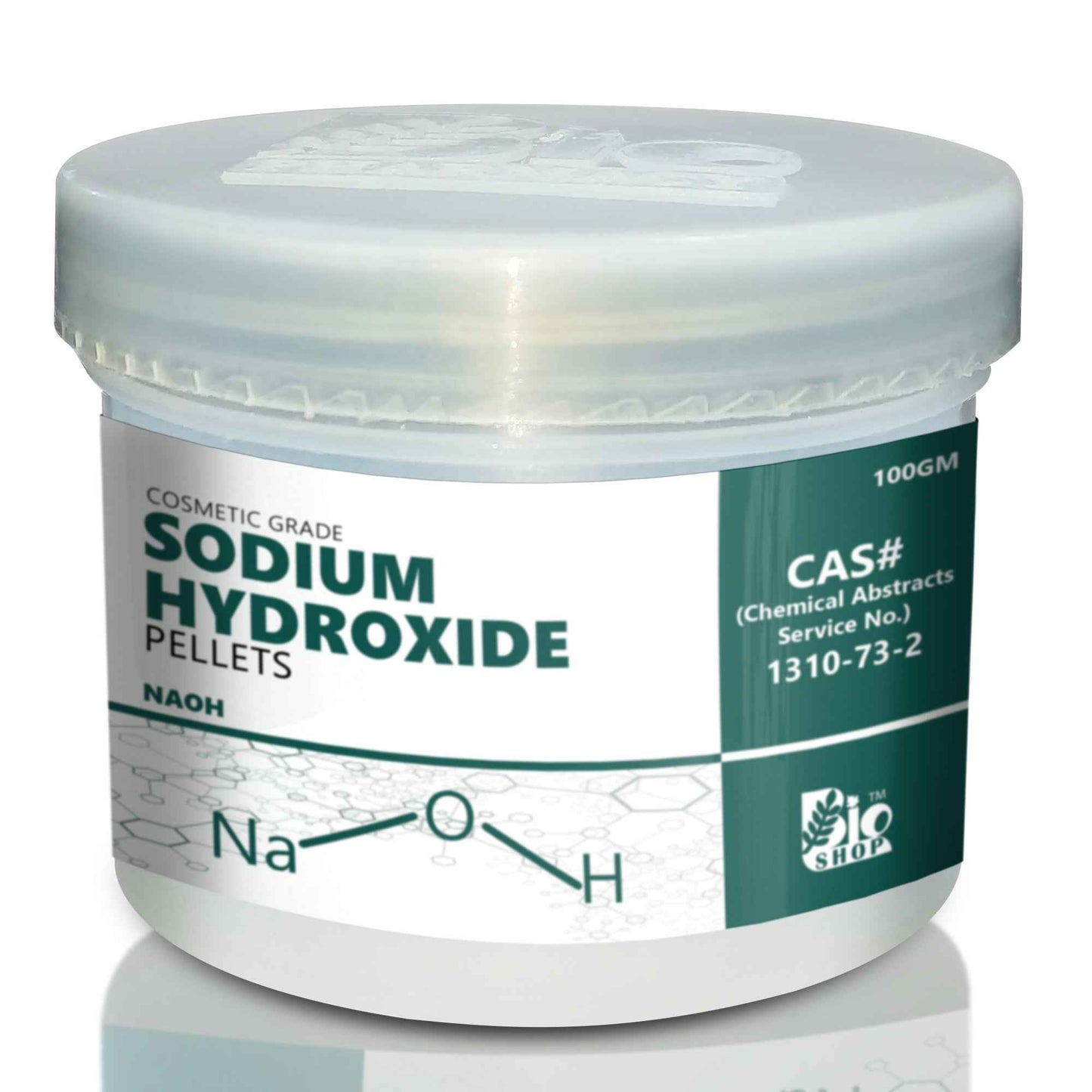
Sodium Hydroxide
Sodium Hydroxide
Key Functions: Saponifies oils, adjusts pH, produces hard bar soaps, enables CP soap.
Couldn't load pickup availability
Explore
Information About Sodium Hydroxide
✅ Key Features
✦ Primary saponification agent for cold process and hot process hard bar soap — no substitute exists for this reaction
✦ Fully consumed in saponification when correctly calculated — no free lye remains in properly formulated finished soap
✦ Reacts with oils and butters to produce soap salts and naturally occurring glycerin as a co-product
✦ Used as a trace pH adjuster in professional cosmetic formulas including vitamin C serums and specialty cleansers
✦ Inorganic alkali with CAS 1310-73-2 — fully characterized, globally regulated, and cosmetic-grade verified
✦ Permitted in professional hair relaxer systems at restricted concentrations per EU Cosmetics Regulation Annex III
✦ Cosmetic-grade purity ensures minimal impurities critical for personal care and soap formulation consistency
🔬 Description
Sodium Hydroxide, commonly known as caustic soda or lye, is an inorganic strong base with the molecular formula NaOH. It has been used in soap production for centuries, with early forms of lye historically derived from wood ash leachate. Today, cosmetic-grade sodium hydroxide is a highly purified compound manufactured to tight specifications and used in modern soap making, professional hair care chemistry, and precision pH adjustment in cosmetic formulations worldwide.
The defining property of sodium hydroxide in cosmetics is saponification — a chemical reaction between NaOH and fatty acid triglycerides in oils and butters that produces soap salts and free glycerin. When calculated correctly using the saponification value of each oil and applied with a standard superfat of 5–8%, sodium hydroxide is entirely consumed in the reaction, leaving no residual alkali in the finished bar. Its extreme alkalinity also allows formulators to raise the pH of aqueous cosmetic systems with precision using very small quantities, making it indispensable in low-pH serum manufacturing and technical cosmetic formulation.
Bio Shop Pakistan supplies cosmetic-grade Sodium Hydroxide suitable for DIY soap makers, professional formulators, cosmetic chemistry students, and beauty entrepreneurs across Pakistan.
📊 Technical Data
INCI Name : Sodium Hydroxide
Chemical Name : Sodium Hydroxide
CAS Number : 1310-73-2
Molecular Formula : NaOH
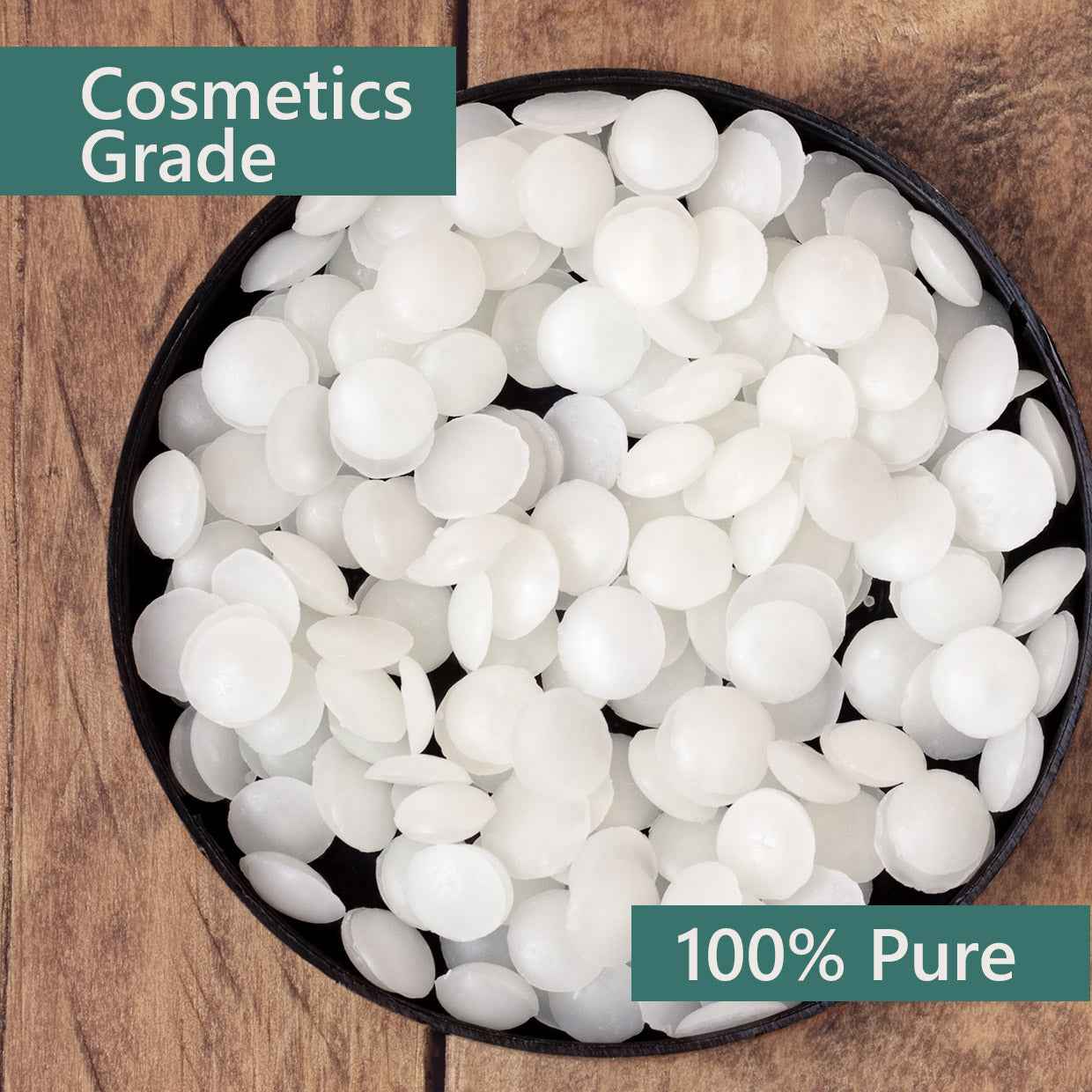
Appearance : White pellets, flakes, or granules
Odor : Odorless
pH (1% solution) : ~13 (highly alkaline)
Solubility : Freely soluble in water — dissolution is highly exothermic
Specific Gravity : 2.13 g/cm³ (solid)
Flash Point : Not Applicable — non-combustible solid
HLB Value : Not Applicable
Recommended Use Level : As required per saponification calculation; minimum effective quantity as pH adjuster
Type : Inorganic alkali / Strong base
Shelf Life : 2 years in sealed, moisture-proof container
🧪 Recommended Usage
Soap Making (Cold Process, Hot Process)
Rating: ★★★★★
Sodium Hydroxide is the essential saponification agent for hard bar soap production — no functional substitute exists in CP or HP formulation. Always use a lye calculator to determine exact NaOH quantity based on the SAP values of each individual oil in your blend.
pH Adjustment (Serums, Cleansers, Specialty Formulas)
Rating: ★★★★☆
Used at very low concentrations to raise pH in aqueous cosmetic formulas such as vitamin C serums, low-pH treatments, and syndet cleansers. Prepare as a 10–20% aqueous solution first for controlled, incremental, and precise pH addition.
Professional Hair Relaxers
Rating: ★★★☆☆
Permitted in professional hair straightening and relaxer systems at restricted concentrations per EU Annex III. Requires professional training, precise application timing, and strict neutralization protocol — not suitable for home use at relaxer concentrations.
Liquid Soap and Syndet Bars
Rating: ★★★☆☆
NaOH produces firm hard bar soaps; for liquid soap or paste, Potassium Hydroxide is the preferred alkali. NaOH can be blended with KOH in calculated ratios to produce semi-solid or cream soap textures.
Specialty Cosmetic and Industrial Cleaning Applications
Rating: ★★☆☆☆
Used in some professional cosmetic equipment sterilization and specialty cleaning formulas. Not suitable as a direct ingredient in leave-on consumer cosmetic products under any circumstance.
💡 Pro Tip
When I formulate with sodium hydroxide for cold process soap, the single most important discipline is calculating lye quantity from the individual SAP value of every oil in the blend — never using a blended average. Even a modest excess of free lye produces a harsh, zapping bar that will irritate sensitive skin. I superfat every CP formula at 5–8% as standard practice, deliberately reducing NaOH slightly below full saponification to build in a safety margin of unsaponified conditioning oils. This margin also compensates for minor scale inaccuracies during home batch production.
ADVANCED TIP: When using sodium hydroxide as a pH adjuster in L-Ascorbic Acid serums, prepare a 10% NaOH aqueous solution and add it dropwise to the serum base while monitoring continuously with a calibrated pH meter. Target a final pH of 2.8–3.2 for maximum ascorbic acid stability and transdermal penetration. Add in increments of 2–3 drops, wait 30 seconds for equilibration, then re-read. This prevents localized over-alkalization at the point of addition, which degrades vitamin C concentration irreversibly within the formula.
👩🔬 Skin Type Suitability
Normal Skin : ★★★★★ — Properly superfatted NaOH soap at 5–8% superfat cleanses normal skin effectively without stripping or barrier disruption.
Dry Skin : ★★★☆☆ — High-pH NaOH soap can compromise the moisture barrier of dry skin; oil-rich formulas with generous superfatting are essential.
Oily Skin : ★★★★☆ — NaOH-based soap delivers effective degreasing cleansing that suits oily skin well when superfatted at standard levels.
Combination : ★★★★☆ — Balanced cold process soap with a well-designed oil profile suits combination skin adequately with standard superfatting.
Sensitive Skin : ★★☆☆☆ — Alkaline soap can disturb the acid mantle and microbiome of sensitive skin; pH-balanced syndet bars are strongly preferred.
Mature Skin : ★★★☆☆ — High-pH soap can accelerate barrier compromise in aging skin; extra-rich superfatted formulas with conditioning butters are critical.
Acne-Prone : ★★★☆☆ — Alkaline NaOH soap may over-strip sebum on acne-prone skin, disrupting barrier balance; pH-adjusted cleansers around 5.5 are preferable.
🧴 Formulation Ideas
CONCEPT 1: Classic Olive and Coconut Hard Bar Soap
Usage Level : Per saponification calculation — typically 12–14% of total oil weight
Key Ingredients: Olive Oil, Coconut Oil, Distilled Water, Sodium Hydroxide
Result : A firm, long-lasting bar soap with balanced lather, gentle cleansing, and naturally retained glycerin from the saponification reaction.
CONCEPT 2: pH-Adjusted Vitamin C Brightening Serum
Usage Level : 0.1–0.5% (as a pre-diluted 10% aqueous solution, added to achieve target pH 3.0)
Key Ingredients: L-Ascorbic Acid 15%, Ferulic Acid 0.5%, Propylene Glycol, Distilled Water, Sodium Hydroxide
Result : A stable, skin-penetrating vitamin C serum optimized at low pH for maximum antioxidant efficacy and collagen synthesis stimulation.
CONCEPT 3: Conditioning Solid Shampoo Bar
Usage Level : Per saponification calculation for the chosen oil blend
Key Ingredients: Castor Oil, Coconut Oil, Sweet Almond Oil, Sodium Hydroxide, Panthenol (added post-trace)
Result : A conditioning solid shampoo bar with stable lather and scalp-cleansing performance suited for normal to oily hair types.
💧 Safety and Regulatory:
INCI Declared : Yes — all cosmetic ingredients must be declared; in fully saponified CP soap, NaOH may not appear if entirely consumed in reaction
EU Cosmetics Reg : Restricted — Annex III Entry 15; permitted as pH adjuster at minimum effective quantity; max 4.5% in professional hair relaxers, max 2% in consumer relaxers
Rinse-Off Limit : No fixed percentage for pH adjuster use — sufficient quantity to achieve required pH only
Leave-On Limit : Not recommended as a leave-on ingredient in any finished cosmetic product
Allergen Alert : No — not a skin allergen; classified as a severe chemical irritant and corrosive at raw material stage
Skin Safety : Raw material is highly corrosive — never apply undiluted to skin; finished products must be formulated to safe pH before use
Eye Area Use : Avoid — raw sodium hydroxide causes immediate and severe irreversible ocular damage
Ingestion : Not for internal use
Pregnancy Use : Consult physician — raw material handling during pregnancy should be minimized and fully protective gear used
Child Safety : Keep away from children entirely; not for use in products intended for children unless fully saponified with finished product safety tested
Ventilation : Required when dissolving NaOH in water — significant heat and alkaline fumes are generated during dissolution
Storage : Cool, dry place in sealed airtight container — highly hygroscopic; absorbs atmospheric moisture and CO₂, degrading purity over time
Container : HDPE or glass only — never use aluminum, zinc, tin, galvanized, or any reactive metal container
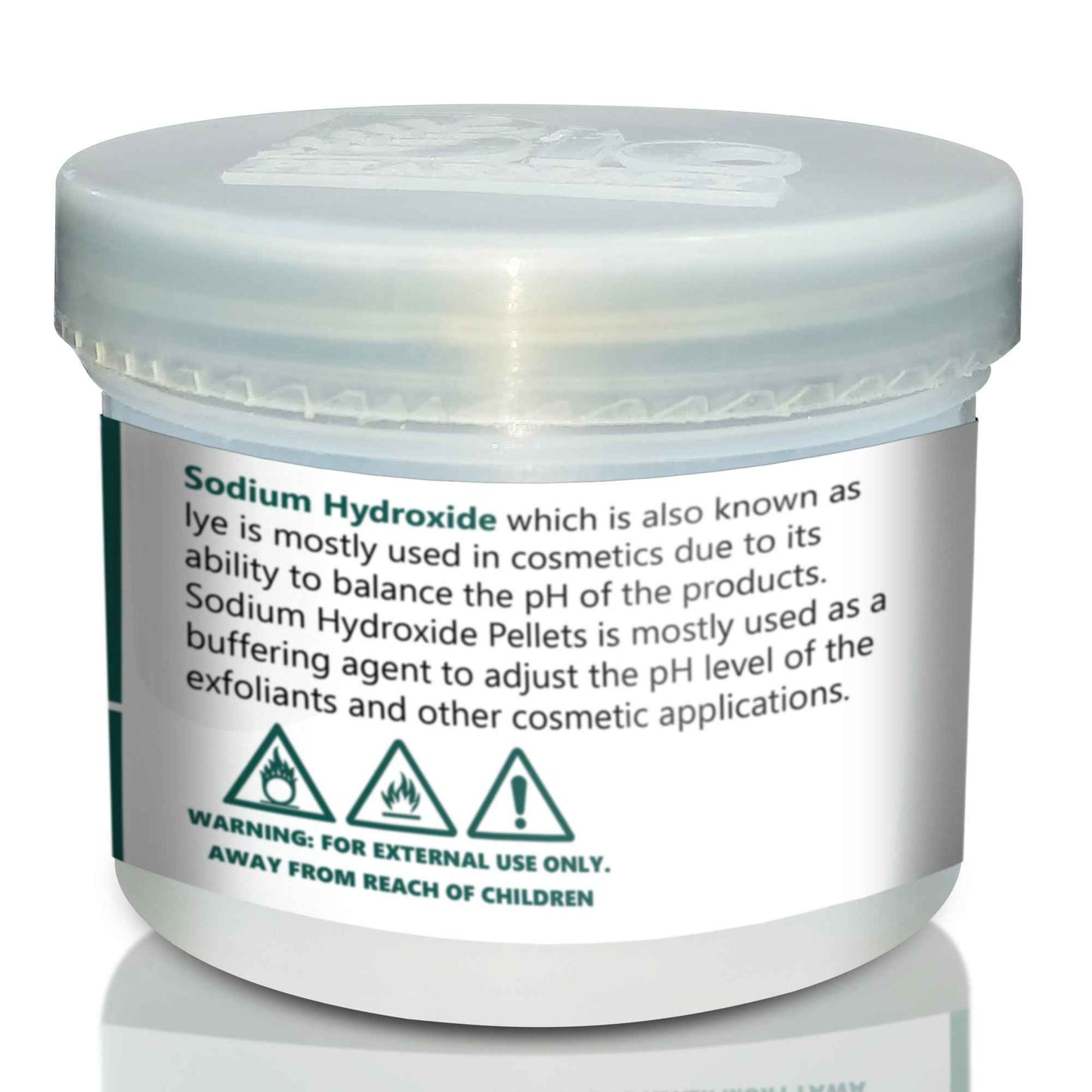
⚠️ WARNING: Sodium Hydroxide is a highly corrosive strong alkali classified GHS Category 1 for skin and eye damage. Undiluted contact causes immediate chemical burns requiring emergency flushing. Always wear chemical-resistant gloves, sealed safety goggles, and a protective apron. Never add water to lye — always add NaOH slowly to water with stirring. Inhalation of dissolution fumes can cause respiratory tract irritation. Store sealed away from acids, reactive metals, and all moisture sources. Keep out of reach of children at all times with no exception.
Stability and Compatibility
Working pH Range : 12–14 (raw material); used to raise finished formula pH to target range
Heat Stability : Stable as solid; dissolution in water generates significant exothermic heat — solution temperature can exceed 80°C during mixing
Freeze-Thaw Stable : Yes (stable as solid; high-concentration aqueous solutions may crystallize at low temperatures)
Emulsion Type : Not Applicable — not an emulsifier; functions as saponification agent or pH adjuster only
Emulsification Phase: Cold or Hot — always add prepared, cooled NaOH solution to formulation; never add raw solid directly
Compatible With : Oils and butters for saponification, distilled water, glycerin, propylene glycol, most cosmetic bases at trace pH-adjusting levels
Incompatible With : Acids at any concentration (violent exothermic neutralization), aluminum and reactive metals, high-ester concentrations under prolonged alkaline conditions
Oxidation Risk : Low — stable inorganic compound; no oxidation sensitivity
Discoloration Risk : None — colorless in solution; note that some oils naturally discolor during saponification, which is unrelated to NaOH purity
Formulation Notes : Always dissolve NaOH in water slowly with continuous stirring — never reverse this order. For CP soap, allow lye solution to cool to 35–45°C before combining with oils. For pH adjustment in cosmetics, use a pre-diluted 10–20% solution and add in small increments with pH monitoring.
❓ FAQs
Q: Is sodium hydroxide safe to use in homemade soap?
A: Yes, when used at the correctly calculated quantity, sodium hydroxide is entirely consumed during saponification and does not remain in the finished soap. Always use a reliable lye calculator, wear full protective gear during handling, and perform a zap test before use.
Q: How do I calculate the correct amount of sodium hydroxide for my soap recipe?
A: Each oil and butter has a unique saponification value indicating how many grams of NaOH are required to saponify one gram of that fat. Input your oil weights and types into a lye calculator, set a 5–8% superfat, and use the resulting NaOH figure precisely.
Q: Can sodium hydroxide be used in skincare products like serums or creams?
A: Yes, but only as a trace pH adjuster, always as a pre-diluted 10–20% aqueous solution added in small increments. It neutralizes with formula acids to form salts and is not present in its raw form in any properly manufactured finished cosmetic product.
Q: What happens if I use too much sodium hydroxide in a soap batch?
A: Excess free lye produces a harsh bar that will zap (sting) the tongue on testing and cause skin irritation in use. The batch can be rescued by rebatching with additional unsaponified oils calculated to neutralize the free alkali and restore a proper superfat level.
Q: How does sodium hydroxide compare to potassium hydroxide for soap making?
A: Sodium Hydroxide produces hard, firm bar soaps through complete saponification of solid and liquid oils, while Potassium Hydroxide produces soft paste or liquid soaps and requires a different SAP value calculation. For a hard pressed bar, NaOH is the correct choice; for liquid soap concentrate or shampoo base, KOH is preferred. Blending both in calculated ratios produces semi-solid cream soap textures.
Where Can You Safely Use Sodium Hydroxide
Discover how Sodium Hydroxide performs across different products — rated for safety, stability, and effectiveness.
Great product and price is very nice.
Bohat shukriya aap ke itne positive feedback ke liye!
Humein bohat khushi hui ke aap ko product quality aur price dono pasand aaye.
Aap jese customers ka trust hi Bio Shop™ ko grow karne mein help karta hai 🙌
InshaAllah hum aap ko future mein bhi best quality aur value provide karte rahenge.
Agar aap aur products try karein, zaroor apna experience share karein — we’d love to hear from you! ✨