Bio Shop
Styrallyl Acetate
Styrallyl Acetate
Olfactory Notes: Green · Rhubarb · Floral · Fruity · Fresh · Slightly Tart
Couldn't load pickup availability

Explore
Information About Styrallyl Acetate
Key Features
✦ Sweet, soft, rose-like and fruity ester aroma chemical — essential for floral fragrance construction
✦ Core ingredient in rose, gardenia, muguet and green floral accords across fine fragrance and attar work
✦ Excellent blending versatility — bridges citrus top notes with floral hearts and warm bases seamlessly
✦ Stable in alcohol, emulsions, and most cosmetic bases — suitable for a wide range of product types
✦ Used in iconic floral and chypre style fragrances as a natural rose-softening agent
✦ Vegan and cruelty-free — 100% synthetically produced with no animal-derived components
✦ Available at 98%+ purity — cosmetic and fragrance grade, ready for professional formulation
About Styrallyl Acetate
Styrallyl Acetate, also known as 1-Phenylethyl Acetate or alpha-Methylbenzyl Acetate, is a synthetic aromatic ester that has been used in perfumery for decades. It was developed as a cost-effective and stable alternative to some of the more volatile natural floral compounds, and quickly found its place in floral, chypre, and oriental fragrance families. Its gentle, powdery rose-fruity profile made it indispensable in classic 20th-century perfumery and it continues to be widely used in modern formulations.
What makes Styrallyl Acetate particularly valuable is its ability to replicate the smooth, natural warmth of rose petals without the complexity or cost of rose absolute or rose otto. It blends exceptionally well with geraniol, citronellol, linalool, and other floral aroma chemicals, making it a foundation ingredient for rose and muguet accords. Its moderate volatility places it at the intersection of top and heart notes, giving compositions an early floral brightness that transitions gracefully into the heart.
Bio Shop Pakistan supplies cosmetic-grade Styrallyl Acetate suitable for DIY perfumers, attar blenders, cosmetic product developers, and home fragrance crafters seeking a reliable and affordable floral ester for their formulations.
Olfactory Profile
Styrallyl Acetate opens with a sweet, clean, and fruity character reminiscent of ripe rose petals with a soft green undertone. As it develops, a gentle floral warmth emerges — powdery, smooth, and slightly waxy in nature. It carries the rounded softness of gardenia and muguet with a faint hint of fresh fruit. The overall impression is clean, feminine, and naturally elegant — never sharp or synthetic in character.
NOTE POSITION : Top to Mid Note
FRAGRANCE FAMILY : Floral, Fruity, Green Floral
FACETS : Sweet · Rosy · Fruity · Powdery · Green
TENACITY : Medium — approximately 4 to 6 hours on skin, longer on fabric
SILLAGE : Medium — projects gently in the immediate vicinity, adds warmth and softness to the overall diffusion trail
Technical Specifications
Chemical Name : 1-Phenylethyl Acetate (alpha-Methylbenzyl Acetate)
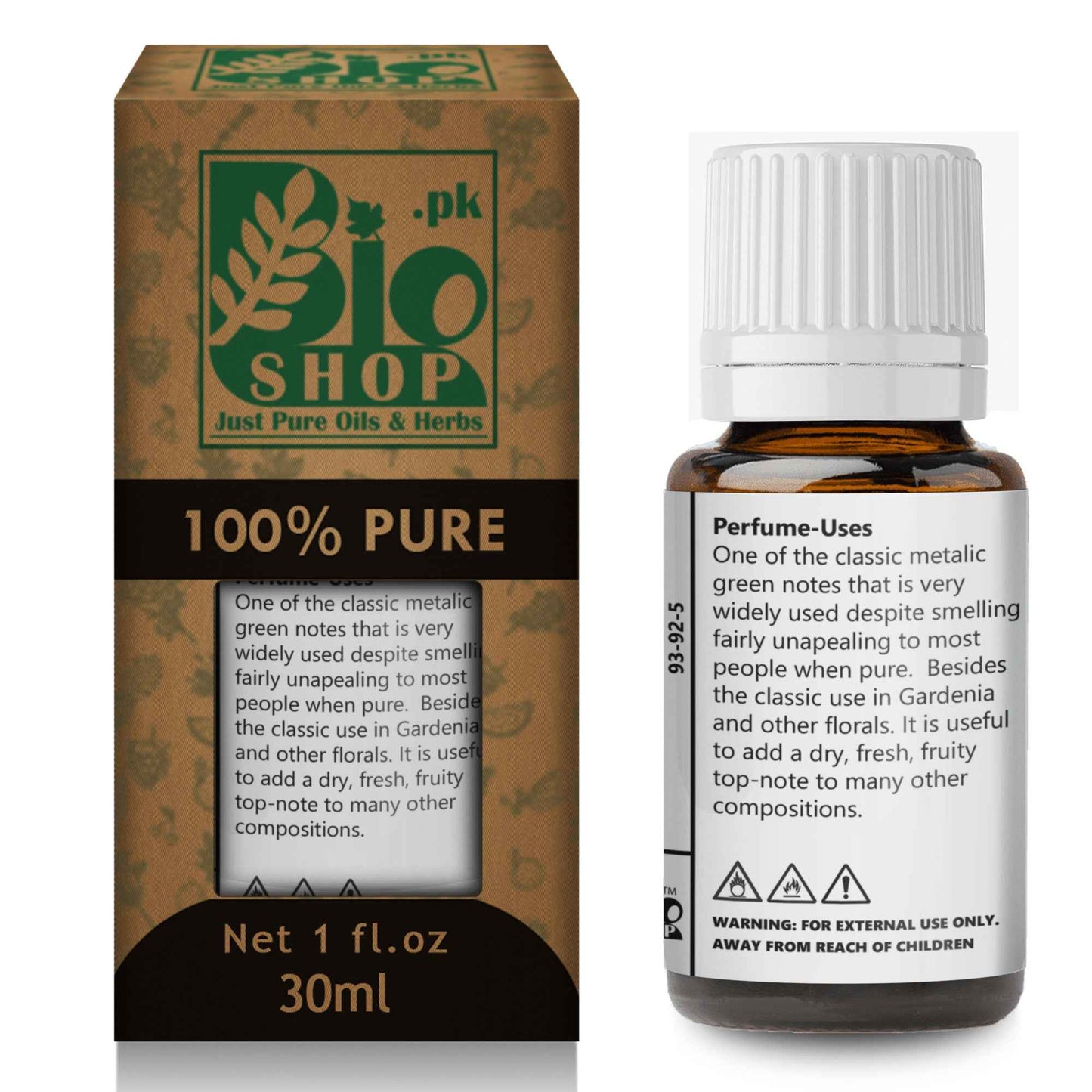
CAS Number : 93-92-5
Synonyms : Styrallyl Acetate, alpha-Methylbenzyl Acetate, 1-Phenethyl Acetate, Methylbenzyl Acetate
Purity : 98%+ (fragrance and cosmetic grade)
Appearance : Colorless to pale yellow clear liquid
Odor Threshold : Approximately 0.05 ppm (very low — highly perceptible at trace levels)
Solubility : Freely miscible in ethanol, IPM, DPG, and most fragrance carriers — insoluble in water
Specific Gravity : 1.026 – 1.032 at 20°C
Flash Point : Approximately 82°C (180°F)
Type : Synthetic (aromatic ester)
Applications & Usage Guidelines
Fine Fragrance ★★★★★
Styrallyl Acetate is a classic fine fragrance ingredient used in floral, chypre, and oriental compositions. It contributes the smooth, natural-rose warmth that bridges top and heart notes. Ideal for EDP and EDT formulas at 1 to 8% depending on the desired intensity.
Attar and Oriental Blending ★★★★★
In attar formulation, Styrallyl Acetate adds a clean, sweet floral lift that enhances rose, jasmine, and muguet-style attars. It pairs beautifully with sandalwood bases, oud accords, and musks, adding a modern softness to traditional oriental structures.
Functional Fragrance ★★★★☆
Well-suited for shampoos, conditioners, body washes, and fabric softeners where a clean floral character is desired. It is stable across a moderate pH range and performs well in rinse-off and leave-on formats at safe use levels.
Cosmetics ★★★★☆
Styrallyl Acetate is used in body lotions, creams, lip products, and powders to impart a delicate floral note. It blends smoothly into emulsion bases without disrupting texture or stability. Suitable for leave-on cosmetic applications within IFRA-recommended limits.
Home Fragrance ★★★★☆
Performs reliably in reed diffusers, wax melts, and incense sticks. It contributes a warm, clean floral presence in the room. In candles, performance is moderate and blending with stronger base notes is recommended for richer throw.
IFRA & Usage Rate
Recommended Usage Rates
EDP (Eau de Parfum) : 3% – 8%
EDT (Eau de Toilette) : 2% – 5%
Body Lotion / Cream : 1% – 3%
Shampoo / Body Wash : 0.5% – 1.5%
Candle : 3% – 6%
Reed Diffuser : 5% – 15%
Bar Soap : 1% – 2%
IFRA 51st Amendment Limits (Key Categories)
Category 1 (Lip products) : 0.5% — verify with current IFRA standard
Category 4 (Fine Fragrance / EDP) : No specific restriction listed — use within safe formulation practice
Category 5a (Body Lotion) : 4% maximum — verify with supplier
Category 9 (Rinse-off Hair) : 3% maximum — verify with supplier
Category 11a (Candles) : No specific restriction — follow general safe use guidance
⚠️ Styrallyl Acetate is not among the most heavily restricted IFRA materials, but always verify the latest IFRA 51st Amendment standard for your specific product category before finalizing formulas. Limits are subject to updates.
⚠️ For professional and commercial use, always cross-reference with your fragrance safety assessor or IFRA member organization guidelines.
Blending Guide
Method 1 — Rose Accord Building
Start with Styrallyl Acetate as the floral body of a rose accord. Combine it with geraniol for the sharp rose edge, citronellol for the softness, and a touch of phenyl ethyl alcohol (PEA) for rosy depth. This three-part rose accord can be used as the heart of floral and chypre fragrances.
Method 2 — Muguet and Green Floral Construction
Use Styrallyl Acetate alongside Lily Aldehyde, hydroxycitronellal, and a trace of violet leaf absolute to construct a soft muguet-style accord. The ester provides the sweet backbone while the other materials add freshness and natural texture.
Method 3 — Oriental Base Lifting
Add 1 to 3% Styrallyl Acetate to heavier oriental or attar bases built on sandalwood, oud, or resinous musks. It acts as a floral brightener, lifting the overall composition and preventing the base from becoming too dense or heavy.
BEST PAIRINGS
Geraniol → Sharpens the rosy character and adds faceting to floral accords
Citronellol → Softens and smooths the rose note with a clean green-floral warmth
Phenyl Ethyl Alcohol → Deepens the rose impression with an aqueous, natural depth
Linalool → Adds fresh lavender-floral lift and rounds out the ester sweetness
Hydroxycitronellal → Creates a soft muguet-lily of the valley style floral pairing
Iso E Super → Adds woody, cedar-like transparency when used as a base modifier
Hedione → Creates a diffusive jasmine-floral radiance and modern freshness
Benzyl Acetate → Complements the fruity-floral ester character with jasmine facets
AVOID
Avoid combining Styrallyl Acetate with strongly alkaline soap bases at high concentrations as ester hydrolysis may reduce odor performance over time. In high-pH formulations, encapsulate or use a stabilizer if longevity is critical.
Perfumer's Note
Working with Styrallyl Acetate has always reminded me of why synthetic esters are the quiet heroes of perfumery. It does not announce itself loudly — instead, it blends into a composition with a naturalness that surprises formulators who are used to more dominant aroma chemicals. When I reach for a rose accord that needs to feel soft and breathable rather than dense and soliflore, Styrallyl Acetate is often the first ester I add to the beaker. Its fruity-floral sweetness reads as natural on skin in a way that many single-molecule rose materials cannot achieve on their own.
ADVANCED TIP
Try replacing a portion of your total floral modifier load with Styrallyl Acetate at 0.5 to 1% in a musk or woody base that you feel is missing a natural warmth. You will find that it does not read as floral at that low dose — instead it adds a skin-like sweetness that makes the entire formula feel more alive and intimate. This technique is particularly effective in skin scent, clean musk, and intimate wear fragrance formats where you want warmth without obvious floral character.
Safety & Storage
Physical State : Clear liquid at room temperature
Skin Safety : May cause mild irritation in sensitive individuals at high concentrations — dilute before skin application, patch test recommended
Eye Contact : Avoid direct eye contact — rinse thoroughly with water if contact occurs, seek medical advice if irritation persists
Ingestion : Not for internal use — keep out of reach of children
Ventilation : Work in a well-ventilated space — avoid prolonged inhalation of concentrated vapor
Storage : Store in a cool, dark place away from heat, direct sunlight, and oxidizing agents — ideal storage temperature 10 to 25°C
Shelf Life : 24 to 36 months when stored properly in sealed containers
Container : Store in original sealed glass or HDPE container — avoid reactive metals
Flammability : Combustible liquid — Flash Point approximately 82°C — keep away from open flame during handling
FAQ
Q: What does Styrallyl Acetate smell like?
A: It smells sweet, rosy, and slightly fruity with a soft powdery quality. It is commonly described as a clean rose-petal note with a gentle green undertone.
Q: Can beginners use Styrallyl Acetate in their first perfume blends?
A: Yes. It is one of the more forgiving floral esters to work with. Start at 1 to 3% in an alcohol base, blend with rose or floral materials, and adjust to preference.
Q: Is Styrallyl Acetate safe for skin-contact products like body lotions?
A: Yes, within recommended usage rates. Use at 1 to 3% in leave-on products and always perform a patch test. Refer to IFRA category 5a limits for leave-on formulations.
Q: Can I use Styrallyl Acetate in soap making?
A: Yes, but use it at conservative levels of 1 to 2%. Esters can partially hydrolyze in high-pH soap bases, which may reduce scent longevity — blending with more stable materials is recommended.
Q: How does Styrallyl Acetate compare to natural rose otto or rose absolute?
A: Rose otto and rose absolute are far more complex, richer, and more expensive. Styrallyl Acetate captures only one facet of the rose — the sweet, fruity-floral ester note. It is best used as a building block within a rose accord rather than as a standalone substitute for natural rose.
Where Can You Safely Use Styrallyl Acetate?
Discover how Styrallyl Acetate performs across different applications—rated for safety, stability, and effectiveness.