Skip to product information
1 of 2

Bio Shop

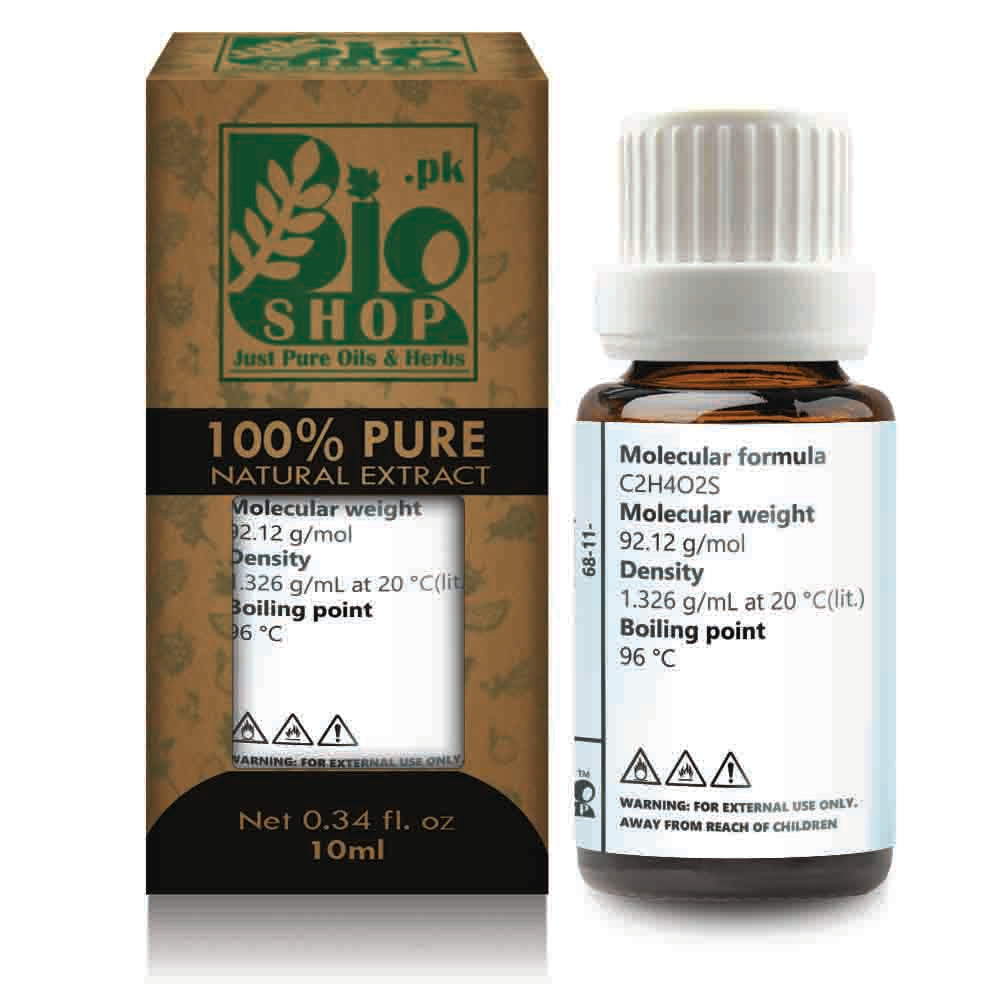
Thioglycolic Acid

Thioglycolic Acid

Regular price Rs.350.00
Regular price Sale price Rs.350.00
Sale Sold out
Shipping calculated at checkout.

Key Functions: Breaks keratin bonds, enables hair removal, facilitates perming and straightening.

Weight
Quantity
🚚 Estimated delivery time:
Learn More About This Ingredient View full details

Explore

Information About Thioglycolic Acid

✅ Key Features

✦ Highly effective keratin bond breaker used as the primary active in depilatory creams and hair removers
✦ Essential component in permanent wave and chemical hair straightening formulations
✦ Works by cleaving disulfide bonds in hair keratin protein at alkaline pH
✦ Regulated cosmetic ingredient with well-documented safe use levels for rinse-off applications
✦ Compatible with common depilatory base ingredients including calcium hydroxide and cetearyl alcohol
✦ Supplied as a clear to slightly yellow liquid with characteristic strong sulfur odor
✦ Synthetic origin with decades of proven use in professional salon and consumer hair treatment products

🔬 Description

Thioglycolic Acid, chemically known as Mercaptoacetic Acid, is a sulfur-containing organic compound that has been a cornerstone of the depilatory and hair waving industry since the mid-20th century. First synthesized in the 1800s, it gained widespread cosmetic application in the 1940s when its ability to break down hair keratin was harnessed for consumer hair removal products and permanent wave solutions. Today it remains the most widely used active ingredient in chemical depilatories worldwide.

What makes Thioglycolic Acid uniquely effective is its thiol functional group, which targets and cleaves the disulfide bonds holding keratin protein chains together. In depilatory formulations, this bond-breaking action weakens hair at the skin surface so it can be wiped away without shaving. In perming and straightening products, the same mechanism allows hair to be reshaped into a new configuration when followed by an oxidizing neutralizer that reforms the bonds in the desired pattern.

Bio Shop Pakistan supplies cosmetic-grade Thioglycolic Acid suitable for professional cosmetic chemists, salon product manufacturers, depilatory formulators, and hair treatment developers.

📊 Technical Data

INCI Name : Thioglycolic Acid
Chemical Name : Mercaptoacetic Acid (2-Mercaptoacetic Acid)
CAS Number : 68-11-1
Molecular Formula : C2H4O2S
Appearance : Clear to slightly yellow liquid
Odor : Strong, characteristic sulfur-like odor
pH (1% solution) : Approximately 2.0 to 3.0 (acidic; used in alkaline formulations at pH 7 to 12.7)
Solubility : Miscible with water, soluble in ethanol and ether
Specific Gravity : 1.32 to 1.33 at 20°C
Flash Point : 126°C (259°F)
HLB Value : Not Applicable
Recommended Use Level : Up to 5.0% as Thioglycolic Acid in depilatory products (EU); up to 8.0% in hair wave/straightening with professional limits up to 11.0%
Type : Synthetic organic acid (thiol compound)
Shelf Life : 12 to 24 months when stored sealed, away from air and light

🧪 Recommended Usage

Depilatory Products (Hair Removal Creams, Lotions) ★★★★★
Thioglycolic Acid is the gold-standard active in depilatory formulations, delivering effective hair dissolution at the skin surface. Use at permitted concentrations with an alkaline base system such as calcium hydroxide to achieve the required pH range of 7.0 to 12.7.

Hair Waving and Perming (Permanent Wave Solutions) ★★★★★
This is the primary reducing agent in cold wave and acid perm solutions that reshape hair structure. Formulate at 8.0 to 11.0% (as acid) depending on consumer or professional designation, and always pair with an oxidizing neutralizer step.

Hair Straightening (Chemical Relaxers, Keratin Treatments) ★★★★☆
Thioglycolic Acid-based straighteners offer a thiol alternative to hydroxide relaxers with a gentler mechanism. Careful pH control and timing are essential to avoid over-processing fine or damaged hair.

Nail Care (Cuticle Removers) ★★★☆☆
At low concentrations, Thioglycolic Acid softens and loosens cuticle tissue for easier removal. Use at or below 5.0% with appropriate pH buffering and short contact time.

Professional Salon Products (Specialty Treatments) ★★★★☆
Salon-grade formulations can use higher permitted concentrations under professional supervision. Always include clear usage instructions, timing guidelines, and post-treatment neutralization protocols.

💡 Pro Tip

In my experience formulating depilatory creams, the performance of Thioglycolic Acid depends far more on your final product pH and contact time than on simply maximizing the acid concentration. I always build the alkaline base first using calcium hydroxide and a stable cream matrix, then add Thioglycolic Acid at the final stage to minimize premature oxidation. Keeping the finished product pH between 11.5 and 12.5 gives the best balance of efficacy and skin tolerability for body depilatory applications, while facial formulations should target a slightly lower pH near 10.0 to 11.0 with reduced contact time.

ADVANCED TIP: Pre-blend Thioglycolic Acid with a small portion of your water phase and adjust to target pH before incorporating into the emulsion base. Add 0.1 to 0.3% sodium metabisulfite as an antioxidant to prevent premature oxidation of the thiol group, and always package in airless or nitrogen-purged containers to maintain potency throughout shelf life.

👩‍🔬 Skin Type Suitability

Normal Skin : ★★★★☆ — Well tolerated in depilatory use at approved levels with proper contact time limits
Dry Skin : ★★★☆☆ — May cause additional dryness; follow with a rich moisturizer after depilatory use
Oily Skin : ★★★★☆ — Generally well tolerated; oilier skin provides some natural barrier protection
Combination : ★★★★☆ — Suitable with standard precautions; patch test recommended before facial use
Sensitive Skin : ★★☆☆☆ — Higher risk of irritation; reduce contact time and use lower concentrations
Mature Skin : ★★★☆☆ — Thinner mature skin is more vulnerable; use with caution and shorter exposure
Acne-Prone : ★★☆☆☆ — May aggravate inflamed or broken skin; avoid application over active breakouts

🧴 Formulation Ideas

CONCEPT 1: Gentle Body Depilatory Cream
Usage Level : 4.5% (as Thioglycolic Acid)
Key Ingredients: Calcium Hydroxide, Cetearyl Alcohol, Mineral Oil, Aloe Vera Extract
Result : A smooth, spreadable hair removal cream that dissolves body hair in 5 to 8 minutes while the aloe vera and mineral oil help soothe and protect surrounding skin.

CONCEPT 2: Professional Cold Wave Perm Solution
Usage Level : 9.0% (as Thioglycolic Acid, professional use)
Key Ingredients: Ammonium Hydroxide (pH adjuster), Propylene Glycol, EDTA, Hydrolyzed Keratin
Result : A salon-grade permanent wave solution that restructures hair curl pattern with controlled processing and built-in conditioning from hydrolyzed keratin.

CONCEPT 3: Express Facial Depilatory Lotion
Usage Level : 3.0% (as Thioglycolic Acid)
Key Ingredients: Calcium Hydroxide, Glycerin, Chamomile Extract, Dimethicone
Result : A lower-strength facial hair removal lotion designed for 3 to 5 minute application on upper lip and chin areas with soothing and skin-smoothing post-treatment feel.

💧 Safety and Regulatory:

INCI Declared : Yes — must be declared on product label at any concentration
EU Cosmetics Reg : Restricted — Annex III/1 limits apply based on product type and professional use
Rinse-Off Limit : Up to 5.0% as Thioglycolic Acid in general depilatory products (pH up to 12.7); up to 8.0% in hair waving consumer products; up to 11.0% in professional hair waving products
Leave-On Limit : Not permitted as a leave-on product in most regulatory frameworks
Allergen Alert : Yes — known skin sensitizer; mandatory patch testing recommended on product labeling
Skin Safety : Safe at regulated levels with proper pH and contact time; patch test advised 24 hours before first use
Eye Area Use : Avoid — strong irritant to eyes and surrounding delicate skin
Ingestion : Not for internal use — toxic if swallowed
Pregnancy Use : Consult physician — limited safety data for use during pregnancy
Child Safety : Avoid use on children under 16 unless directed by a physician
Ventilation : Required — strong sulfur odor and potential for respiratory irritation during formulation
Storage : Cool dry place, tightly sealed, away from light and air; nitrogen blanket recommended
Container : HDPE or glass with airtight seal — avoid reactive metals and prolonged air exposure

⚠️ WARNING: Thioglycolic Acid is a strong skin and eye irritant and a known sensitizer. Always wear gloves and eye protection when handling the raw material. Finished products must include mandatory warnings, patch test instructions, and strict contact time limits as required by EU Annex III and local regulations. Do not exceed permitted concentration limits.

Stability and Compatibility

Working pH Range : 7.0 to 12.7 in finished depilatory and hair waving products (raw acid pH approximately 2 to 3)
Heat Stability : Stable during normal processing; avoid prolonged heating above 40°C as thiol group may oxidize
Freeze-Thaw Stable : Yes — the raw acid is stable; finished formulation stability depends on emulsion base
Emulsion Type : O/W or W/O depending on formulation design; most depilatories are O/W
Emulsification Phase: Add to cooled or room temperature phase after emulsion is formed to protect thiol activity
Compatible With : Calcium hydroxide, cetearyl alcohol, mineral oil, glycerin, propylene glycol
Incompatible With : Strong oxidizers (hydrogen peroxide, sodium bromate) unless used as intentional neutralizer step; heavy metal salts which catalyze decomposition; highly acidic systems below pH 7 reduce efficacy in depilatory use
Oxidation Risk : High — thiol group readily oxidizes to dithiodiglycolic acid on air exposure; add 0.1 to 0.3% sodium metabisulfite and use nitrogen-purged packaging
Discoloration Risk : Possible — may yellow over time especially with air exposure or in the presence of trace metals; EDTA chelation helps
Formulation Notes : Always add Thioglycolic Acid as the last step in formulation to minimize air exposure time. Purge headspace with nitrogen before sealing and include EDTA at 0.1% to chelate trace metals that accelerate degradation.

❓ FAQs

Q: What does Thioglycolic Acid actually do in a hair removal cream?
A: It breaks the disulfide bonds in hair keratin protein, weakening the hair shaft at the skin surface so it dissolves and can be wiped away. This chemical process works below the skin line, which is why depilatory results often last slightly longer than shaving.

Q: Why does my depilatory cream have such a strong smell?
A: The sulfur-containing thiol group in Thioglycolic Acid produces the characteristic strong odor associated with hair removal creams. Adding fragrance can partially mask the smell, but the odor is inherent to the active chemistry and indicates the ingredient is working.

Q: What pH should my depilatory formulation target?
A: Most body depilatory creams work best between pH 11.5 and 12.5, where Thioglycolic Acid is most effective at breaking keratin bonds. Facial depilatories should target pH 10.0 to 11.0 with shorter contact times to reduce irritation risk on more sensitive skin.

Q: Can I use Thioglycolic Acid in leave-on skincare products?
A: No. Thioglycolic Acid is only permitted in rinse-off or timed-contact products such as depilatories and hair waving solutions. It is too irritating for leave-on application and regulatory frameworks do not permit leave-on cosmetic use.

Q: How does Thioglycolic Acid compare to Calcium Thioglycolate in depilatory products?
A: Both share the same active thiol mechanism, but Calcium Thioglycolate is the calcium salt form, which is a powder and easier to formulate into stable cream bases. Thioglycolic Acid in liquid form gives more precise pH control but requires careful handling. Many commercial depilatories use Calcium Thioglycolate for convenience, while Thioglycolic Acid is preferred when exact concentration and pH adjustments are needed.

Where Can You Safely Use Thioglycolic Acid

Discover how Thioglycolic Acid performs across different products — rated for safety, stability, and effectiveness.

Skincare
Serums
0
Not Recommended
Creams & Lotions
0
Not Recommended
Eye Creams
0
Not Recommended
Face Masks
2
Stability Issues
Cleansers
0
Not Recommended
Toners
0
Not Recommended
Lip Balms
0
Not Recommended
Ointments
0
Not Recommended
Body & Hair Care
Body Butters
0
Not Recommended
Shampoos
3
Discoloration
Conditioners
2
Stability Issues
Hair Masks
3
Discoloration
Soap & Specialty
Soaps
0
Not Recommended
Deodorants
0
Not Recommended