Skip to product information
1 of 2

Bio Shop

Lactic Acid

Lactic Acid

Regular price Rs.190.00
Regular price Sale price Rs.190.00
Sale Sold out
Shipping calculated at checkout.

Key Functions: Gently exfoliates skin, brightens complexion, boosts hydration, and adjusts product pH.

Weight
Quantity
🚚 Estimated delivery time:
Learn More About This Ingredient View full details

Explore

Information About Lactic Acid

✅ Key Features

✦ One of the gentlest alpha hydroxy acids, ideal for sensitive and beginner-friendly exfoliation formulations.
✦ Dual-action ingredient that exfoliates dead skin cells while attracting moisture to the skin surface.
✦ Clinically proven to reduce hyperpigmentation, dark spots, and uneven skin tone with consistent use.
✦ Effective pH adjuster used in cosmetic manufacturing to bring formulations into their optimal acid range.
✦ Suitable for serums, chemical peels, toners, lotions, body exfoliants, and professional resurfacing treatments.
✦ Naturally derived from fermentation of sugars, making it suitable for vegan and naturally sourced product lines.
✦ Larger molecular size than glycolic acid means slower penetration and reduced risk of irritation.

🔬 Description

Lactic Acid is an alpha hydroxy acid originally discovered in sour milk by Swedish chemist Carl Wilhelm Scheele in 1780. It has been used in skincare for centuries, most famously associated with Cleopatra's legendary milk baths. In modern cosmetics, it is produced through bacterial fermentation of carbohydrates and is one of the most widely studied and trusted chemical exfoliants in dermatological science.

What makes Lactic Acid unique among AHAs is its dual functionality as both an exfoliant and a humectant. Its larger molecular weight compared to glycolic acid results in slower, more even penetration into the stratum corneum, which reduces the stinging and irritation commonly associated with acid treatments. This makes it the AHA of choice for formulations targeting sensitive skin, melanin-rich skin tones prone to post-inflammatory hyperpigmentation, and consumers new to chemical exfoliation.

Bio Shop Pakistan supplies cosmetic-grade Lactic Acid suitable for DIY skincare formulators, independent beauty brands, professional cosmetic chemists, and estheticians.

📊 Technical Data

INCI Name : Lactic Acid
Chemical Name : 2-Hydroxypropanoic Acid
CAS Number : 50-21-5
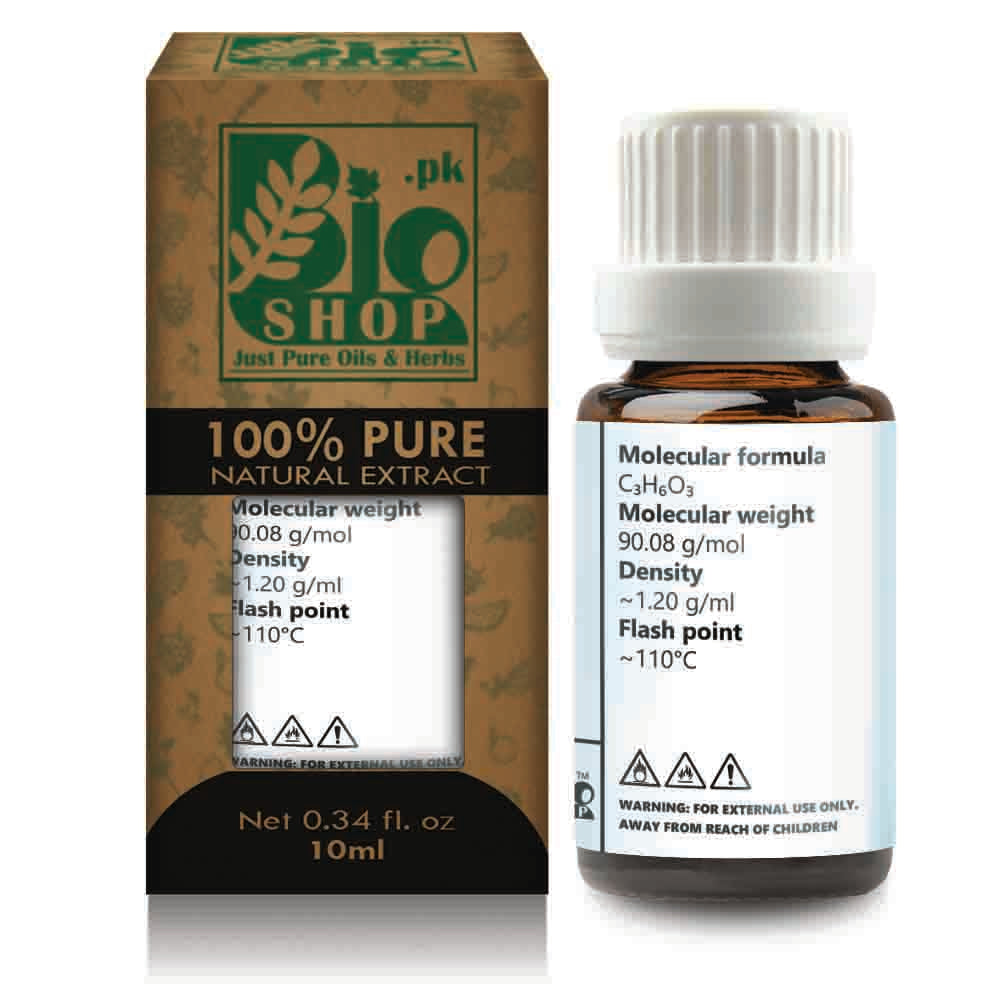
Molecular Formula : C3H6O3
Molecular Weight : 90.08 g/mol
Appearance : Clear to slightly yellow viscous liquid
Odor : Mild, slightly acidic
pH (1% solution) : 2.0 – 3.0
Solubility : Fully miscible in water, ethanol, and glycerin
Specific Gravity : 1.20 – 1.21 (for 88% solution)
Flash Point : Not Applicable (aqueous solution)
HLB Value : Not Applicable
Recommended Use Level : 1% – 10% (cosmetic); up to 30% for professional peels
Type : Alpha Hydroxy Acid / Chemical Exfoliant / pH Adjuster
Shelf Life : 24 months when stored properly

🧪 Recommended Usage

Skincare (Serums, Peels, Toners)
★★★★★
Lactic Acid is a cornerstone active in exfoliating serums, resurfacing toners, and professional chemical peels. Use at 5% to 10% in leave-on serums at pH 3.5 to 4.0, or up to 30% in short-contact professional peel formulations.

Body Care (Exfoliants, Lotions, Brightening Treatments)
★★★★★
Excellent for body lotions targeting keratosis pilaris, rough elbows, and dull skin on arms and legs. Incorporate at 5% to 12% in body lotions and pair with emollients like shea butter to offset any dryness.

Haircare (Scalp Treatments, Rinses)
★★★☆☆
Can be used in low concentrations for scalp exfoliation to reduce flakiness and product buildup. Use at 1% to 3% in rinse-off scalp treatments and always buffer the pH to avoid irritation.

Functional Cosmetics (Intimate Wash, Foot Care)
★★★★☆
Well suited for pH-balanced intimate hygiene products and foot peels that require controlled exfoliation. Use at 2% to 5% for daily-use washes and up to 15% for weekly intensive foot treatments.

pH Adjustment (Creams, Lotions, Gels)
★★★★★
One of the most common cosmetic-grade pH adjusters for bringing alkaline formulations into the acidic range. Add dropwise using a 10% dilution to avoid overshooting the target pH.

💡 Pro Tip

In my formulation work, I consider Lactic Acid the most forgiving AHA for consumer-facing products because its larger molecular size delivers visible results with a significantly lower irritation profile than glycolic acid. I routinely choose it as the primary active in products designed for first-time acid users, mature skin formulations where the barrier is already compromised, and any product line targeting South Asian and darker skin tones where minimizing post-inflammatory hyperpigmentation risk is critical.

ADVANCED TIP: When formulating a Lactic Acid serum, always prepare your acid phase separately by diluting the Lactic Acid in water first, then add it to the final formulation and adjust pH to 3.5 to 3.8 using sodium hydroxide (10% solution) or triethanolamine. Free acid availability — not total concentration — determines efficacy, so always measure final pH with a calibrated meter rather than pH strips. For a 10% Lactic Acid serum buffered to pH 3.8, approximately 45% of the acid remains in its free, active form.

👩‍🔬 Skin Type Suitability

Normal Skin : ★★★★★ — Delivers consistent brightening and textural improvement without irritation.
Dry Skin : ★★★★★ — Humectant properties attract moisture while exfoliating flaky surface layers.
Oily Skin : ★★★★☆ — Effective exfoliant that helps decongest pores, though not as penetrating as salicylic acid.
Combination : ★★★★☆ — Works well across both oily and dry zones when used at moderate concentrations.
Sensitive Skin : ★★★★☆ — Gentler than glycolic acid but still requires gradual introduction and buffered pH.
Mature Skin : ★★★★★ — Stimulates ceramide production and improves skin texture, ideal for aging concerns.
Acne-Prone : ★★★☆☆ — Provides surface exfoliation but does not penetrate into pores as effectively as BHAs.

🧴 Formulation Ideas

CONCEPT 1: Radiance Revival Exfoliating Serum
Usage Level : 10%
Key Ingredients: Lactic Acid → Niacinamide → Hyaluronic Acid → Panthenol
Result : A gentle daily-use brightening serum that exfoliates, reduces dark spots, and keeps skin hydrated without irritation.

CONCEPT 2: Smooth Skin AHA Body Lotion
Usage Level : 8%
Key Ingredients: Lactic Acid → Shea Butter → Cetearyl Alcohol → Allantoin
Result : A rich body lotion that smooths rough and bumpy skin, particularly effective for keratosis pilaris on arms and legs.

CONCEPT 3: Professional Brightening Peel
Usage Level : 25%
Key Ingredients: Lactic Acid → Kojic Acid Dipalmitate → Sodium Lactate → Aloe Vera Extract
Result : A short-contact professional peel that targets stubborn hyperpigmentation and delivers visible resurfacing in a controlled clinical setting.

💧 Safety and Regulatory:

INCI Declared : Yes — required in all cosmetic products
EU Cosmetics Reg : Permitted — Annex III restricts concentration and pH for consumer products
Rinse-Off Limit : 2.5% free acid at pH 2.5 or above (EU consumer products)
Leave-On Limit : 2.5% free acid at pH 2.5 or above (EU consumer products); professional peels up to 30% permitted
Allergen Alert : No — not a classified allergen, but can cause irritation at high concentrations or low pH
Skin Safety : Safe at recommended levels when pH is properly buffered; patch test advised for sensitive individuals
Eye Area Use : Avoid — direct application near eyes can cause stinging and irritation
Ingestion : Not for internal use
Pregnancy Use : Consult physician — low concentrations generally considered safe but professional peels should be avoided
Child Safety : Avoid on children under 12; use only heavily buffered formulations on adolescent skin
Ventilation : Not required
Storage : Cool dry place, tightly sealed; protect from extreme heat
Container : HDPE or glass; avoid contact with reactive metals

⚠️ Lactic Acid formulations below pH 3.0 can cause chemical burns if left on skin for extended periods. Always include usage instructions and consider pairing with soothing agents like allantoin or panthenol in consumer products.

Stability and Compatibility

Working pH Range : 2.5 – 4.5 (active exfoliation range: 3.0 – 4.0)
Heat Stability : Stable up to 80°C; can be added to hot or cold phase
Freeze-Thaw Stable : Yes
Emulsion Type : Not applicable — water-soluble active
Emulsification Phase: Water phase
Compatible With : Niacinamide (at buffered pH above 3.5), hyaluronic acid, glycerin, panthenol, allantoin, sodium lactate
Incompatible With : Strong bases at high concentration, soap-based systems (neutralizes acid), oxidizing agents, L-ascorbic acid at very low pH (competition for efficacy)
Oxidation Risk : Low — not prone to oxidation
Discoloration Risk : None under normal storage and formulation conditions
Formulation Notes : Always add Lactic Acid to the water phase and adjust pH last. When combining with Niacinamide, maintain final pH above 3.5 to prevent niacinamide hydrolysis to niacin, which can cause flushing.

❓ FAQs

Q: What concentration of Lactic Acid should a beginner start with?
A: Start with 5% Lactic Acid at a pH between 3.5 and 4.0, used two to three times per week. Once your skin adjusts over two to four weeks, you can gradually increase to 10% for enhanced brightening and exfoliation.

Q: Can I use Lactic Acid with Vitamin C in the same formulation?
A: It is possible but requires careful pH management. Both ingredients prefer acidic environments, but combining them can increase irritation risk. For consumer products, it is safer to recommend alternating their use rather than combining them.

Q: How do I adjust the pH of my Lactic Acid serum?
A: Prepare a 10% sodium hydroxide or triethanolamine solution and add it dropwise to your finished formulation while measuring pH with a calibrated meter. Target pH 3.5 to 3.8 for optimal balance between efficacy and tolerability.

Q: Is Lactic Acid safe for dark skin tones?
A: Yes, Lactic Acid is one of the safest AHAs for melanin-rich skin because its larger molecular size causes less irritation and therefore lower risk of post-inflammatory hyperpigmentation. It is widely recommended by dermatologists for Fitzpatrick skin types IV through VI.

Q: How does Lactic Acid compare to Glycolic Acid?
A: Lactic Acid has a larger molecular weight than Glycolic Acid, which means it penetrates more slowly and causes less irritation. Glycolic Acid is more aggressive and effective for deep exfoliation on resilient skin, while Lactic Acid offers gentler exfoliation with added humectant benefits, making it better suited for sensitive, dry, or darker skin types.

Where Can You Safely Use Lactic Acid

Discover how Lactic Acid performs across different products — rated for safety, stability, and effectiveness.

Skincare
Serums
9
Very Good
Creams & Lotions
8
Good
Eye Creams
3
Discoloration
Face Masks
8
Good
Cleansers
7
Reasonable
Toners
9
Very Good
Lip Balms
2
Stability Issues
Ointments
5
Mediocre
Body & Hair Care
Body Butters
7
Reasonable
Shampoos
5
Mediocre
Conditioners
4
Slight Issues
Hair Masks
4
Slight Issues
Soap & Specialty
Soaps
2
Stability Issues
Deodorants
3
Discoloration